
How to Design a Kitchen With Aluminum Cabinet Doors That Will Last for Years
How aluminum cabinet doors, durable cabinetry and repairable kitchen components can help create a kitchen that lasts for years without repeated renovation waste.
sustainability • ethics • climate • waste • renewables • ecology • poverty • equality
A sustainable kitchen reduces food, energy, water and packaging waste while supporting safe, practical cooking. High-impact steps include planning meals, storing food correctly, using leftovers, composting suitable scraps, choosing durable cookware and matching appliance upgrades to actual need and local energy sources.
In the Kitchen section, food becomes a way to engage with sustainability on a daily basis. We explore seasonal eating, reducing food waste, low-impact cooking methods, ethical sourcing, and cultural food traditions that carry environmental wisdom.
These articles highlight how mindful choices — from ingredients to preparation — can nourish both people and the planet.
How aluminum cabinet doors, durable cabinetry and repairable kitchen components can help create a kitchen that lasts for years without repeated renovation waste.

As El Niño tests food and water systems, landfill methane and the way we process food waste reveal another part of the climate-resilience challenge.

Build a better cookout plate with low-waste sides that balance smoky mains, stay food-safe and turn leftovers into meals worth eating.

Reuse food scraps for sustainable eating By Cora Gold, Editor-in-Chief of Revivalist Food scraps can feel like an unavoidable part of cooking. You chop vegetables for dinner, peel fruit for a snack, trim herbs for a recipe, and before long, you’re left with a pile of carrot peels, onion skins, fruit seeds and celery ends. For … Read more

This guide offers a simple approach for Australian home hosts so less food ends up in the bin.

From citrus waste to single-use barware and straws, here’s how to make cocktails more sustainable without draining the pleasure from the glass.

Sustainable seafood refers to fish or shellfish caught using methods that minimize environmental damage and preserve the health of marine ecosystems.

Real kitchen sustainability is less about showroom trends than about materials, energy, water, and the food we either use well or throw away.

Whether you want to make your daily-use belongings greener or redesign the space, your minimalist kitchen will soon embody your values more than ever before.

Designing a kitchen? Don’t start with colors or cabinet styles. Material choices determine how your kitchen will look, feel, and function for years to come. Learn why prioritizing durability is the key to a space that ages gracefully.

Looking for coffee tested for mycotoxins? Learn how drying, storage, and traceability reduce mold risk—and how brands verify purity beyond marketing.

Sustainable kitchen remodeling is changing the way homeowners approach design, materials and technology. Let’s take a closer look.

A practical guide to spotting genuinely sustainable luxury—durability, repairability, sourcing, and claims—without falling for greenwashing.

This article explores different types of churns that suit both beginners and experienced makers, from simple hand-crank designs to efficient electric models.

How 3D printed food may be the future’s answer to food insecurity, balanced nutrition, and more. By Mia Barnes, Founder and Editor-in-Chief of Body+Mind Magazine. Technology continues shaping nearly every aspect of life, including nutrition. 3D-printed food isone of the most intriguing innovations in food tech today. What started as a niche experimentcould soon be a viable … Read more

Upgrade your foundation by switching to premium wood-fired pizza bases. These artisanal, stone-baked crusts aren’t just trendy, they’re game-changers.

A practical Denver guide to lower-tox, lower-waste kitchen cabinets: materials, VOCs, certifications, questions to ask, and how to handle old cabinets responsibly.

A Southern table can carry weight, but a relaxed and familiar menu still delivers the right kind of comfort, especially when each bite feels rooted and real.

Clean your dishwasher safely in eight steps. Learn how to wash the filter, clear spray arms, remove odours and avoid damaging mistakes.

With just a little patience and the right materials, creating custom silicone molds opens the door to endless possibilities for crafting and DIY projects.

Cut costs and boost cooking efficiency with smart frying solutions. Learn how to optimize cooking time and oil usage for better quality and savings.

Sustainability includes using our kitchen waste to either propagate new plants and/or sustain our gardens and our homes. Let’s dig in to the details!

Both the line cook and the prep cook have critical roles in the kitchen’s hierarchy. In today’s article, we’ll explore the differences. Let’s get to it.
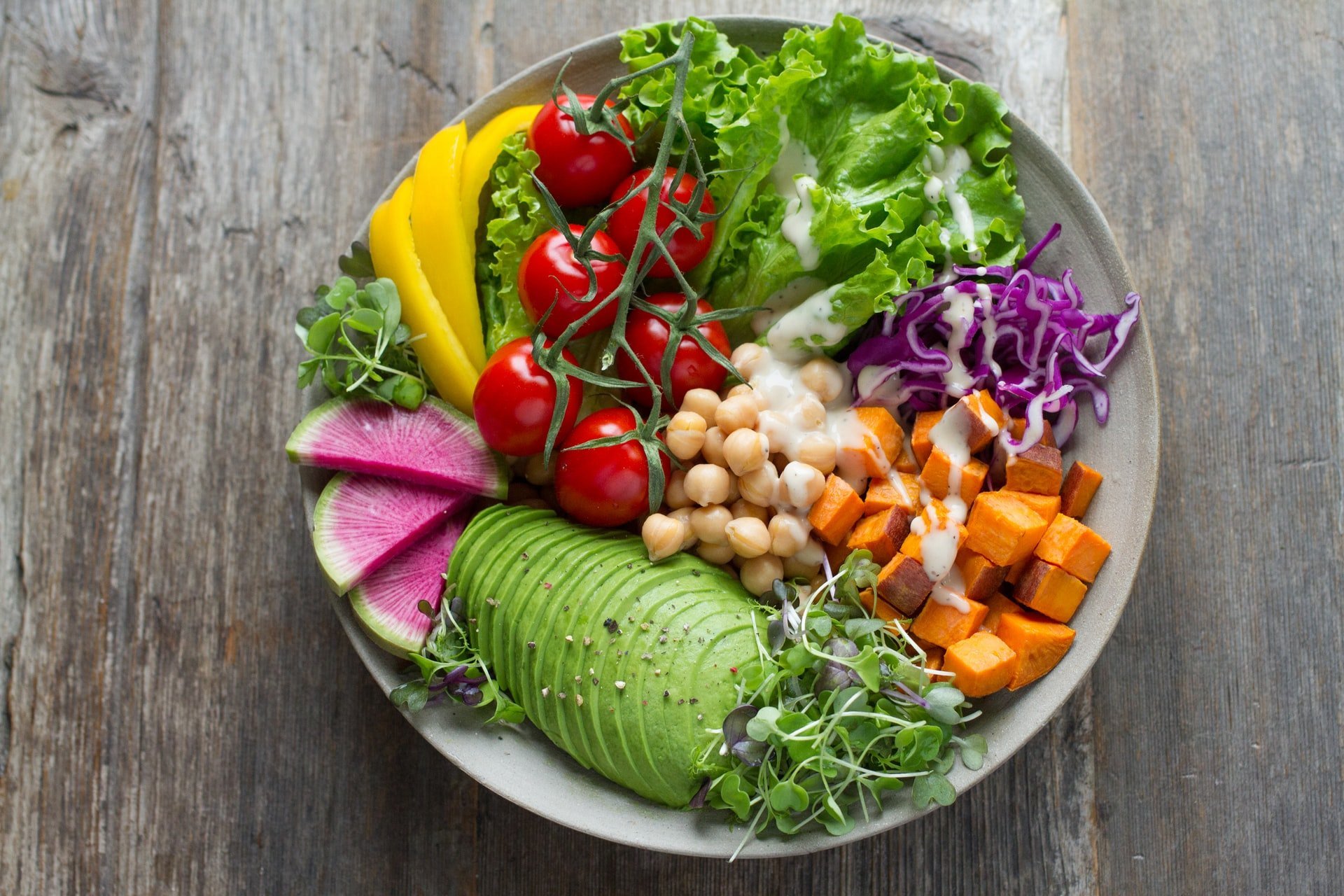
An Overview of The Plant-Based Diet and Mental Health: Let’s examine the nutrients that power our minds and where to find them.
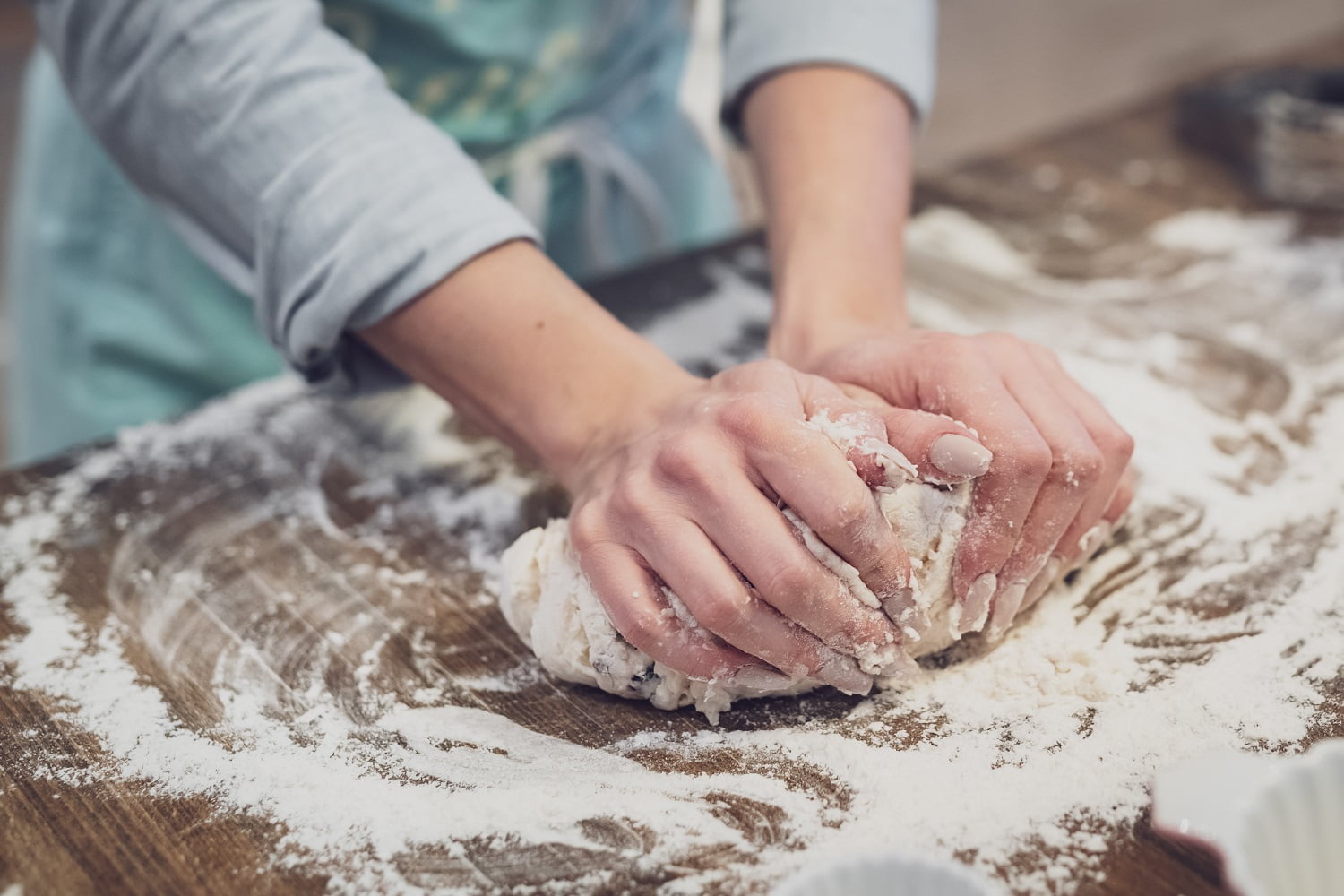
Let’s dive into some of the ways that you can reduce your carbon footprint, and potentially save yourself some money, by creating an eco-friendly kitchen.

Food waste is something that should concern us all, as it contributes in no small way to both global food insecurity and global carbon emissions. Fortunately, it’s something we can all do our part to address.

It also means losing the cost of food preparation, the money you pay staff, and the cost of packaging; so, here’s a chef’s guide to preventing food waste.

Interested in improving your food habits, while also saving money? We explore how to reduce food waste and overbuying by embracing minimalist eating.

Remodeling the heart of your home is a great way to make it a more eco-friendly kitchen. Here are some ideas to get you started.

A review of Fire Dept. Coffee, a great gift for yourself, or the coffee lovers in your life, and for those who support first responders and firefighters.

Discover the secret ingredient that’s been Ruining your Nana’s Recipe – An examination into why we should all be using non-toxic cookware for every meal.
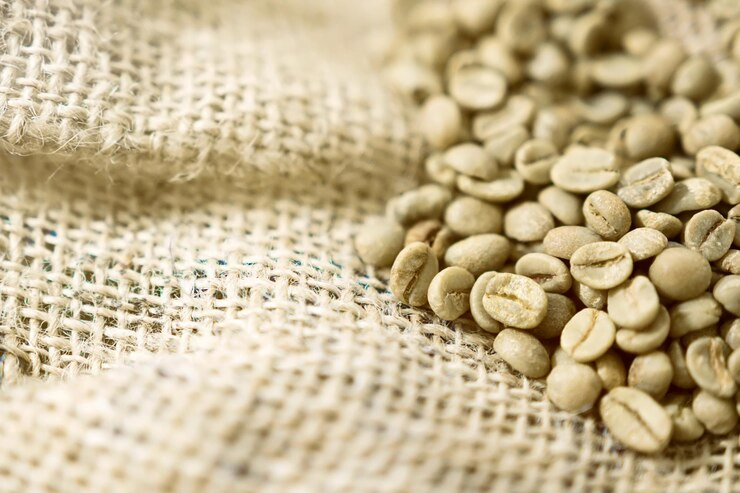
Outside of harvesting, picking, and plucking – one must also have a solution to store green coffee beans as it will help enhance the aroma and final taste.

I love homemade garlic bread, and you’ll love it too if you try it. Garlic bread made with gluten free ingredients is the best side dish ever.

Eating sustainably means choosing food that’s good for the planet. But the thing is, food that’s good for the planet is also inherently good for your body.

Meal delivery kits are incredibly convenient for busy people. But are they bad for the planet? Or are they a greener option than trips to the supermarket?
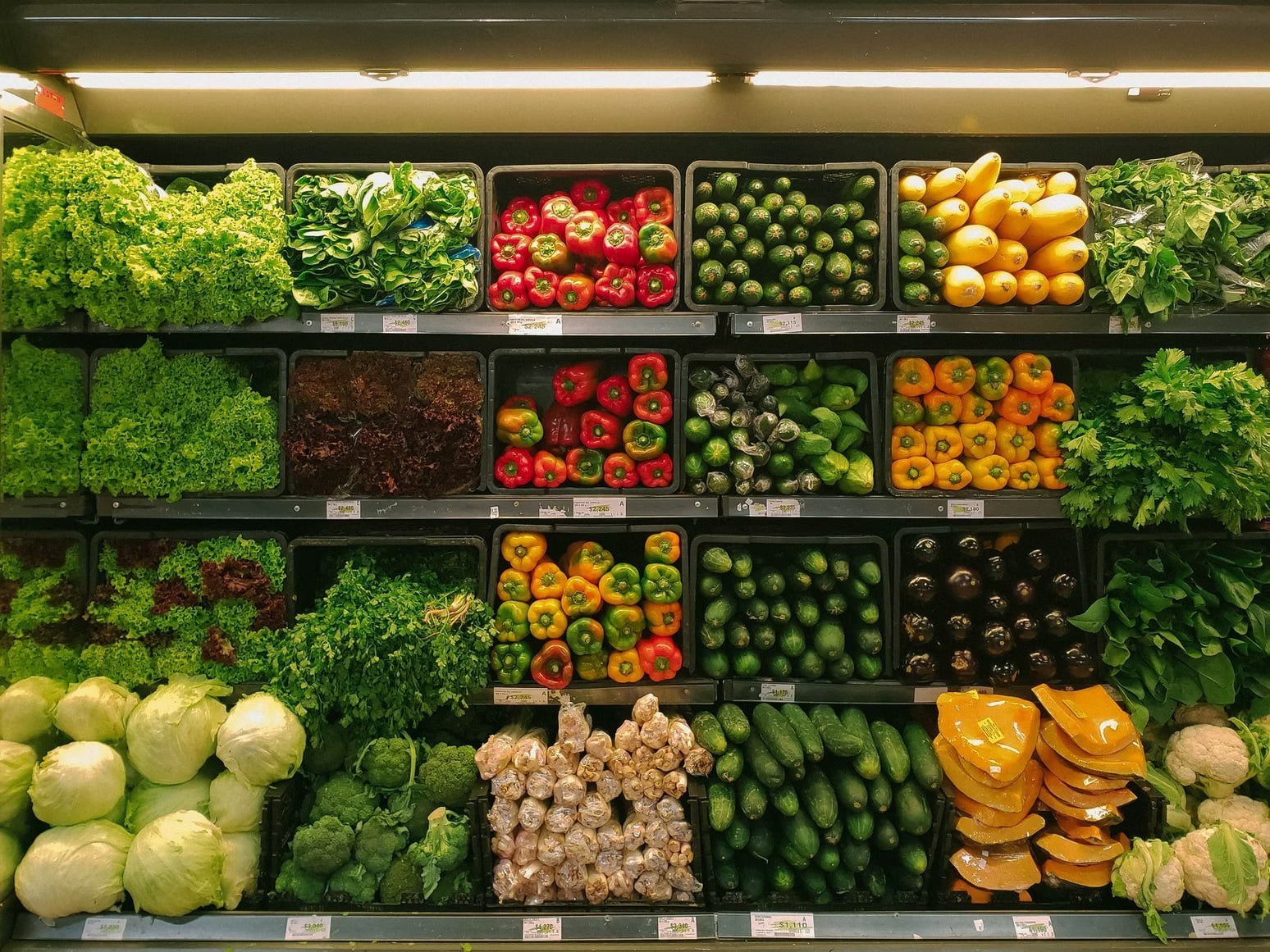
Food waste is a serious issue that can produce devastating environmental impacts. Here are some apps that might help.