Although appealing, the idea of creating a more sustainable wardrobe is also quite daunting for many individuals. It’s easy to think that switching to ethical fashion means you will have to spend more money on clothes, limit your options when it comes to trends, and stop wearing your favorite fashion brands.
Editor’s note: I’d be careful not to turn a more eco-conscious wardrobe into another shopping project. The most sustainable wardrobe is not necessarily the one with the most ethical labels, the most linen, or the neatest capsule collection. It is usually the one where clothes are worn often, repaired when possible, bought with real gaps in mind, and kept in circulation for longer. Before asking “what sustainable item should I buy next?”, it may be more useful to ask “what do I already own, what do I actually wear, and what keeps getting wasted?”
Use a Wardrobe Audit Before Buying Anything New
One of the most practical ways to make a wardrobe more eco-conscious is to stop guessing. Many people buy clothes because they feel they have “nothing to wear,” when the real problem is that their wardrobe is disorganised, unbalanced, uncomfortable, or full of items that do not suit their actual life.
A simple wardrobe audit can make those patterns visible. Start by taking everything out, or at least working through one category at a time: tops, trousers, dresses, jackets, shoes, activewear, occasionwear, and accessories. Then sort items into four groups:
Keep and wear often.
Repair, alter, clean, or refresh.
Resell, donate, swap, or pass on responsibly.
Recycle only if the item is genuinely beyond use.
The important part is not creating a perfect minimalist wardrobe. It is learning where waste is already happening. You might discover that you keep buying similar black tops, but rarely wear them because the fabric clings. You may own several “nice” pieces that never leave the cupboard because they need tailoring. You might have shoes that would last for years with a small repair, or jeans that are nearly perfect except for the hem.
This is where sustainability becomes practical. A repair can prevent a replacement. A tailor can make an ignored item wearable. A cobbler can extend the life of shoes that would otherwise be thrown away. Even a small habit, such as keeping a visible repair pile instead of hiding damaged clothes at the back of the wardrobe, can change what you buy next.
It also helps to track cost-per-wear. A cheap item worn twice may be more wasteful, and more expensive in practice, than a higher-quality item worn every week for years. Before buying something new, ask where it will fit into your real routine. Can you wear it with at least three things you already own? Does it work for your climate, body, laundry habits, and daily life? Does it fill a real gap, or is it just a more “sustainable” version of an impulse purchase?
Second-hand shopping deserves the same discipline. Buying pre-loved clothes is usually better than buying new, but it can still become overconsumption if it encourages constant hauls, novelty, and disposal. The goal is not to own more because each item feels less guilty. The goal is to buy fewer pieces that will actually be used.
When an item no longer works for you, think about its next life before throwing it away. High-quality pieces in good condition may be suitable for resale, swaps, or donation. Damaged items may still be repairable, useful as fabric, or accepted through specialist textile recycling schemes. However, donation should not be treated as a magic bin. Charities and resale platforms can be overwhelmed with poor-quality clothing, so the most responsible option is still to reduce the flow of unwanted items in the first place.
A useful rule is to create a “pause point” before every purchase. Wait 24 hours for small purchases and longer for expensive ones. During that pause, check your wardrobe, think about outfits, and ask what problem the item solves. If you cannot name the gap, it probably is not a need.
An eco-conscious wardrobe is built less by one perfect purchase and more by a repeated pattern: notice what you own, care for what works, repair what can be saved, buy only for real gaps, and make sure unwanted clothes move on in the most useful way possible.
By Lilly Miller
Of course, these concerns are entirely valid, but creating a sustainable wardrobe is much easier than you might think, and it will be significantly more beneficial in the long. To help you out on this journey, here are some simple yet stylish ways you could make your wardrobe more eco-conscious without much effort:
Start by purchasing less
Considering the pollution caused by the fashion industry and the staggering amount of waste that ends up in the landfill each year, the most sustainable shopping decision you could make is not to shop at all. Unless truly necessary, try not to buy any new clothing, and think of ways you could reuse your current items instead. This means mixing and matching pieces to create new outfits, pairing basics with other basics as well as more impactful clothing for various looks, and not being afraid of becoming an outfit repeater – these are all natural and necessary aspects of eco-conscious fashion.
Take care of your items
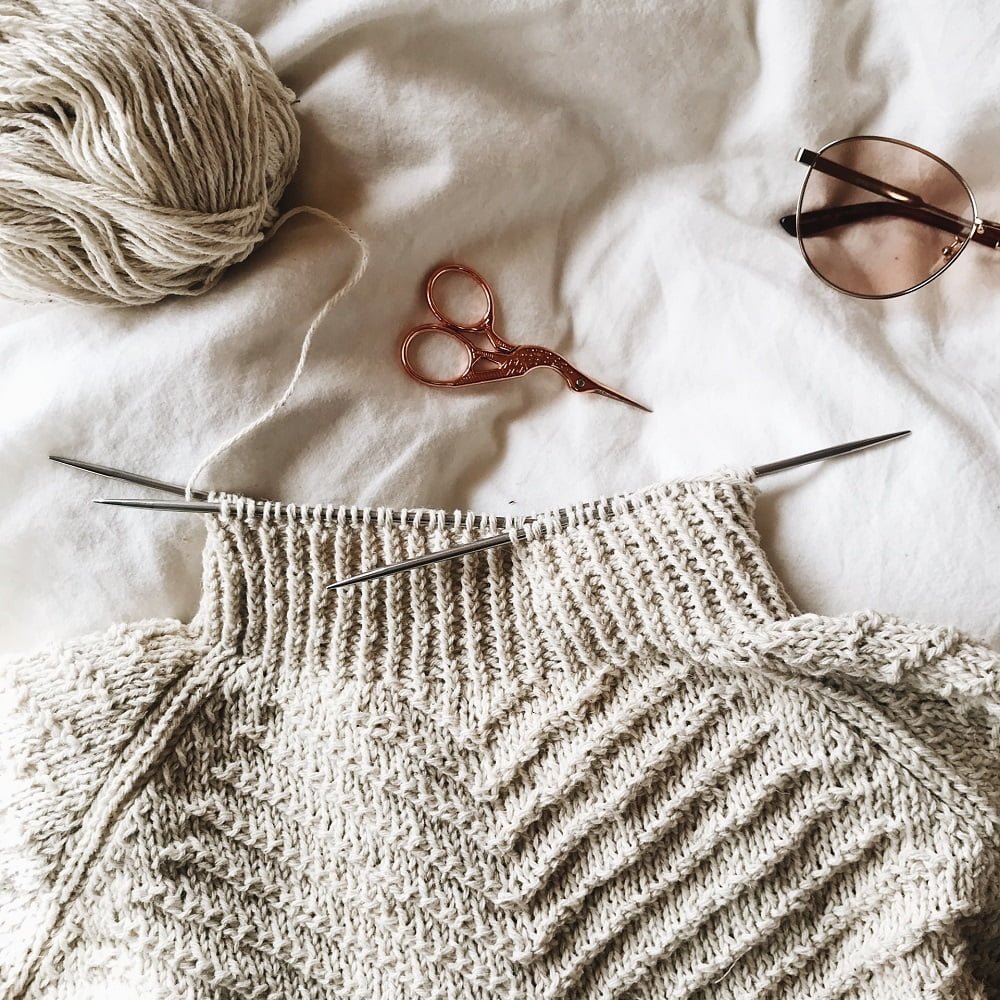
If you notice a few holes in your favorite clothing items or your shoes get a bit scuffed up, make it a priority to fix them instead of throwing them out. We often think that pieces showing some wear and tear are no longer good enough for use, but every quality item can potentially be fixed. For that reason, visiting a local tailor and cobbler can have great benefits. It extends the lifetime of your favorite clothes and footwear, thus reducing waste and ensuring you’re able to wear your favorite pieces for a few more years, while saving you a significant sum in the long run as well.
Opt for sustainable brands
When buying new clothes is necessary, it’s always recommended to choose sustainable brands that have devoted themselves to eco-friendly practices such as reducing pollution, using local materials, and offering fair wages. The number of sustainable companies is continuously on the rise, and their offerings are more diverse and inclusive than ever, allowing everyone to find pieces they truly love and look great in. While this clothing might often come at a higher price point as well, you will receive durable, high-quality items that will last you for years to come, not to mention that you’ll be certain you’re supporting conscious and ethical practices.
Research each new purchase
In case you need something specific or there’s simply something special you truly want, your options will likely be limited. However, it might still be possible to shop with the planet in mind. Do some research about the company you plan on purchasing from, including how they make the items, which materials are used, how the manufacturing process affects the environment, and how ethical are the workers’ wages. A mindful and conscious brand will have all of this information available on its website. Whenever you’re not sure, choosing local might also be a more sustainable option.
Invest in timeless jewelry
Jewelry is a favorite among many fashionistas, allowing us to represent our personal taste and style and perfectly complement any stylish look. However, this industry comes with its own set of environmental issues as well, particularly when it comes to sourcing materials. That is why it’s essential to only invest in ethical and sustainable jewelry that is as beautiful as it is eco-friendly. Offering high quality and stunning timeless designs, these pieces will also stand the test of time and serve as gorgeous accessories for decades, thus truly being the most mindful option you can go for.

Choose more classic designs
Just like jewelry, it’s recommended to shop for more timeless clothing as well. Although keeping up with the latest trends might be tempting, choosing classic designs is the most sustainable option. This allows you to continue rewearing items without ever looking outdated, as well as to wear your pieces in different ways for different occasions, creating even more versatile outfits. Among the most practical classic pieces many individuals opt for are day-to-night dresses, straight jeans, biker jackets, tailored blazers, dress pants, basic shirts, and casual “anytime” sneakers, among others. These items are simple and functional enough to easily pair with anything in your wardrobe, while also allowing you to look fashionable and refined at all times.
Go for eco-friendly materials
Of course, the materials you select could have quite an important impact as well. Synthetic fabrics like polyester and acrylic are in a sense plastic, significantly contributing to pollution due to their production and inability to biodegrade. On the other hand, natural materials such as organic cotton, hemp, bamboo, linen, and wool are all great options. Not only are they better for the environment, being mostly biodegradable, but they are also much more breathable and pleasant for wearing, along with appearing more expensive and refined as well. And if you also ensure the natural materials you choose are ethically and sustainably sourced, it will truly be the best solution both for your health and the health of the planet.
Prioritize second-hand finds
Clothing items that continue to circulate instead of ending up in the landfill are arguably the most sustainable. That is why purchasing second-hand and pre-loved pieces is always a great idea. Look through local thrift and vintage shops, check out the increasing number of online retailers selling second-hand items, or even download apps that allow individuals to buy and sell clothes. Apart from being a more eco-consious way to shop, prioritizing pre-loved finds will often be more affordable, and it might allow you to score some unique gems as well.
Try to transition your looks
Buying clothing items that are going to serve you all year round is another great way to make your wardrobe more sustainable. Don’t focus too much on seasonal clothing, unless you live in a very specific climate, but rather invest in pieces that will allow you to transition your outfits from one season to another. Items like simple trousers and T-shirts, classic dresses, cozy cardigans, and timeless jackets and coats can make for a more versatile and functional wardrobe. This will allow you to truly make the most of your clothes and turn your closet into a more sustainable collection of fashionable pieces.
Be more mindful when washing
Although often overlooked, the way we wash and clean our clothes could have a significant impact as well. Dry cleaning, for instance, is quite a damaging practice and should be avoided whenever possible, as many dry cleaners use chemicals that are toxic to the environment, while wasting more energy than traditional wash cycles. But using the washer and dryer frequently isn’t great for energy consumption either, which is why using gentler detergents, washing less often if possible, and deciding on air drying can all be beneficial practices to adopt.
Final Thought on These Ways to Make Your Wardrobe More Eco-Conscious
Making a sudden change to sustainable fashion can often be a challenging task. But just by following the simple steps mentioned above, you can easily make your wardrobe more stylish and eco-conscious as well.
About the author: Lilly Miller is a freelance writer, who focuses on interior design, well-being and sustainable living. She loves to experiment on daring new home decor trends and write about it as a regular contributor to Smooth Decorator. Settled in Sydney for the time being, Lilly shares home with two loving dogs and a gecko named Rodney. You can find her hanging out on Twitter.