
After the Rescue the Care Continues
Rescuing cats from redevelopment sites is only the beginning. Julie Choi of YongsanCats explains the quieter work of treatment, foster care and adoption.
sustainability • ethics • climate • waste • renewables • ecology • poverty • equality
Ecology studies how living things interact with one another and their environment. This section covers biodiversity, ecosystems, wildlife, freshwater, land restoration and conservation, with attention to the communities, policies and scientific evidence that shape whether nature can recover.
Ecology focuses on the relationships between species, landscapes, and the systems that sustain life on Earth. In this section, we explore biodiversity loss, habitat restoration, conservation science, and the cultural and ecological knowledge that supports healthy ecosystems.
These articles highlight the intricate connections that bind humans and nature, offering perspectives on how ecological balance can be restored amid accelerating environmental pressures. It’s a space for readers who want to understand the natural world not just as scenery, but as a complex, interdependent living system.
Rescuing cats from redevelopment sites is only the beginning. Julie Choi of YongsanCats explains the quieter work of treatment, foster care and adoption.

When getting ride of old medicines, protect our environment and waterways by utilizing proper methods of disposal.

In a Dhaka pet shop, a shrimp-like crustacean from the bottom of the world sits on the ingredient list, and almost nothing along the supply chain requires anyone to explain what it is.

By Jack Shaw, senior writer and editor at Modded Historically, pressure-treated wood has been the default choice for docks, boardwalks and other waterfront structures. It resists rot, insects and constant moisture better than untreated lumber, helping property owners build longer-lasting infrastructure. However, some of the chemicals used to preserve wood can gradually leach into surrounding waterways as … Read more

It’s important to discuss sustainability with children. Let’s take a look at some tips on how best to approach the topic and the benefits of doing so.

Recently, the value of community gardens has become multifaceted and unique, from providing fresh food for neighbors to rejuvenating and sustaining the environment.

The way we produce and use materials affects the world’s biggest challenges: climate change, waste pollution, biodiversity loss, and social inequality.
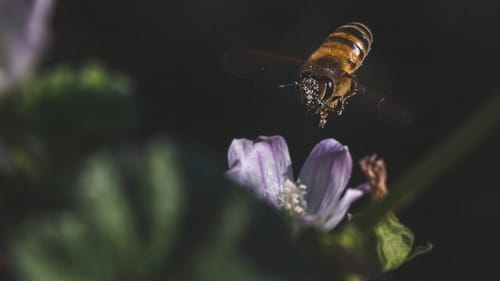
Throughout Tennessee, bees perform essential ecological functions, but their populations are under stress, and the resulting consequences are becoming evident.
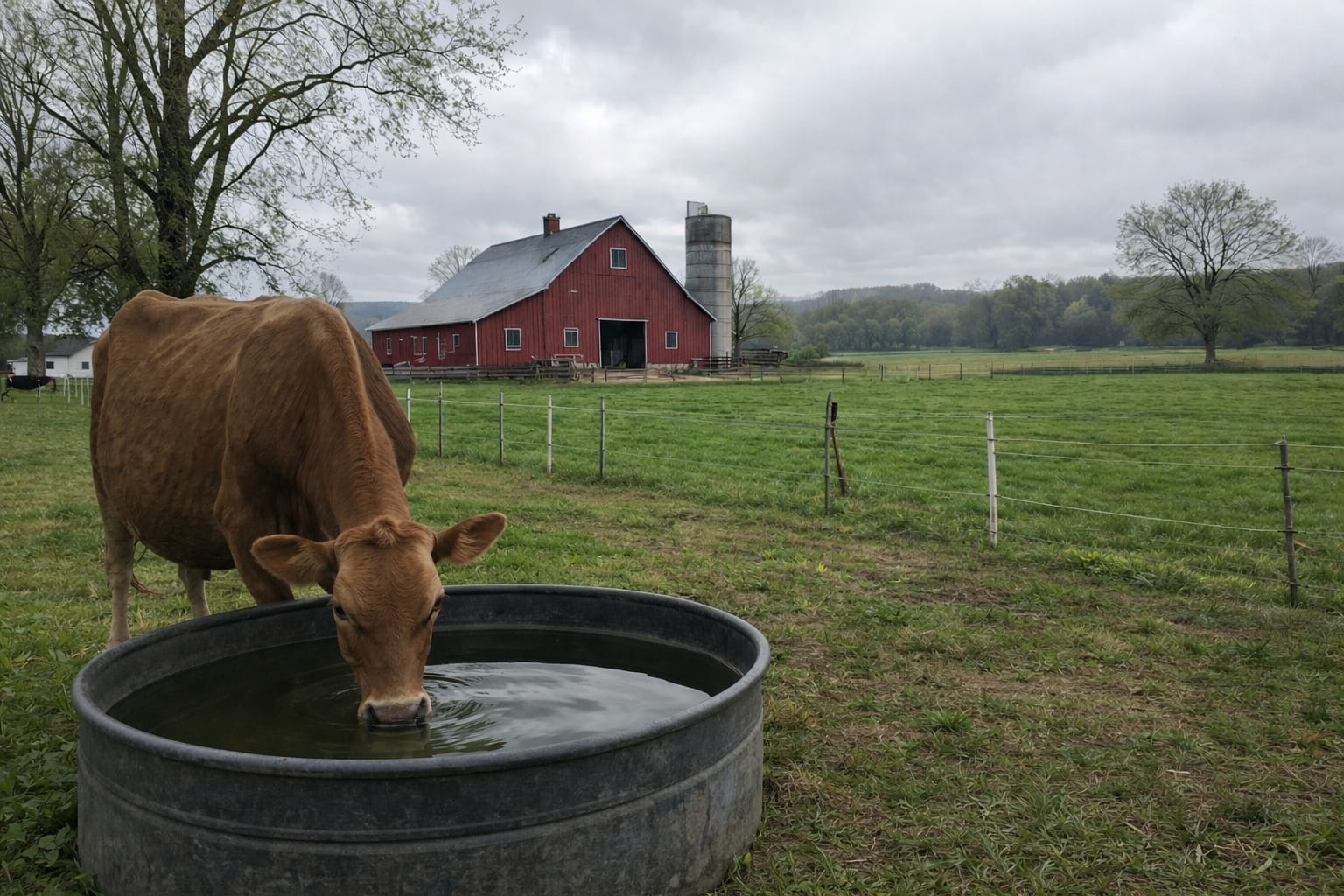
Healthier livestock starts with better setup. Here’s how pasture, water, shelter, airflow and daily systems shape small farm animal care.

In an era where the impact of climate change can no longer be ignored, there’s no place for unsustainable agricultural practices.

Is bamboo sustainable? A practical guide to bamboo vs. wood, construction, flooring, furniture, textiles, durability, processing and greenwashing.

Pacific Seafood and the Colville Confederated Tribes have developed a steelhead farming operation that bridges environmental responsibility with economics.

Malaysia’s coastal land reclamation is reshaping shorelines and livelihoods. Here’s how dredging affects seagrass, mangroves, fisheries, and flood risk.

How the mining process, processing parameters and tailings disposal methods contribute to widespread water contamination across Indonesia.

Auroville, founded in 1968 spanning parts of Tamil Nadu and Puducherry, India, was conceived as an experimental township on what was once a barren plateau.

There’s one tiny creature that has survived the harsh conditions and defies the odds every day, the Himalayan giant honeybee, Apis laboriosa.

Even if we make sure that we recycle it, our global paper industry is placing an unbearable weight on the planet’s forests, water, and climate.

Mangroves, which were often thought of as wastelands, are now more widely acknowledged as blue carbon ecosystems that can store enormous amounts of carbon.

Dr Noliya Mponya thinks Malawi needs to domesticate the Thabalaba plant, whose scientific name is Jateorhiza palmata.

Dispersers (high-shear mixers) shape clean-energy materials, batteries, composites, and food emulsions. Here’s how dispersion affects performance, scale-up, and waste.

Over the years, Lake Malawi, the fourth largest fresh water lake in the world by volume, has been losing fish stocks at alarming levels.

Chia Lagoon in Malawi has over 600 bird species, and many are endemic. Their numbers have been threatened by overhunting, but recent efforts have seen a change.

Avian collisions with man-made structures greatly affect bird populations and erode biodiversity. Are there practical solutions?

A project carried out in Finland by the Helsinki Institute of Urban and Regional Studies collected indicators of a sustainable neighbourhood.

It’s convenient that one brand can offer everything you need and want, plus offer an ethically run and sustainably made product.

Plant-based diets offer one of the most effective ways to align your eating habits with circular economy goals. Let’s look at the reasons why.

Drought-proof landscaping is quickly becoming necessary if you want your outdoor space to survive a changing climate. Droughts are happening more often and lasting longer.

Sand may not come to mind when most people think of the world’s limited resources. As through the hourglass, however, sand may be indeed be running out.

Climate change and invasive species are interconnected, which may create the most negative consequences for indigenous plants and animals.

Smart landscaping leverages an array of digital systems and physical nodes to enhance eco-friendly practices during design and planning.

Let’s take a closer look at some cutting-edge technologies to revolutionize clean water access for the billions of people in need.

This article looks at two successful and sustainable initiavies, one harnessing energy from ocean waves and the other a sanctuary for migrating birds.

Ethical and sustainable agriculture is essential in improving our food’s nutritional quality, and therefore, our gut health. Let’s look at the details.

A look at the current state of mangrove forests worldwide, how we got here, and plans for the future of these delicate yet critical ecosystems.

The environmental and economic benefits of mangrove forests, from carbon capture and water filtration to reducing the financial impacts of climate change.

The various threats to mangrove forests can all be traced to humankind, from agriculture and coastal development to tourism and climate change. Let’s discuss.