Inside Auroville’s Living Laboratory of Sustainable Building
Auroville, founded in 1968 spanning parts of Tamil Nadu and Puducherry, India, was conceived as an experimental township on what was once a barren plateau.
sustainability • ethics • climate • waste • renewables • ecology • poverty • equality
Sustainability sits at the heart of Unsustainable Magazine. This section brings together stories that explore how people, communities, and ecosystems adapt to a world in rapid transition. Here you’ll find reporting and reflections on climate change, ecological resilience, waste systems, energy futures, and the everyday choices that shape our collective impact.
Our aim isn’t just to document environmental challenges, but to examine how they intersect with justice, inequality, and lived experience. From new research on carbon emissions to local efforts to restore biodiversity, these articles connect the global and the personal, the structural and the immediate.
Whether you’re looking for clear explanations, in-depth analysis, or grounded ideas for creating change, the Sustainability category offers a wide-ranging view of the forces reshaping our planet — and the possibilities that still remain.
Auroville, founded in 1968 spanning parts of Tamil Nadu and Puducherry, India, was conceived as an experimental township on what was once a barren plateau.
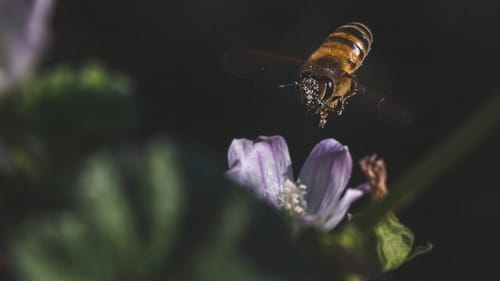
There’s one tiny creature that has survived the harsh conditions and defies the odds every day, the Himalayan giant honeybee, Apis laboriosa.
Even if we make sure that we recycle it, our global paper industry is placing an unbearable weight on the planet’s forests, water, and climate.
Mangroves, which were often thought of as wastelands, are now more widely acknowledged as blue carbon ecosystems that can store enormous amounts of carbon.
Tech waste makes up just 2% of landfill mass but creates 70% of toxic waste. Let’s take a closer look.
As heatwaves intensify and smog levels climb, emergency medical systems show a predictable pattern of more 911 calls for respiratory distress, chest pain and heat-related illness. The interaction between poor air quality and extreme temperatures strains human physiology, especially among vulnerable groups. What can you do when the air you breathe turns dangerous? What You’re … Read more
As rain falls, it seeps into the ground and nourishes the soil on an undeveloped hillside. However, when it hits the roof of a house or an impermeable driveway, the water streams into the nearest sewer drain.
Communities thrive when they control the energy that powers their lives. Across towns and villages, people are finding ways to generate clean electricity close to home. Solar panels on rooftops, local wind turbines, and shared battery storage are turning consumers into producers. Each small project creates independence, builds confidence, and strengthens resilience. These energy models … Read more
The way we produce and use materials affects the world’s biggest challenges: climate change, waste pollution, biodiversity loss, and social inequality.
Dr Noliya Mponya thinks Malawi needs to domesticate the Thabalaba plant, whose scientific name is Jateorhiza palmata.
Understanding the importance of solar farms could transform how you imagine a greener future.
If you’re serious about finding curated books on sustainability and summaries on climate change, this list is where you can begin.
Dispersers will not make headlines, yet they are fundamental facilitators of improvements in energy, materials, and nutrition research.
Over the years, Lake Malawi, the fourth largest fresh water lake in the world by volume, has been losing fish stocks at alarming levels.
Waste-to-energy (WTE) systems and landfill diversion programs: Businesses are learning to extract electricity, heat, or reusable inputs from waste materials.
Will solar energy help, or are its benefits overstated? Discover the truth behind every pervasive misperception about solar farms to separate fact from fiction.
From November 10th to 21st, 2025, the city of Belém in northern Brazil will host the 30th United Nations Climate Change Conference (COP30).
Chia Lagoon in Malawi has over 600 bird species, and many are endemic. Their numbers have been threatened by overhunting, but recent efforts have seen a change.
Here are 10 of the most significant innovations that have paved the way for a cleaner, greener automotive future.
Avian collisions with man-made structures greatly affect bird populations and erode biodiversity. Are there practical solutions?
A project carried out in Finland by the Helsinki Institute of Urban and Regional Studies collected indicators of a sustainable neighbourhood.
It’s convenient that one brand can offer everything you need and want, plus offer an ethically run and sustainably made product.
Malawi has generated income through carbon trading. These earnings have been realized from the sale of carbon credits. Let’s take a closer look.
Lack of clean cooking technologies in Malawi, as in much of the rest of the world, is a large problem, resulting in the problematic use of wood or charcoal.
Plant-based diets offer one of the most effective ways to align your eating habits with circular economy goals. Let’s look at the reasons why.
The practice of urban mining has encouraged sustainability-minded people to think differently about sourcing construction materials. Instead of extracting resources from the planet, this process reuses materials that people would otherwise discard.
Chocolate in a warming climate: How changing average temperatures are impacting the cocoa industry
Actually confronting the reality of climate catastrophe can look a lot like the 7 stages of grief. Let’s discuss the 7 stages of climate grief.
Drought-proof landscaping is quickly becoming necessary if you want your outdoor space to survive a changing climate. Droughts are happening more often and lasting longer.
Extreme weather and aging power grids make the perfect recipe for widespread blackouts. Resolving it with clean energy isn’t as easy as you think.
From your home to the local landfills, the ramifications of food recalls are far and wide. Here are 10 lesser-known effects of these critical announcements.
When looking at natural versus synthetic, most builders want to know which aligns most with a greener future.
Sand may not come to mind when most people think of the world’s limited resources. As through the hourglass, however, sand may be indeed be running out.
Every benefit of DEI is an advantage for sustainability — the opposite is also true. The willingness to tackle both requires transparency and dedication. By Evelyn Long, editor-in-chief of Renovated There is still little diversity when observing trades like construction, electrical and plumbing. Women, people of color and other minority demographics remain less represented. This reality … Read more
Climate change and invasive species are interconnected, which may create the most negative consequences for indigenous plants and animals.
Workplaces are adapting to those evolving influences by merging advanced tech tools with environmental health and safety strategies.