
When Pollution Kills: Where Environmental Law Meets Criminal Law
When pollution causes death, environmental violations can become criminal cases. Explore where environmental law meets murder and manslaughter.
sustainability • ethics • climate • waste • renewables • ecology • poverty • equality
Environmental ethics asks how people, institutions and governments should treat one another, other species and the planet. This section examines equality, public policy, human rights, climate justice and the social costs created when environmental benefits and harms are distributed unfairly.
Stories on Ethics explores how environmental and social challenges intersect with questions of responsibility, equity, and morality. This section highlights the human dimensions of sustainability — the ways policies, power structures, and cultural norms shape who is affected, who is protected, and who is left behind.
We examine issues ranging from labour rights and community resilience to political decision-making and global justice. These articles bring forward voices and perspectives that complicate simple narratives, reminding us that sustainability is as much about people and systems as it is about resources and technology.
For readers seeking deeper context and critical reflection, this category offers a lens into the ethical foundations of a sustainable future.
When pollution causes death, environmental violations can become criminal cases. Explore where environmental law meets murder and manslaughter.

Australia’s Payday Super reform ties retirement contributions to payday, making unpaid super visible sooner and reducing a multibillion-dollar gap.

Honorary degrees recognize more than exceptional achievement: they express what a university believes success, character, and service should look like.

In rural Malawi, a new bridge is helping women dairy farmers reach markets year-round, cutting milk losses and strengthening household incomes.

Learn how family roles can change as Alzheimer’s progresses, from preserving independence early on to providing greater care and comfort later.

Regenerative building goes beyond sustainability by actively restoring ecosystems, honoring local history, and supporting human well-being.
As climate-driven wildfires grow longer and more destructive, the smoke they produce is traveling farther than ever; transforming urban air quality, threatening public health, and forcing cities to rethink how they monitor and protect the air their residents breathe.

Ageing populations will reshape housing, transport and public spaces. Here’s how communities can remain accessible, connected and sustainable for life.

Inclusive education helps communities last by supporting more students, families, and future workers through fairer, better-designed schools.
Conservation efforts have operated from the top down for decades. Governments and international organizations set boundaries, created protected areas and enforced restrictions while local communities watched from the sidelines. However, a growing body of evidence suggests community-based conservation may work better. When communities gain genuine control over natural resources, they often become the most effective … Read more

It’s an issue along the lines of “breathe the air and die prematurely.” There’s a serious problem around fine particulate pollution in Europe. Let’s discuss.

Climate crisis impacts more than temperatures. It deepens inequalities, changes corporate priorities and demands many to change their lifestyles.

A recent civil rights settlement in Delaware marks progress for environmental justice, with the state agreeing to reform how it handles pollution permits near vulnerable communities. However, the agreement does nothing for residents already breathing contaminated air. This pattern occurs repeatedly across the United States, with regulatory victories promising future protection while ignoring present harm. … Read more

Chemical risk assessments protect humans from dangerous exposure and support public health. Let’s explore the controversies and what to look for in the future.
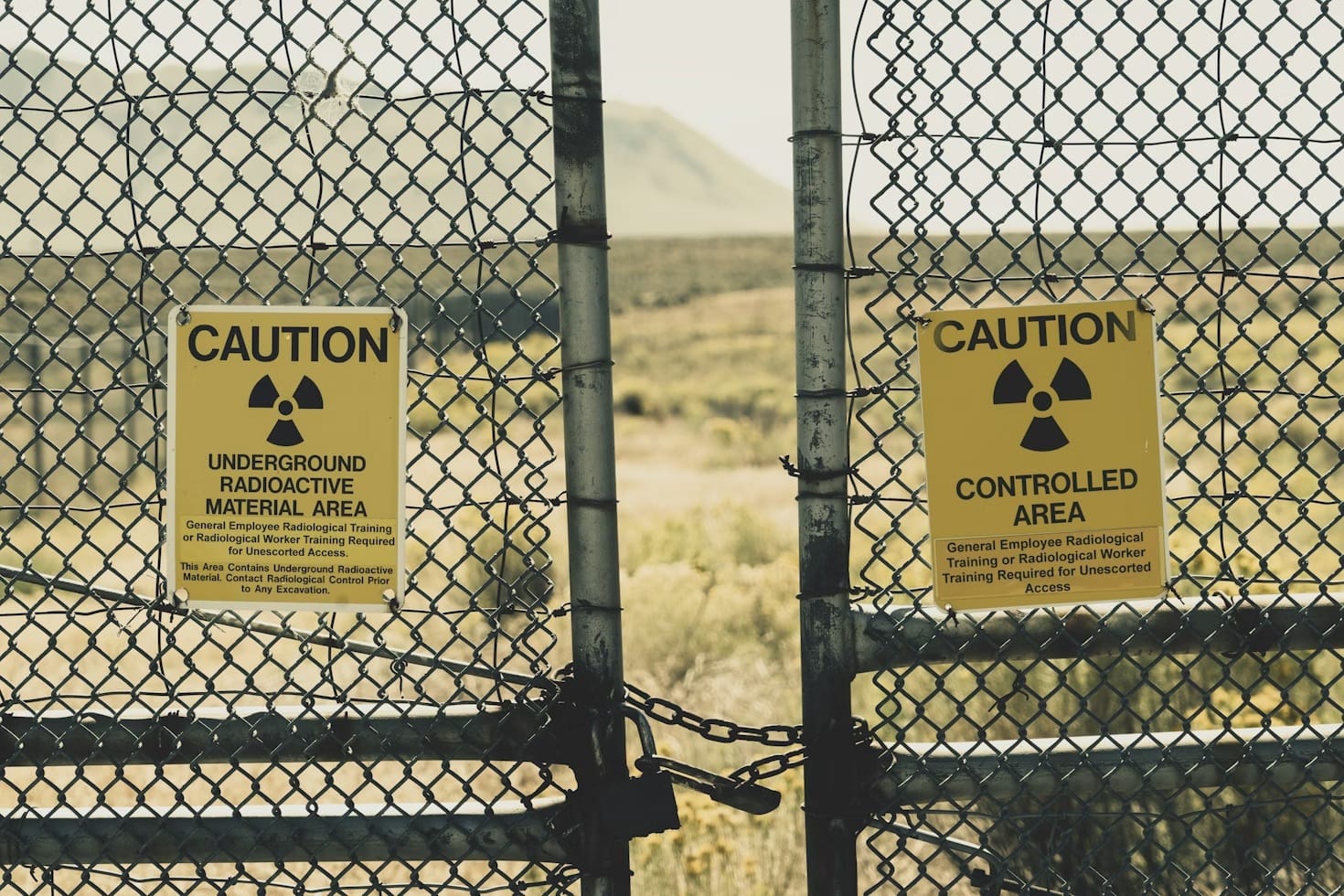
The Great Pivot: After 16 Years, DOE Quietly Abandons Yucca Mountain and Starts Fresh

Wealth can shape legal outcomes through bail, defence resources, expert access, and mitigation. Here’s how money distorts justice in practice.

A guide to using location sharing for safety, coordination, and trust without normalising constant monitoring.
When most people think of slavery, images of historic racist abuse come to mind. However, those in power have found ways to abuse loopholes in legislation.

Louisiana mineral rights shape land use, public revenue, and local risk. Here’s how to understand the issue through a sustainability lens.

The shift to personal responsibility has created a marketplace where safety and disaster preparedness are sufficiently available, but unevenly distributed.

Clear Yoruba translation improves access, trust, and participation in education and community programs when language is treated as core infrastructure.

Seeing more examples of renewable energy initiatives created by marginalized communities may inspire you to enact similar, empowering change where you live.

A grounded look at middle-class money stress—cost-of-living pressures, debt, mental load, and practical ways to regain breathing room without shame.

Kasiya’s rutile and graphite discovery brings hope for jobs and services—but also raises concerns about land loss, pollution, and fair benefits.

A practical guide for parents: warning signs, how to talk, and when to seek extra support—plus options beyond weekly therapy.

Health literacy shapes health outcomes worldwide. Here’s how communities, schools, and health systems can improve access, understanding, and trust.

If we want a future that is sustainable and prosperous, we must teach the next generation how to balance the heavy scales of freedom and responsibility.

Civilization’s origin story is often told as pure progress. Here’s what that narrative leaves out: surplus, power, and the rise of inequality.

Just Grace is an NGO working in one of the oldest townships in South Africa. Its team is dedicated to bringing about long-lasting and sustainable change.

Lack of public transportation in Malawi has led to the growing of an informal sector of motorbike taxis popularly known as Kabaza across the country.

Malawi’s 4th President Arthur Peter Mutharika of the Democratic Progressive Party (DPP) made a dramatic return to power by winning the General Election.

A profile of Khalil Khalil and Alegria, the Gaza circus project bringing children moments of joy, play, and dignity amid war.
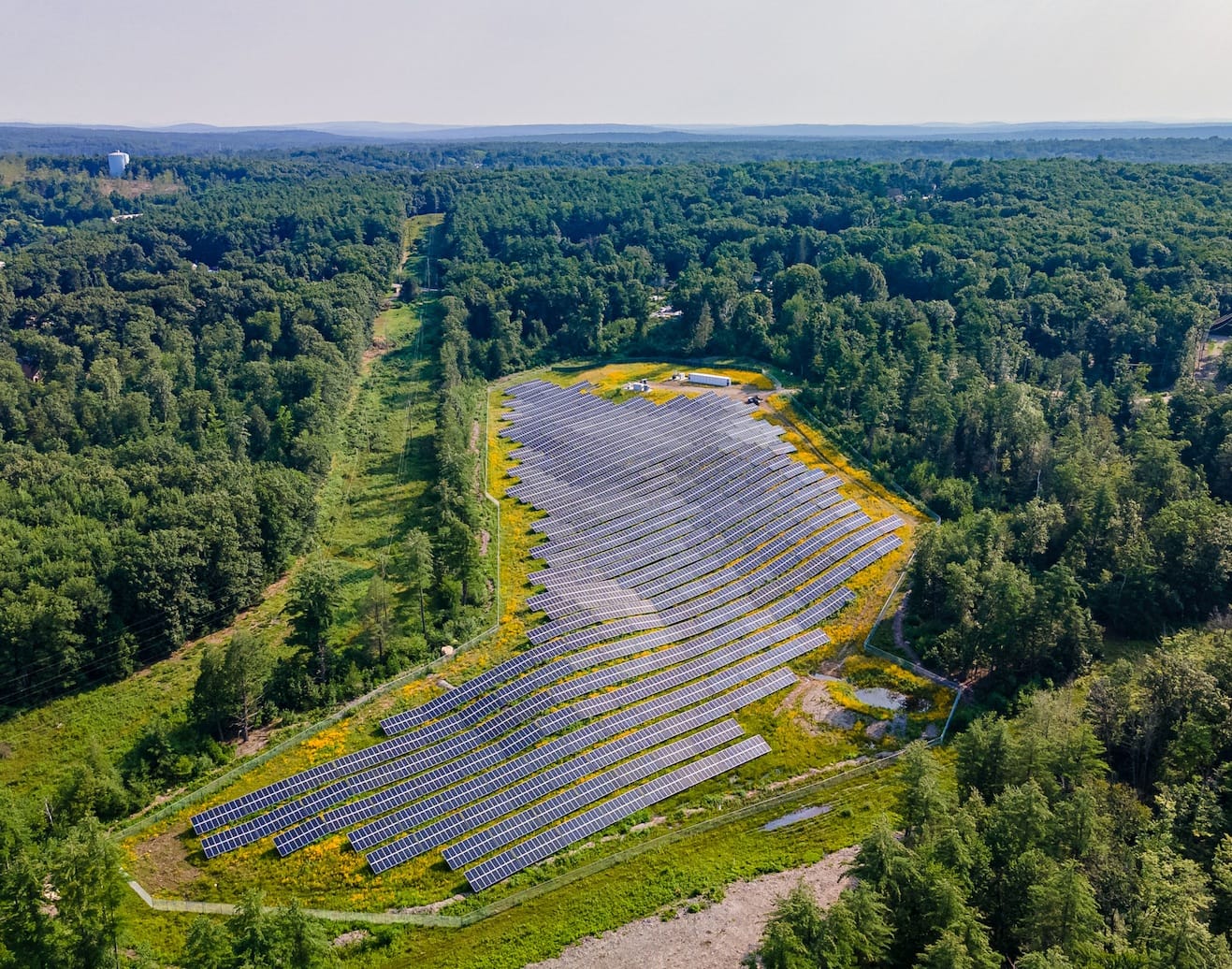
More than just generating electricity or energy, these micro-projects serve as engines for inclusive economic growth, resilience, and environmental stewardship.

As heatwaves intensify and smog levels climb, emergency medical systems show a predictable pattern of more 911 calls for respiratory distress, chest pain and heat-related illness. The interaction between poor air quality and extreme temperatures strains human physiology, especially among vulnerable groups. What can you do when the air you breathe turns dangerous? What You’re … Read more

Mercury use in artisanal and small scale mining in Malawi is common, but not many people are aware of the deadly consequences that can result from exposure.

The cost of data in Malawi had been a cause for concern to many consumers where, in 2020, consumers were paying US$25 per one gigabyte.