
How Electric Trucks and Charging Infrastructure Reduce Urban Pollution
Electric trucks can reduce urban exhaust pollution and noise, but reliable charging and careful fleet planning are essential to making the transition work.
sustainability • ethics • climate • waste • renewables • ecology • poverty • equality
Electric trucks can reduce urban exhaust pollution and noise, but reliable charging and careful fleet planning are essential to making the transition work.

Septic sludge is an overlooked part of the waste cycle, connecting rural households to treatment plants, land application, landfills, and incineration. This article examines how septage can provide nutrients and energy through biosolids recovery, while raising concerns about PFAS, microplastics, and pathogens. Better pumping, disposal transparency, contaminant testing, and resource recovery are essential for sustainable sanitation.

When getting ride of old medicines, protect our environment and waterways by utilizing proper methods of disposal.

Learn why recyclable beverage packaging can still end up in landfills and how proper depackaging, processing, and recovery can help close the gap.

Learn how businesses can store, collect and recycle used oil safely while reducing pollution, waste and demand for virgin lubricants.

Putting solar on superstores is great for everyone. It’s beneficial for businesses, electricity customers, the grid, and the environment.

The greatest advantages of heat pumps are that they save consumers money while also creating a safer, more comfortable home and protecting the environment.

Can energy-efficient homes alone make a significant impact on reducing the planet’s carbon footprint? Evelyn Long breaks down the facts and explores in detail.

Sustainable real estate development reduces environmental impact, lowers operating costs, and creates healthier homes, buildings, and communities.

Sustainable jewelry brands have clear ethical practices that benefit people and the planet. Avoid these five red flags to find genuine sustainable brands.

Emerging studies on the environmental and human health impacts of gas stoves have caused some concern, with bans now being discussed. Let’s take a closer look.

It’s an issue along the lines of “breathe the air and die prematurely.” There’s a serious problem around fine particulate pollution in Europe. Let’s discuss.

Scope 3 emissions are hard to cut and easy to misrepresent. Here’s how companies can act credibly across their supply chains.

The mounting environmental cost of digital connectivity underscores the urgent ecological need to transition from copper to fiber infrastructure.
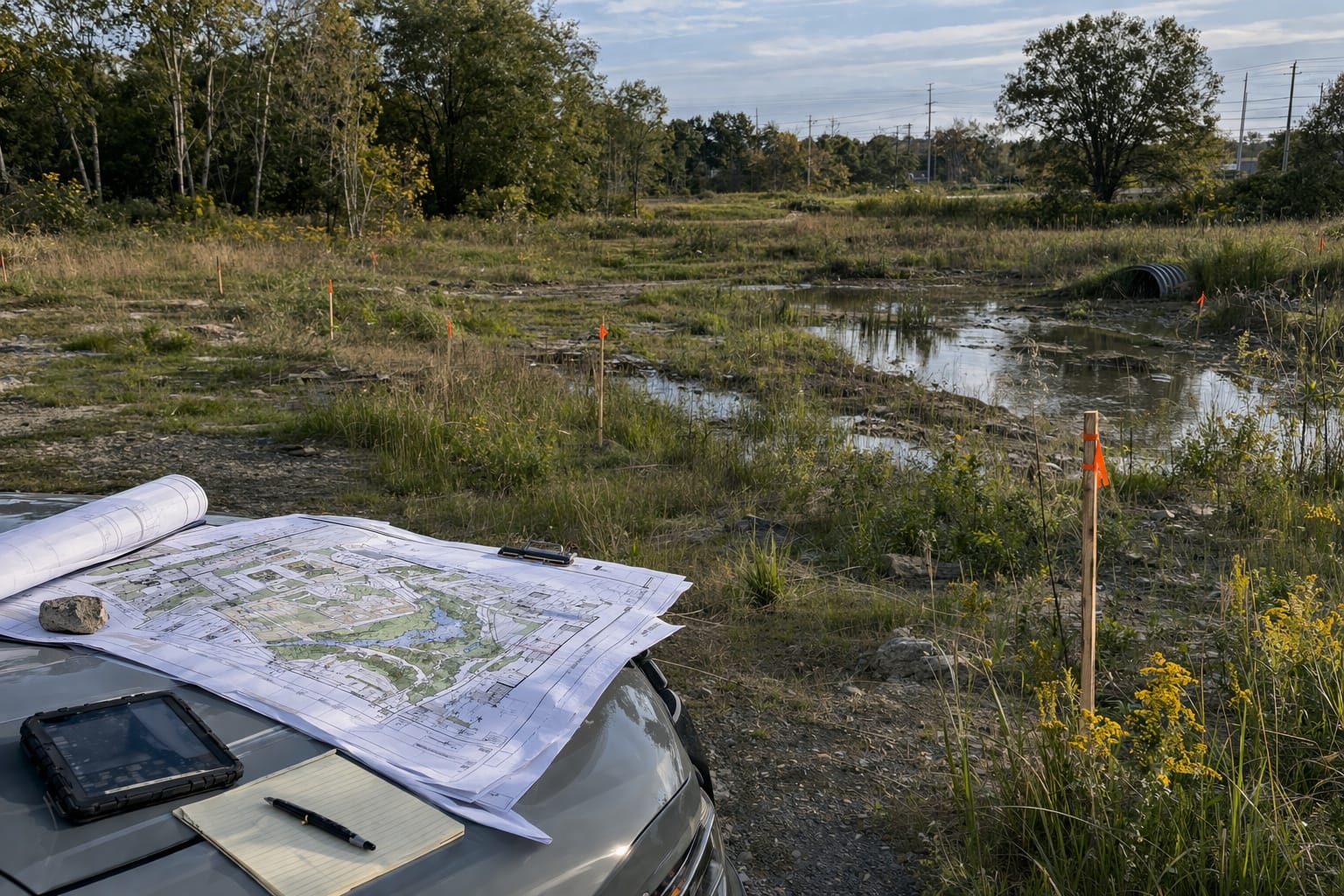
How early environmental review can reduce risk, improve site decisions, and support more responsible development from the start.

The development of rust poses multiple environmental challenges despite its perception as a mere unsightly annoyance. Let’s look at the details.

Chemical risk assessments protect humans from dangerous exposure and support public health. Let’s explore the controversies and what to look for in the future.
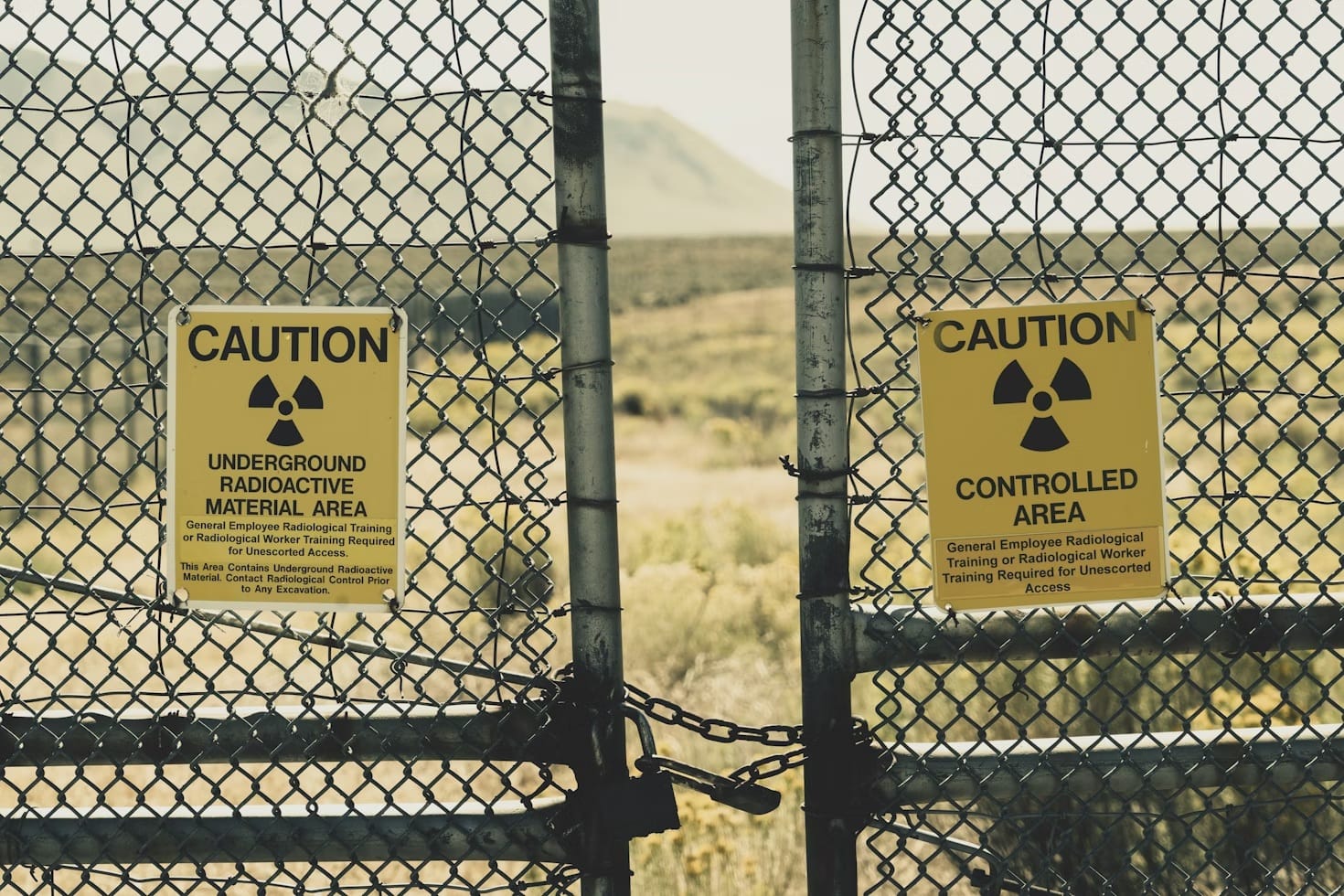
The Great Pivot: After 16 Years, DOE Quietly Abandons Yucca Mountain and Starts Fresh

Biofuels can cut fossil fuel use, but their environmental impact depends on land, feedstocks, and scale. Here are the key pros and cons.

Labs consume large amounts of energy and generate waste streams that cannot simply be dropped into ordinary recycling systems.

A petrol moped is not guilt-free, but for some short trips it can be a lower-impact choice than driving a larger car. Here is the honest trade-off.

Sustainable flexible packaging depends on more than materials alone. Smarter machinery can cut scrap, reduce energy waste, and support circular design goals.

Pacific Seafood and the Colville Confederated Tribes have developed a steelhead farming operation that bridges environmental responsibility with economics.

EV charging stations with wildflower plots can improve the environmental impact of these roadside stations and help offset the negatives. Let’s discuss.

Indoor air can be more polluted than outdoor air. Here’s a practical, low-drama guide to ventilation, moisture control, filtration, and safer habits.

Louisiana mineral rights shape land use, public revenue, and local risk. Here’s how to understand the issue through a sustainability lens.

A practical guide to barrier packaging: coatings, films, paper, and bioplastics—what’s recyclable, what’s compostable, and what’s greenwash.

Seeing more examples of renewable energy initiatives created by marginalized communities may inspire you to enact similar, empowering change where you live.

If companies are informed and governments create regulations, the world can work together to create a better commercial recycling system, to the benefit of all.

Whilst there is no denying the positive impact that electric cars have on the environment, they also benefit various industries, to profit and productivity.

What phone right to repair really means, what blocks repairs, how to decide repair vs replace, and practical steps to cut e-waste and cost.

Kasiya’s rutile and graphite discovery brings hope for jobs and services—but also raises concerns about land loss, pollution, and fair benefits.

How carbon-conscious corporations pursue net zero in practice — emissions scopes, credible targets, risks, and real-world progress.

Solar is expanding fast in developing countries, but outcomes depend on financing, maintenance, and the right model: grid, mini-grid, or solar home systems.

The World Green Building Council is hoping, by 2030, to reduce embodied carbon emissions in construction by 40% and reach net-zero status in 2050.

Auroville, founded in 1968 spanning parts of Tamil Nadu and Puducherry, India, was conceived as an experimental township on what was once a barren plateau.