
8 Yard Upgrades to Cool Your Home and Save Water
From shade trees to rain gardens, discover eight practical yard upgrades that reduce heat, save water and manage stormwater naturally.
sustainability • ethics • climate • waste • renewables • ecology • poverty • equality
A sustainable garden works with local climate, soil and wildlife. It uses regionally appropriate plants, protects soil, reduces synthetic chemical use, captures rainwater, limits unnecessary lawn and provides food, shelter and water without creating new invasive-species or water-use problems.
Garden focuses on cultivating green spaces that support biodiversity, resilience, and connection to the natural world. These stories explore regenerative gardening, native plants, soil care, pollinator support, and low-impact practices suitable for beginners and seasoned growers alike.
From small balcony pots to community food gardens, this category celebrates the ways gardening can restore ecosystems and bring people closer to the rhythms of nature.
From shade trees to rain gardens, discover eight practical yard upgrades that reduce heat, save water and manage stormwater naturally.

As drought dries the surrounding landscape, water-wise gardens can become wildlife refuges. Here’s how to balance resilient planting with thoughtful coexistence.

What goes down a household drain can affect septic performance, groundwater quality and the lifespan of an entire wastewater system.

This guide covers what to ask, what to specify, and which local rules and programs to consider so the finished pool uses less water and energy.

Stay itch-free this summer with our guide to sustainable bug bite relief. Discover 5 chemical-free, non-toxic remedies and prevention strategies.

A healthy garden depends on steady, well-timed watering. But when a sprinkler system starts to fail, the damage is not always obvious straight away.

Mycorrhizal fungi form underground partnerships with plant roots, helping plants access nutrients and water while supporting healthier soil, biodiversity, and more resilient ecosystems.
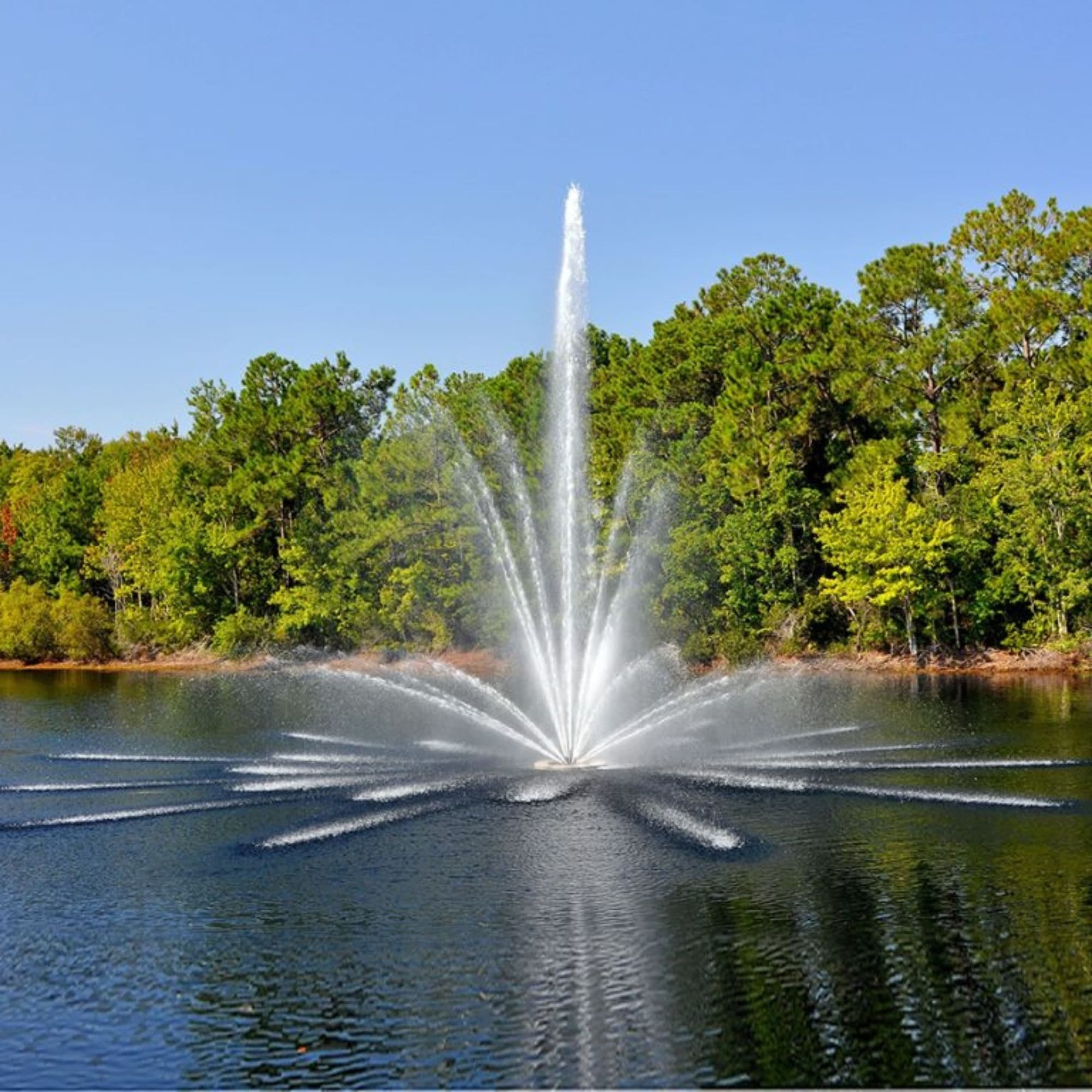
Choose a pond fountain size that fits your lake or pond while supporting water movement, oxygen levels, maintenance, and long-term pond health.

Learn simple ways to make your garden pond more eco-friendly with better water care, healthier oxygen levels, and more wildlife-friendly design.

How a better-organized garage can support safer storage, easier repairs, and longer-lasting vehicles, tools, and household equipment.

Safer playgrounds depend on more than soft surfacing. A reader-first look at shade, drainage, maintenance, accessibility, and material trade-offs.

The future of lawn care is smaller, smarter, and more ecological, with less water waste, fewer chemicals, quieter tools, and more resilient landscapes.
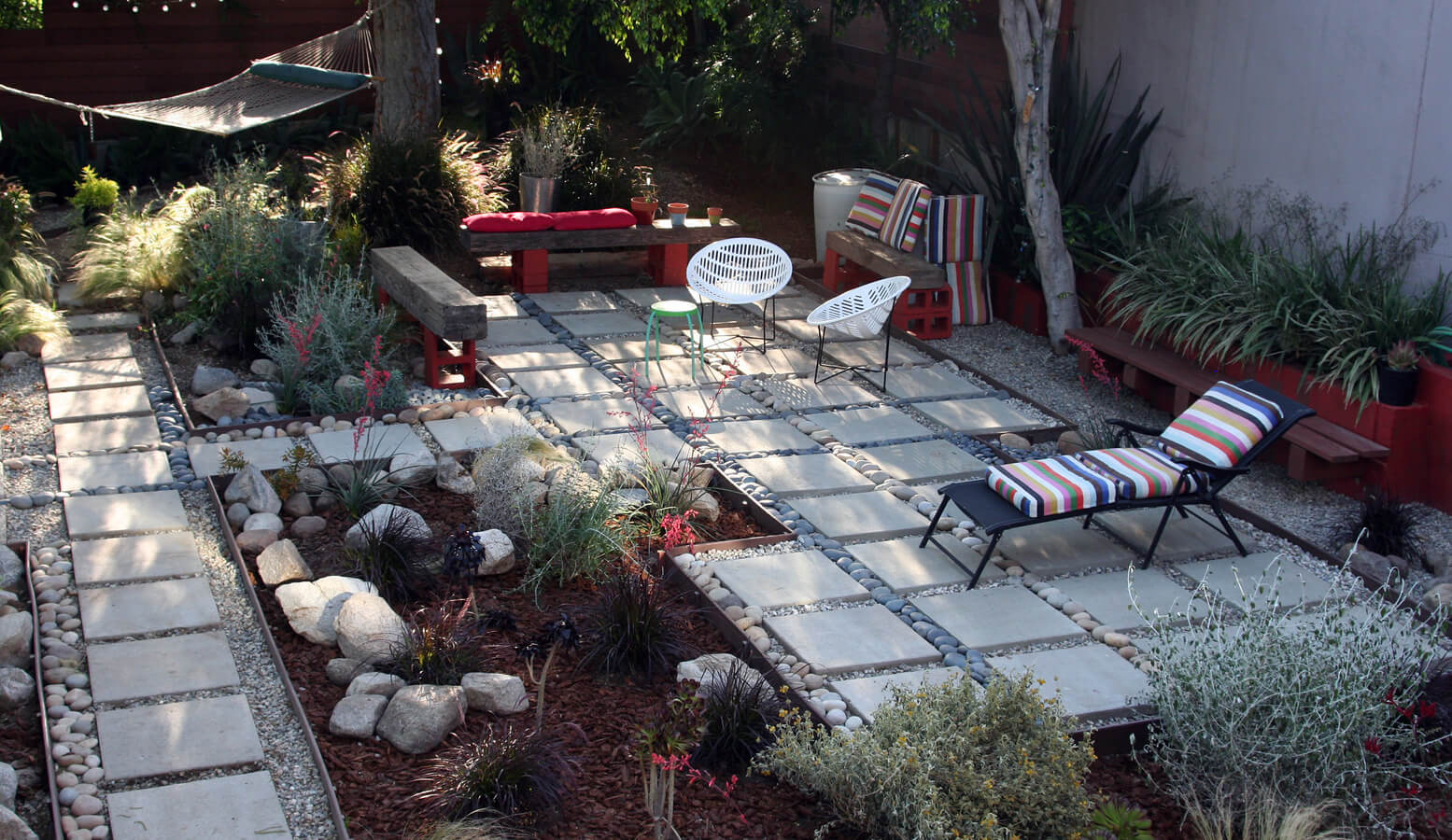
Practical, wildlife-friendly ways to protect your garden: healthier soil, natural pest control, recycled materials, and living boundaries—without harming biodiversity.

How to choose lower-impact fencing for a greener garden, with practical tips on materials, trellis planting, biodiversity, and long-term durability.

Ugly vegetables are often excluded from the food system despite being perfectly edible. Understanding their role reveals a great deal.

This article will challenge the ingrained cultural stigma attached to weeds by celebrating certain species that have historically been given a bad rep.

A practical question list to hire a landscape architect who fits your site, budget, and values—covering process, sustainability, permits, and maintenance.

Turn your garage into a sustainable winter garden! Grow fresh produce, optimize small spaces, and embrace eco-friendly practices for a healthier lifestyle.

Learn why some yards attract more pests than others, and how drainage, shelter, waste, watering, and maintenance shape pest pressure.

Cultivating sustainable foods at home provides you with fresh, nutrient-dense produce free from harmful contaminants commonly found on store-bought vegetables.

Learn how to inspect, sharpen, balance, clean, and store mower blades for a cleaner cut, healthier grass, and a mower that lasts longer.

Waste-reducing soil covers, a simple adjustment with tremendous benefits: healthier plants, improved soil quality, reduced waste, and a sense of satisfaction.

If your soil is not pleased, neither will your garden be. And that is why eco-friendly gardening begins with your feet.

Safe and natural clearing methods are better for your health and the environment. Here’s how to renew your yard the correct way.

Amid rising concerns over resource depletion, artificial turf surfaces as a polarizing solution. Let’s discuss some of the points made by proponents.

Organic gardening offers a better, more sustainable way to care for our plants and vegetables without falling back on synthetic fertilizers.

Let’s talk about the best eco-friendly ways to grow your own peppers, from choosing sustainable soil to harvesting the freshest, spiciest crops.

Let’s explore the ecological principles that govern koi ponds, the essential components needed for balance, and how to create a thriving environment.

Having an eco-friendly garden involves putting a lot of effort into the design process. If you want to ensure your garden is the best it can be then simply take a look below.

This article examines how companion planting (pairing certain plants together to leverage their natural symbiotic relationships) increases yield significantly.

Ensuring your outdoor café space is both practical and aesthetically pleasing can enhance customer satisfaction and boost your café’s appeal.

Dense cities mean less room for plants and trees. One solution is to build upward, thus introducing vertical gardening to your community. Let’s discuss!

By adopting practices that conserve water and support local wildlife, you can create a garden that thrives while positively impacting the environment.

Regardless of how you choose to address weed growth, using landscape fabric is not your best option. Let’s discuss the reasons why, and look at alternatives.

They’re designed for the public but sometimes aren’t accessible to all. Let’s discuss ways that parks and other green spaces can be made more inclusive.

It’s an enjoyable hobby people of all ages can get into. Discover the merits of gardening for seniors and learn some tips to make your garden age-friendly.