Healthy livestock rarely comes from luck. More often, it grows out of the decisions made before a flock or herd ever arrives: where animals will shelter in bad weather, how water will be supplied, how pasture will recover between grazing periods, and whether everyday chores are supported by systems that are simple enough to do well every day.
That is part of what makes small-scale farming so compelling. A well-set-up farm can support better animal welfare, reduce avoidable stress, and make daily care more consistent. It can also help prevent some of the common problems that appear when infrastructure is treated as an afterthought: muddy sacrifice areas, dirty water, poor airflow, preventable illness, and manure buildup that becomes both an environmental and management problem.
If you are setting up a small farm with livestock in mind, it helps to think less about buying animals first and more about creating conditions that let them stay healthy. That means looking at the whole system: land, shelter, fencing, water, manure, and the routine equipment that keeps care practical through changing seasons. It is the same systems-level thinking that sits behind agroecology and many of the questions raised in our piece on rethinking farming sustainably.
Key Takeaways
- Healthier livestock starts with setup, not just treatment after problems appear.
- Pasture recovery, clean water, shade, dry footing, and reliable shelter matter more than many new farmers expect.
- Good airflow and dry bedding can help reduce stress and lower the risk of respiratory and hoof problems.
- Manure management affects runoff, water quality, labour, and animal comfort, not just farm tidiness.
- Choosing durable, easy-to-clean infrastructure can make consistent daily care much more realistic on a small farm.
In Focus: Key Data
- USDA organic livestock rules require year-round outdoor access, shade, shelter, exercise areas, fresh air, clean drinking water, and direct sunlight for covered livestock, with only limited temporary confinement exceptions.
- The USDA’s updated Organic Livestock and Poultry Standards took general effect on January 2, 2025, with some poultry-related requirements extending to January 2, 2029.
- Penn State notes that proper small-ruminant housing airflow is roughly 4 to 15 air exchanges per hour, or about 20 cubic feet per minute per animal.
- Penn State also notes that a lactating cow may drink 30 to 50 gallons of water per day, showing how quickly weak water systems can become a welfare problem.
- General livestock water intake often falls around 1 to 2 gallons per 100 pounds of body weight, depending on species, weather, diet, and production stage.
- USU Extension warns that poorly managed manure can contaminate groundwater and surface water, making storage and placement decisions more important than they first appear.
Start With Land Capacity, Not Animal Shopping
One of the most common small-farm mistakes is choosing animals before being honest about the land. A few acres can look generous until you factor in wet periods, recovery time, winter feeding areas, gates, access lanes, and the damage repeated hoof traffic can do when soils are soft.
The goal is not to squeeze as many animals as possible onto a property. It is to create a system that can absorb ordinary stress without breaking down. A farm that looks adequate on paper can still struggle in practice if there is no room to rotate, no dry fallback area during heavy rain, or no plan for keeping animals off vulnerable ground when pasture needs time to recover.
That is why setup matters so much. Even on a modest block, a sensible layout can make the difference between a functioning system and a muddy cycle of damage and repair.
Pasture Is Part of the Health System
Good pasture management does more than lower feed costs. It affects how animals move, rest, browse, and interact with the land. Managed well, pasture supports cleaner footing, more natural behaviour, and better plant recovery. Managed badly, it can lead to bare soil, weed pressure, runoff, and animals spending too much time standing in damp, churned-up ground.
That is one reason rotational or adaptive grazing gets so much attention. Not every small farm needs a complex grazing plan, but rest periods still matter. Allowing paddocks time to recover can improve pasture quality, reduce unnecessary pressure on the soil, and make better use of available land over time.
Small farms do not need to mimic large commercial grazing systems to benefit from this logic. Even a few paddocks, temporary fencing, and the discipline to move animals before pasture is hammered into the ground can improve conditions significantly.
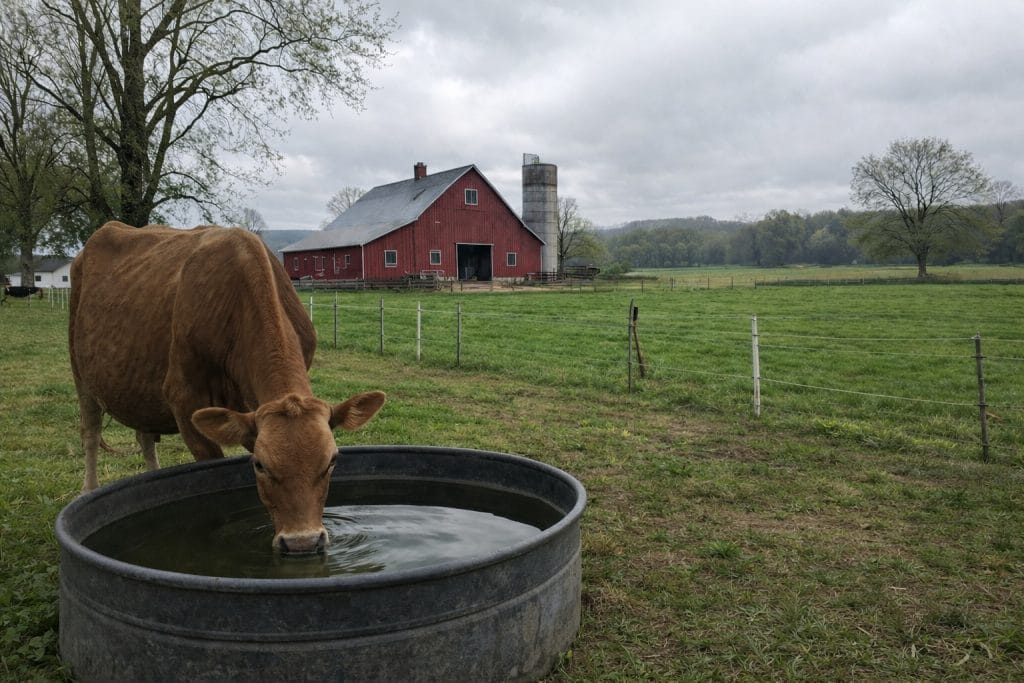
Water Systems Need to Be Boringly Reliable
Water can sound too obvious to mention until it fails. Then it becomes urgent very quickly. Livestock need regular access to fresh, clean water, and the numbers alone show why. A lactating cow can drink 30 to 50 gallons a day in suitable conditions, and broader livestock guidance often works from a rough rule of 1 to 2 gallons per 100 pounds of body weight.
On a small farm, reliability matters just as much as purity. Water troughs need to be easy to inspect, easy to clean, and easy to refill even when the weather turns. If hoses freeze, troughs tip, floats fail, or water points are awkwardly placed, daily care starts shifting from simple to frustrating, and that is when standards slip.
It is also worth thinking about where animals gather to drink. Water points that create constant mud, crowding, or manure buildup can quietly undermine hoof health and hygiene. In practical terms, a better water setup is often one of the highest-value upgrades a small livestock property can make.
Shelter Should Protect Animals Without Trapping Damp Air
Animals need protection from heat, wind, rain, and cold stress, but shelter is not just about walls and a roof. Airflow matters too. Many small farms make the same mistake in winter and bad weather: they try to keep animals warm by closing buildings up too tightly. The result can be damp, stale, manure-heavy air that raises the risk of respiratory problems and keeps bedding wetter for longer.
A dry, draft-conscious, well-ventilated shelter is usually healthier than one that traps moisture. Simple design choices help here: orienting openings thoughtfully, keeping roofs watertight, reducing areas where bedding stays wet, and making shelters easy to muck out. Small farms often work best when structures are plain, durable, and easy to maintain.
Handling Areas and Daily Equipment Matter Too
Animal welfare is often discussed in terms of feed, medicine, or pasture, but routine handling matters as well. If gates jam, feed is awkward to move, milking tools are poor quality, or troughs are difficult to clean, stress tends to spread through the entire routine. What looks like a minor inconvenience to the owner can become a repeated source of agitation for animals.
That is where practical infrastructure earns its keep. Durable feeders, dependable waterers, sensible fencing, and easy-to-clean milking equipment do not just save time. They make it easier to maintain a calm, repeatable routine. For farms keeping dairy animals or planning a micro-dairy setup, dependable dairy supply and well-chosen day-to-day equipment can make routine care easier, cleaner, and more consistent.
The point is not to buy more equipment than necessary. It is to choose tools that reduce friction in everyday care. On a small farm, the best gear is often the gear that keeps chores manageable in bad weather, during busy weeks, and when fatigue would otherwise tempt shortcuts.
Manure Management Is Part of Environmental Stewardship
Many small farms treat manure as a cleaning problem first and an environmental issue second. In reality, it is both. Poorly stored or managed manure can contribute to groundwater and surface water contamination, while better manure handling can improve hygiene, reduce odour, and make daily care more workable.
This is where farm design matters again. If manure piles sit uphill from water sources, if runoff crosses traffic areas, or if wet bedding accumulates because there is no convenient removal path, the system starts producing avoidable risk. Good manure management is not glamorous, but it affects flies, smell, nutrient handling, animal comfort, neighbour relations, and water quality.
That does not mean every small farm needs expensive infrastructure from day one. It does mean the layout should make cleanliness realistic. Covered storage, accessible wheelbarrow or tractor routes, and a plan for composting or field application can prevent a great deal of trouble later.
Healthier Livestock Usually Comes From Lower-Stress Routines
Preventive care on a small farm is often described in medical terms, but many problems begin well before treatment decisions. Animals that have clean water, dry resting areas, enough space, lower-conflict handling, decent airflow, and a grazing system that does not keep them standing in mud are simply starting from a stronger baseline.
That is also much closer to the spirit of serious organic and welfare-minded farming than the shallow idea that “organic” just means avoiding chemicals. The formal standards are more demanding than that. They are about living conditions, outdoor access, species-appropriate behaviour, and systems that support wellbeing.
For small farms, that can be a useful way to think about priorities even without chasing labels or marketing language. The central question is simple: does the farm’s setup make healthy behaviour easier, or does it create problems that have to be managed later?
FAQ
Do I need a large property to keep livestock well?
Not necessarily. What matters most is whether the land, shelter, fencing, and water systems are realistic for the number and type of animals you plan to keep. A smaller, well-managed setup can be healthier than a larger property with poor rotation, muddy traffic areas, and weak infrastructure.
Is “organic” the same as humane or sustainable?
No single label covers everything. Organic standards can be meaningful, especially around outdoor access and living conditions, but sustainability and animal welfare still depend on how the whole farm system functions in practice.
What should I prioritise first when setting up a small farm?
Water, shelter, fencing, and a realistic plan for pasture recovery are usually better early investments than adding more animals or buying unnecessary extras. If the basics are weak, the rest of the system tends to struggle.
Why does ventilation matter so much?
Because damp, stale air can increase stress and raise the risk of respiratory problems, especially when animals are housed indoors during poor weather. Good shelter protects animals from exposure without trapping moisture.
Where does equipment fit into healthier livestock care?
Equipment matters when it makes clean, calm, consistent care easier. Reliable troughs, feeders, fencing, and milking tools support routines that are easier to maintain every day, which is often where good welfare begins.