By Tammy Sons of TN Nursery
Throughout the great state of Tennessee, from western farmland to the Appalachian foothills in the east, bees perform essential ecological functions. They pollinate crops, sustain wild ecosystems, and support biodiversity in often unseen ways. However, bee populations are experiencing increasing stress, and the resulting consequences are becoming evident.
Pollinators, including bees, are responsible for roughly 1/3 of our food supply, making them essential for agriculture and natural ecosystems (Tennessee Valley Authority). In Tennessee, crops like fruits, vegetables, and even forage plants depend heavily on bees to pollinate. Native bees are also are incredibly important—pollinating an estimated 80% of flowering plants globally (Tennessee Conservationist). Without them, not only would food production suffer, but entire ecosystems would begin to unravel.
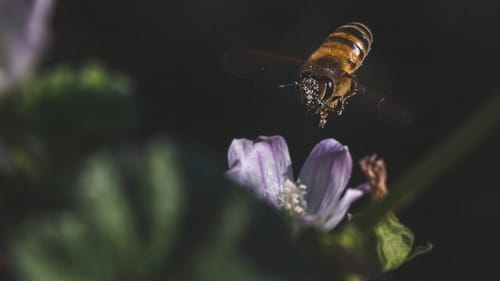
An Alarming Decline in Bee Populations
This is the most troubling trend that worries farmers. Beekeepers have reported winter losses exceeding 60% of honeybee colonies on the higher end, often representing a dramatic and unsustainable decline (Facebook). Although honeybees receive significant attention, native bee populations, including bumblebees and solitary bees, are also experiencing declines, often with less public awareness than most people realize.
Multiple factors has contributed to this decline in Tennessee and elsewhere. Habitat loss is among the most significant. Development for housing, agriculture, and infrastructure leads to the disappearance of natural meadows and wildflower habitats. Well-maintained lawns, which are common in suburban Tennessee, provide minimal food or shelter for pollinators.
Pesticides and herbicides are another major contributor of the dwindling population. Modern agriculture often relies on chemicals, especially insecticides designed to kill pests. Unfortunately, these chemicals don’t always help more than which they harm. Bees are exposed through nectar, pollen, and direct contact, leading to both immediate toxicity and long-term colony health issues (Wikipedia).
Climate change is further hindering as well as contributing by altering blooming cycles and causing mismatches between flower nectar production and bee activity periods. In combination with parasites and diseases, these pressures result in what scientists describe as a multi-factor decline.

The Critical Importance of Native Bees
Increasing agricultural science data suggests that focusing exclusively on honeybees overlooks broader environmental concerns. Native bees are often more efficient pollinators for local plants and crops and are better adapted to Tennessee’s climate and ecosystems.
Unlike honeybees, which are managed primarily for agricultural purposes, native bees depend exclusively on local habitats. The loss of these habitats directly threatens their survival. Studies indicate that more than half of native bee species are in decline, raising significant concerns for fruit tree crop production and food security (Wikipedia).
In Tennessee, mason bees, leafcutter bees, and bumblebees are super essential for pollinating a range of plants, including wildflowers and crops like tomatoes and berries. The loss of these species would significantly disrupt the state’s ecological balance.
The Role of Native Plants in Bee Restoration
Planting native species is among the most effective strategies for restoring bee populations.
Native plants have existed alongwide local pollinators over thousands of years, providing the specific nectar, pollen, and habitat required for native bee survival. In contrast, many ornamental or non-native plants, while visually appealing, offer limited nutritional value. Native plants are integral components of a functioning ecological system.
In Tennessee, the state has installed native wildflowers, grasses, and shrubs into landscapes can substantially enhance pollinator health. State roadside programs have demonstrated success; (Tennessee State Government).

Small things, such as establishing backyard landscapes and yards with native plantings, can also make a very powerful contribution. When homeowners replace sections of their lawns with native species, they create micro-habitats that support bees throughout the growing season.
Minimizing Chemical Inputs in Landscapes
Reducing the use of herbicides, insecticides, and pesticides represents another essential measure.
Although these chemicals are commonly applied to control weeds and pests, they frequently produce unintended consequences. Insecticides, in particular, are highly detrimental to pollinators, causing both lethal and sublethal effects that weaken bees over time (Wikipedia). Herbicides, which target plants, can also diminish the availability of flowering species essential to bees.
Completely discontinuing pest control is not necessary; an easier and more sustainable method of Integrated pest management (IPM), by using organic gardening methods and targeted treatments, can reduce harm to pollinators while maintaining healthy crops and landscapes.
Reducing harmful chemicals like herbicides, insecticides and pesticides enables ecosystems to achieve natural balance. There’s many needed insects, birds, and other wildlife that can contribute to pest control without reliance on intensive chemical interventions.
Recommendations for Bee Population Recovery in Tennessee
Bee populations have the potential to recover when provided with appropriate environmental conditions.
Restoration efforts do not necessitate large-scale changes; they can begin with individual actions such as the following:
- Planting native flowers that bloom from early spring through late fall
- Leaving some areas of land undisturbed for nesting
- Reducing or eliminating pesticide use
- Supporting local conservation efforts and pollinator-friendly policies
Communities, counties and local government throughout Tennessee are already using these strategies. Urban pollinator gardens in Nashville and conservation programs along highways and rural areas demonstrate increasing public awareness and engagement.
The health of bee populations is dramatically linked to the overall health of the land. Selecting native plants and minimizing chemical inputs not only benefits bees but also contributes to restoring ecological balance.
Given Tennessee’s rich natural heritage, the protection of its ecosystems and pollinators is of significant value.
Author: Tammy Sons
Tammy Sons has built her reputation around a deep-rooted passion for native plants, drawing from generations of hands-on experience in the nursery industry. She strongly advocates for planting native species, recognizing their ability to support pollinators, restore natural ecosystems, and thrive with less maintenance in their native environments.
TN Nursery