The beauty industry is one of the fastest-growing and most influential markets right now. In stores and on social media platforms, you might discover newly launched products every year or every season. Sales and discounts encourage people to buy more. This results in billions of beauty and skin care packaging ending up in landfills and oceans. Aside from the waste, products may contain a range of synthetic chemicals that can be absorbed through the skin.
Sustainable beauty and skin care is a growing trend that aims to reduce the environmental impact of products. This movement encourages conscious choices that have a positive impact on the planet and your health.
The Rise of Conscious Beauty

Conscious beauty motivates modern consumers to learn more about health-related and planetary consequences of beauty products. For example, in an FDA analysis, as many as 570 cosmetic products use PFAS or per- and polyfluoroalkyl substances, also known as forever chemicals.
Conscious consumers consider ingredient transparency, ethical sourcing and more eco-friendly business practices as key factors in purchase decisions.
The skin care market is expected to reach over $145 billion by 2028. With such explosive growth, it is crucial that you stay up to date with the evolving landscape of sustainable beauty.
Common Chemicals to Avoid in Your Skin Care
Your skin care products contain a number of ingredients that could be either safe or harmful to your body. Being able to decipher which ones to avoid is a necessary skill in today’s market.
Many beauty products may contain synthetic ingredients that can be detrimental to your long-term health. These chemicals can disrupt your skin’s microbiome and possibly introduce toxins to the body.
Here are some of the top ingredients to avoid in your skin care products:
- Parabens: Endocrine disruptors, such as methylparaben and propylparaben, that interfere with normal hormone functioning.
- Phthalates: Endocrine-disrupting chemicals that could also potentially lead to reproductive health issues.
- Sulfates: Harsh detergents that strip the skin and the scalp of its natural protective oils.
- Synthetic fragrances: Unregulated chemicals that can cause skin irritation, headaches and respiratory issues.
Rethinking the Beauty Counter’s Footprint
As a consumer, the most powerful thing you can do is to carefully vet anything you buy.
The Promise of Zero-Waste Skin Care
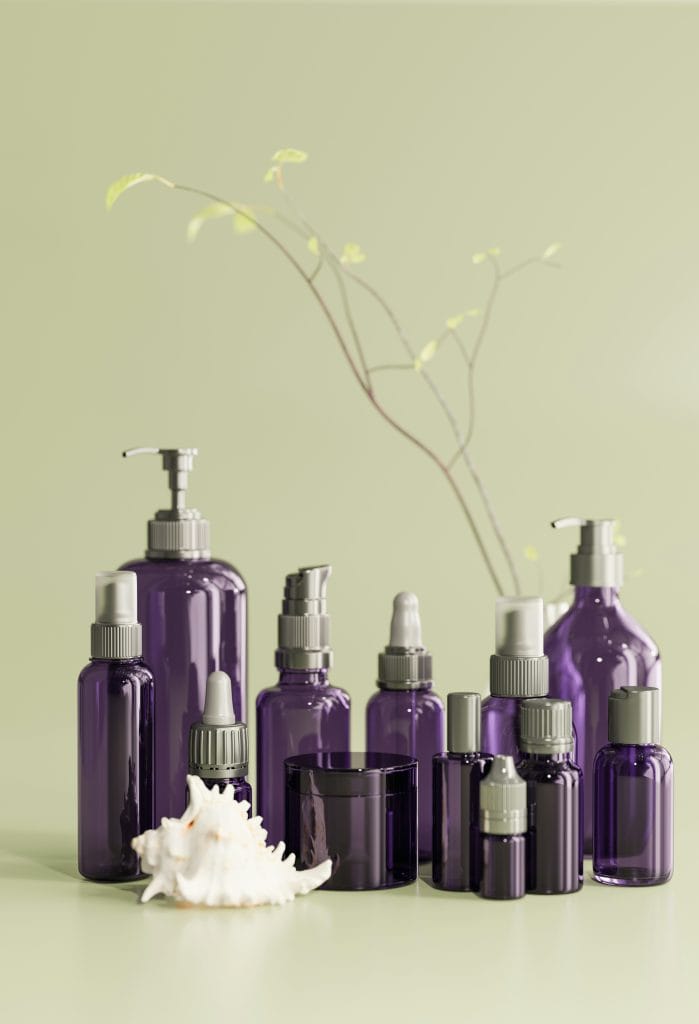
Around 62% of cosmetic industry plastic packaging is non-recyclable. Single-use plastic creates monumental levels of waste that would take centuries to break down. Zero-waste skin care is designed to mitigate waste through innovative packaging solutions and refillable formats. Some companies are changing their packaging from plastic to recyclable glass, aluminum or post-consumer recycled plastics.
On the other hand, other companies are looking to invest in creating solid products, such as shampoo, conditioner, lotion and facial cleansers in bar form. This drastically reduces packaging and water usage.
Refillable systems are another great initiative where consumers can keep primary containers and merely refill items such as creams, moisturizers and colognes. Other eco-friendly products can range from plain baking soda for DIY cleaning to recycled paper towels.
Water, Waste and Your Carbon Footprint
A single beauty product’s impact goes beyond its packaging. True sustainability should start at the supply chain.
Many products consume large amounts of water. Waterless formulations, such as for balms, oils and solid bars, are better sustainable alternatives. These product types conserve the planet’s most precious resource.
Another factor is sustainable sourcing. Ingredients should be harvested in ways that protect the ecosystem’s biodiversity and local communities. Fair Trade certified ingredients for items such as shea butter, argan oil and coconut butter ensure that farmers and workers are receiving fair and livable wages.
Transporting goods is also a huge source of carbon emissions in the beauty and skin care industry. Using local raw ingredients and producing smaller, lighter packages are more sustainable choices.
How to Become a Sustainable Beauty and Skin Care Expert
Here are some simple ways to make more thoughtful skin care choices as a consumer.
Scrutinize Certifications, Not Just Claims
You need to be wary of greenwashing, where companies make misleading claims in the guise of pro-environmental practices. Make sure to check for trusted, third-party certifications to ensure authenticity. The Leaping Bunny logo is the gold standard for ensuring cruelty-free testing, while ECOCERT and USDA Organic seals indicate that ingredients are grown without synthetic pesticides.
A B Corp certificate assures consumers that the company meets high, verified standards of social and environmental practices throughout its operations.
Adopt a Minimalist Mindset
The most sustainable beauty product is one that you don’t buy. A minimalist routine reduces consumption and waste. Additionally, you can look for multi-purpose products, such as tinted moisturizers and all-in-one nourishing oils.
You can also extend sustainability beyond your skin care routine. Adopt the same principles in household items, cleaning products and in other areas of life.
Your Skin Care Routine and Its Environmental Impact
Choosing zero-waste skin care and sustainable beauty is an empowering choice for self-care and the care of the planet. Each conscious decision, sustainable action and product swap is a vote toward a more ethical, transparent and environmentally-responsible beauty industry.
About the Author

Chloe Powell is the Senior Editor at Revivalist Magazine, where she explores all aspects of women’s lifestyle, including beauty, wellness, travel, and mindful living. She enjoys offering fresh, thoughtful inspiration and ideas to help readers thrive in their everyday lives.