From Farm to Teacup: Sustainable Practices in Herbal Tea Production
A warm, fragrant cup of tea is more than just a comforting ritual — it’s a connection to nature, tradition, and health. Herbal teas, in particular, have long been used for their healing properties, helping with everything from digestion to stress relief.
However, the journey from farm to teacup isn’t always sustainable. The demand for premium herbal blends has led some producers to prioritize mass production over environmental responsibility. In this post, we will dive deep into a few sustainable practices that can be implemented in herbal tea production.
The Environmental Impact of Herbal Tea Production
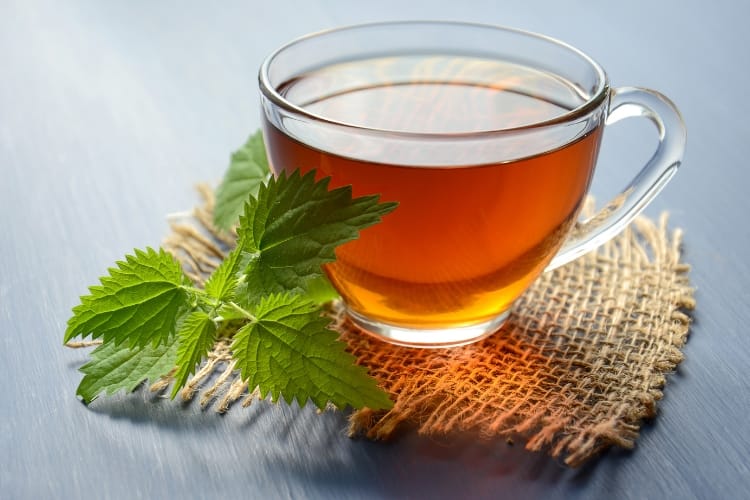
Tea cultivation, like any form of agriculture, has an environmental footprint. Large-scale farming can lead to deforestation, soil degradation, and excessive water use. The widespread application of pesticides and chemical fertilizers can also harm ecosystems. Sustainable tea production seeks to counter these issues using organic farming techniques, ethical sourcing, and mindful packaging. Fortunately, brands like Magic Hour are redefining the industry by embracing eco-friendly practices and prioritizing people and the planet.
Sustainable Farming: A Holistic Approach
Eco-friendly tea cultivation starts at the source. Farmers who adopt sustainable practices focus on soil health, biodiversity, and water conservation.
- Regenerative Agriculture: Unlike conventional farming, which depletes soil nutrients, regenerative techniques replenish the land. Cover cropping, composting, and crop rotation improve soil fertility and reduce the need for synthetic fertilizers.
- Organic Cultivation: Avoiding pesticides ensures that tea plants grow without harmful residues that can affect both human health and wildlife.
- Water Management: Drip irrigation systems and rainwater harvesting help reduce excessive water use while ensuring consistent hydration for crops.
Tea farms can produce high-quality herbs without harming the environment by using these methods.
Ethical Sourcing: Supporting Farmers and Communities
Sustainability goes beyond the environment — it also involves fair treatment of farmers. Many herbal teas originate from small farms in developing regions, where labor conditions can be challenging. Ethical brands partner with these growers, offering fair wages and better working conditions.
- Fair Trade Certification: This ensures that farmers receive a fair price for their crops, empowering them to invest in their land and communities.
- Direct Trade Relationships: Some companies work directly with farmers instead of middlemen, providing better income opportunities and ensuring quality control.
- Empowering Women in Agriculture: Many herbal teas, such as those designed for women’s health, are cultivated by female farmers. Supporting these growers contributes to economic independence and gender equality.
By prioritizing ethical sourcing, tea brands can create positive social change while delivering premium, health-supporting blends to consumers.
Processing Methods: Keeping It Pure and Potent
Once harvested, tea leaves and herbs go through processing that affects both flavor and health benefits. Sustainable tea producers use natural drying and preservation methods to maintain potency without unnecessary chemicals.
- Sun-Drying and Low-Temperature Processing: Some farmers sun-dry herbs to retain their essential oils and nutrients instead of energy-intensive industrial drying.
- Hand-Picked Harvesting: While machine harvesting can damage delicate leaves, hand-picking ensures better quality control and reduces waste.
- Minimal Processing: Herbal teas often require less refinement than black or green teas, making them naturally more sustainable when carefully prepared.
These methods help preserve the beneficial compounds in herbal teas, making them a healthier choice for consumers.
Packaging: Reducing Waste and Plastic Pollution
Many tea products come in excessive packaging, including plastic-wrapped tea bags and non-recyclable materials. Sustainable brands address this issue by choosing biodegradable, compostable, or reusable options.
- Compostable Tea Bags: Made from plant-based fibers, these bags break down naturally without leaving microplastics in the environment.
- Plastic-Free Wrapping: Switching to recyclable or compostable paper-based packaging minimizes waste.
- Reusable Tins and Glass Jars: Some brands offer tea in refillable containers, reducing single-use packaging.
Consumers can also contribute by choosing loose-leaf tea, which often has less packaging and offers a fresher taste.
The Role of Consumers: Making Conscious Choices
Sustainability in herbal tea production doesn’t stop at the farm. Consumers play a vital role by supporting brands in prioritizing ethical and environmental practices.
- Look for Certifications: Labels such as USDA Organic, Fair Trade, and Rainforest Alliance indicate sustainable sourcing.
- Buy in Bulk: Purchasing larger quantities reduces packaging waste and saves money in the long run.
- Brew Mindfully: Using a reusable tea infuser instead of single-use tea bags minimizes waste.
Tea lovers can enjoy their favorite blends by making these choices while minimizing their ecological footprint.
Innovating for a Greener Future
The tea industry is evolving, with new technologies and innovations making herbal tea production even more sustainable.
- Agroforestry: Growing tea alongside native plants helps restore biodiversity and prevents deforestation.
- Renewable Energy in Production: Some tea companies are shifting to solar or wind power to reduce carbon emissions.
- Zero-Waste Initiatives: Brands use tea waste creatively, such as repurposing stems and leaves for compost or skincare products.
These advancements show that sustainability is not just a trend—it’s the future of tea.
Conclusion
Herbal tea offers more than just health benefits — it represents a commitment to the planet and the people who cultivate it. Consumers can enjoy their favorite brews by choosing sustainably sourced teas while supporting ethical farming, fair labor, and environmental responsibility. Several tea brands are leading the way, proving that premium tea can be luxurious and sustainable. Every sip tells a story of care, craftsmanship, and a better future for tea lovers worldwide.