Editor’s note: I see sustainable art less as a fixed category and more as a set of accountable choices. For this piece, the most meaningful details are not just that the artists care about the planet, but how that care shows up in their materials, studio habits, transport, and willingness to talk openly about trade-offs. No artwork is impact-free, but transparency helps collectors, curators, and readers understand what is genuinely being reduced, reused, or rethought.
How to Assess Sustainable Art Beyond the Label
“Sustainable art” can mean many different things, so it helps to look for specific, verifiable practices rather than broad claims. If you are buying, exhibiting, or writing about eco-conscious artwork, consider asking a few practical questions:
- What materials were used? Look for reclaimed wood, recycled paper, found objects, natural fibres, low-VOC paints, or responsibly sourced supports such as FSC-certified panels and stretcher bars.
- Were hazardous materials reduced or avoided? Some pigments, resins, aerosols, and solvents require careful handling and disposal. Artists using water-based mediums, closed solvent containers, or safer studio ventilation are making measurable improvements.
- How durable is the work? Longevity is part of sustainability. A piece that is well constructed, properly sealed, and easy to conserve may have a lower long-term footprint than one made from “eco” materials that quickly degrade.
- How is the artwork packed and shipped? Reused crates, recyclable padding, consolidated shipping, and local framing can reduce waste and emissions—especially for international sales.
- Can the artist explain the process clearly? Strong sustainability claims should be specific: what was reused, what was avoided, what was sourced locally, and where compromises were necessary.
For collectors, one useful step is to ask for a short materials statement alongside the certificate of authenticity. This does not need to be complicated; even a few lines about the support, pigments, finish, packaging, and care instructions can make the artwork’s environmental story more transparent and easier to preserve over time.
Sustainable Art: As we all become more aware of the degrading impact we have on our home planet, more artists are stepping up to talk about it. As visual messengers, works of art have always brought to light issues pertaining to the present. Once again, some artists are using their gift to not only bring attention to this very relevant topic but also use this as an opportunity to limit their own environmental impact by modifying the creation process.
Victory Art, founded in 2018 with the goal of bringing the outstanding contemporary art of emerging Central and Eastern European artists to international attention, is driven by a strong concern for sustainability. Three Victory artists–Nad’a Kucerova, Monika Slemc, and Jagoda Kalisz–share what inspires them to create their works with a focus on sustainability.

Naďa Kučerová

I want to be part of a new generation that depends on the future of the planet, the environment, and people. I have never been indifferent to nature or our environment, so I try to work with materials that are more considerate of it.
I have always liked to experiment and like non-traditional techniques and different materials. Paper is something so ordinary, and at the same time, it can be made into such unusual things. I like clean work as well as a clean environment so for me it was love at first sight.
Nad’a
Monika Slemc

To be honest, being categorized as a sustainable artist was a bit of coincidence since I don’t necessarily categorize myself as one. There are different views about sustainable art. Some artists define it as artwork that deals with or critiques environmental issues, while others identify as Eco Artists because their materials and studio practices have a green footprint or are primarily made using recycled materials.
To be honest, I only think about making artwork as creatively as I can. All those materials I have at home and I was just interested in making something different than just using the normal canvas and paint.
I simply started by recycling my old graphics. I did not know what to do with them; I did not like them anymore but I also was reluctant to throw them away. So this recycling led to the decollages. Slowly I started adding more renewable materials. Consequently, one thing led to another and I found myself immersed in sustainable art.
While my start in sustainable art may be accidental, I still do have the environment in mind. I think that we only have one planet Earth and we have to take care of it, for a better tomorrow. As the currently occurring coronavirus has proved – we are capable of changing and adopting. Artworks help raise awareness about ecological issues and help see things through something different lens than just the cruel reality that we live in. I really like this sentence that I found on the Internet: ‘Sustainable art brings the earth and the art into aesthetic harmony’.
Monika

Jagoda Kalisz
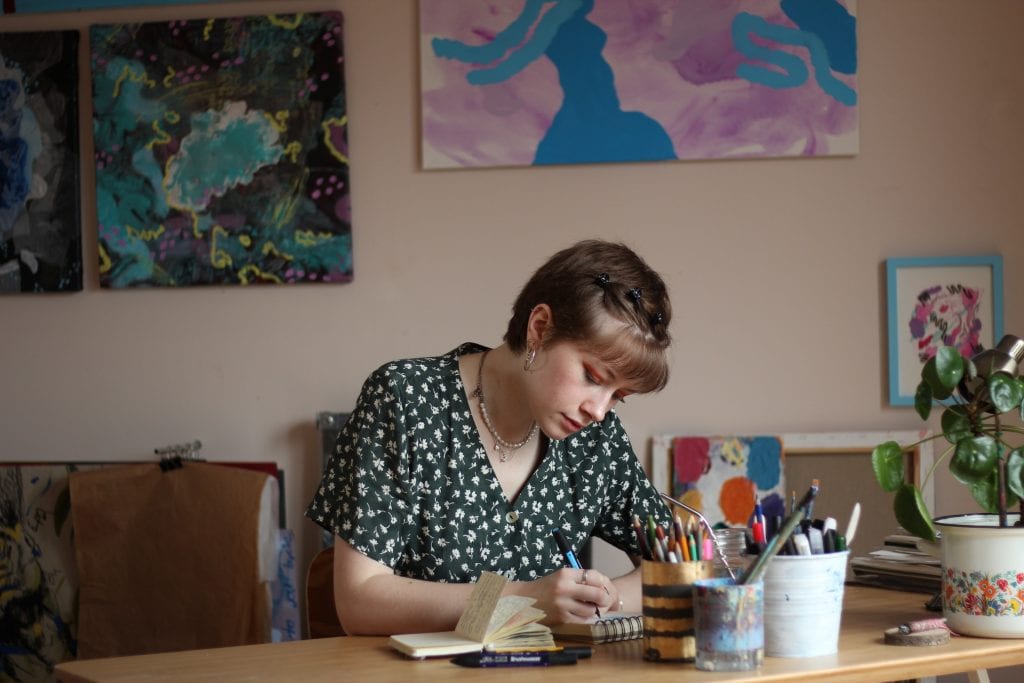
Some years ago I started thinking about the environment and what are the current problems it is facing. That prompted me to think about what I can do to change my lifestyle to a more eco-friendlier one. Consequently, I started to eat differently and to structure my entire life around what I believe is the most important: strong empowerment of nature all ideas surrounding this concept. I try to think a lot about what I am buying and these considerations are also reflected in the materials I use in my art.
The message I am trying to transmit is that we need to consider the consequences of our actions on the environment and then try to think about what we can do to make them better. I believe it is important to instead of thinking only about our human needs to start considering what can be both good and beneficial for all of us and for the future at the same time.
Jagoda
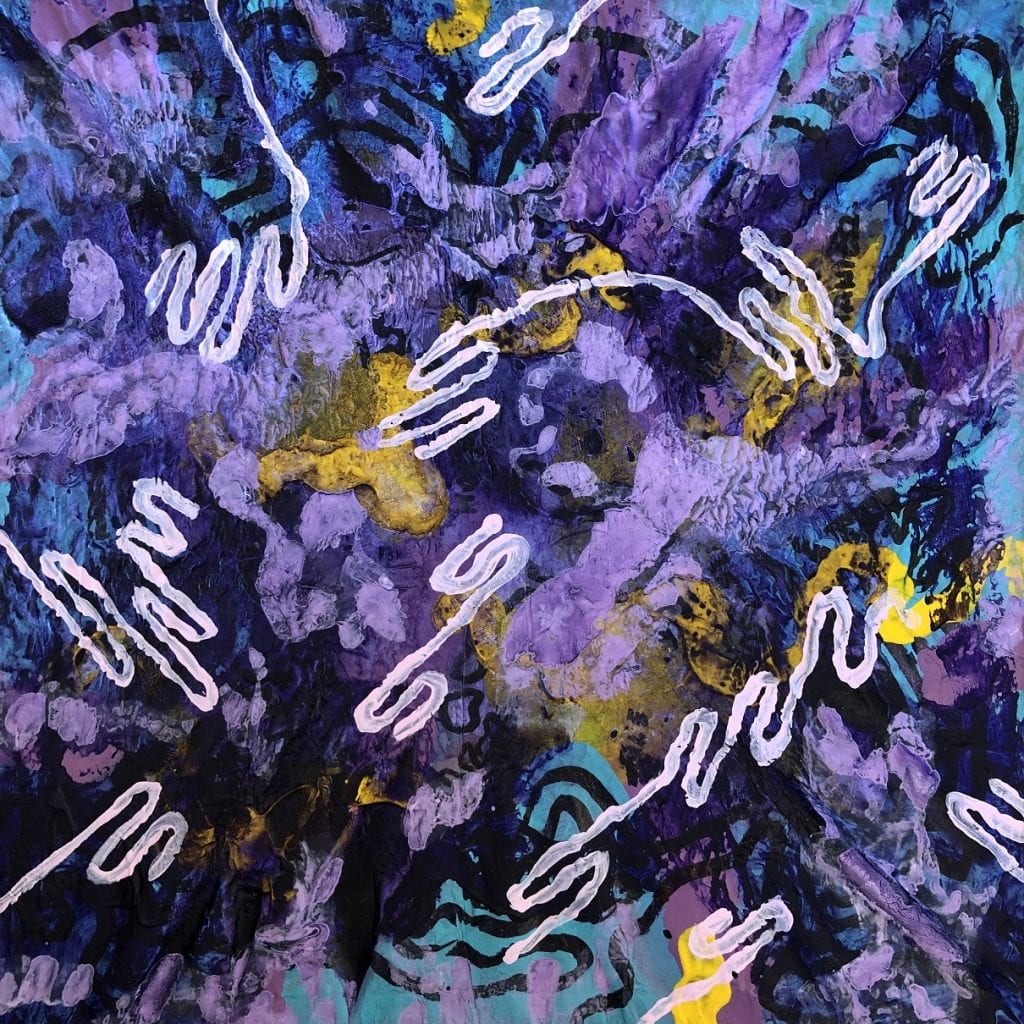
You can find artworks by Nad’a, Monika, and Jagoda on www.victoryart.eu. Victory Art represents emerging Eastern and Central European artist to help them gain more access and exposure in the international world. Victory Art recently introduced a sustainable art section to the website to help honour the resilient movement against climate degradation.