Electric cars have taken off in recent years, and with grants, tax credits, and growing infrastructure support, there is a lot pushing consumers toward electric vehicle (EV) ownership. But one concern still lingers for many drivers, especially those outside city centers: range anxiety.
Range anxiety is the fear that your battery will run too low before you can recharge. It sounds simple, but it can shape everything from route planning to whether someone feels comfortable buying an EV at all. For new drivers especially, it is often less about actual battery performance and more about uncertainty: where to charge, how long it will take, whether the charger will work, and what happens if a trip does not go to plan.
The good news is that range anxiety is usually manageable. With a bit of forethought, the right apps, and a better understanding of how EV driving differs from combustion-engine driving, most drivers can reduce it dramatically. This article looks at why range anxiety happens, how to plan around it, and what habits genuinely help.

Key Takeaways
- Range anxiety is often more about uncertainty than actual battery limits.
- Trip planning, charger familiarity, and realistic charging buffers can reduce stress dramatically.
- EV driving works best when you stop thinking like a petrol driver and start thinking in charging opportunities.
- Charging to 100% all the time is usually unnecessary for daily life and may not be the best long-term habit for the battery.
- Most range anxiety becomes easier to manage once drivers build confidence with their own vehicle, route patterns, and charging options.
In Focus: Key Data
- Charging growth: the U.S. public EV charging network has grown far beyond the old “46,000 charging points” figure often quoted in earlier articles, which means the infrastructure picture is improving even if coverage is still uneven.
- Location gap: charger access is still much denser in cities and along major corridors than in rural or remote areas, which helps explain why anxiety is often geography-specific.
- Real-world planning: range depends on more than the quoted battery figure. Speed, weather, terrain, heating, cooling, and driving style all influence what drivers actually get on the road.
Why Is Range Anxiety a Thing?
Range anxiety is ultimately about trust. Drivers want to trust that the car will get them where they need to go, that the charger they are aiming for will be available and compatible, and that a small change in weather or traffic will not strand them. With petrol cars, people are used to frequent stations, short refueling times, and decades of habit. EVs require a different mental model.
In smaller countries or more charger-dense regions, electric car range anxiety can feel less intense because charging points are easier to reach and detours are less consequential. In larger countries like the United States, the situation is different. If you are far from a city center or a major highway, public chargers may be much less frequent, and that uncertainty can make drivers feel more exposed.
Earlier discussions of range anxiety often focused on the number of public charging points alone. That still matters, and the US Department of Energy’s Alternative Fuels Data Center remains one of the most useful official tools for locating them. But the issue is broader than charger count. Range confidence also depends on charger reliability, charging speed, connector compatibility, and whether a driver knows what backup options exist if a stop does not work out.
Another reason range anxiety persists is that people often compare EVs to petrol cars on petrol-car terms. That framing can be misleading. An EV is not simply a combustion engine that happens to need charging. It works best when drivers think in terms of opportunity charging, route planning, and battery management rather than waiting until the last possible moment and then “filling up.”
That difference does not make EVs worse. It just means they reward a slightly different approach to driving.
How to Deal With Range Anxiety
There are several practical ways to reduce range anxiety, and most of them are not complicated. The biggest shift is moving from reactive thinking to proactive thinking. Instead of hoping a charger appears when you need one, you build a simple plan before the journey starts.
Plan your journey
When driving an EV, planning a journey matters. That does not mean every trip needs military-level logistics, but longer drives do benefit from some forethought. You should know your starting charge, your likely stopping points, and what chargers are available near your route before you set off.
The US government provides a map with charging locations and route-planning tools. Used well, it can help you build charging stops into the trip rather than scrambling for them later. That alone removes a lot of uncertainty.
Planning also helps you keep a buffer. Many drivers feel calmer when they stop well before the battery gets critically low. That buffer gives you room for detours, queues, weather changes, or a charger that turns out to be unavailable.
Things to consider when planning a journey
- Your starting charge: know what percentage you will actually leave home with, rather than assuming you will “top up later.”
- Charging speed: whether a charger is a fast charger or a slower one will dramatically affect stop times.
- Compatibility: check whether the charger works with your vehicle and connector type before relying on it.
- Backup options: identify at least one alternative stop nearby in case the first charger is busy or offline.
- Road conditions: speed, terrain, weather, and traffic can all change real-world range.
Choose hotels with EV chargers
For road trips, overnight charging can remove a lot of pressure. Instead of trying to squeeze every kilometer out of a battery late in the day, you can stop somewhere that lets the car charge while you rest. That means you start the next morning with more confidence and less need to hunt for a charger immediately.
Many hotels now offer EV charging, either complimentary or for a relatively small fee. There is a fantastic app called EVHotels that helps users find accommodation with charging points and compare the available details. For longer trips, that kind of planning can make EV travel feel much more natural.
Leave more margin than you think you need
One of the simplest ways to reduce anxiety is to stop aiming for the absolute edge of the battery. If your route technically works with a very low arrival percentage, that may still feel stressful in practice. Weather, detours, queues, or a missed turn can erode that margin quickly.
Drivers who leave themselves a healthier buffer usually feel more relaxed and make better decisions. The goal is not to prove how close you can cut it. It is to travel confidently.
Learn your own car’s real-world behavior
Official range figures are useful, but they are not the same as lived experience. Once you have spent time with your own EV, you begin to understand how it behaves in cold weather, on highways, in stop-start traffic, on steep grades, or with the climate control running hard. That personal familiarity matters.
A lot of range anxiety fades once drivers stop treating the car as an abstract machine and start understanding its actual patterns. Confidence usually grows from repetition, not from marketing claims.
How to Increase the Range of Your EV
While driving an EV, there are a number of practical ways to stretch range. Some overlap with efficient driving habits in general, while others are more specific to electric vehicles.
Regularly service your EV
Routine servicing helps keep the vehicle operating as it should. While EVs usually need less maintenance than combustion cars in some areas, tire condition, alignment, software health, and general mechanical condition still affect efficiency and overall reliability. If the vehicle is not running properly, range confidence suffers too.
Do not charge to 100% by default
For everyday driving, many manufacturers recommend charging to around 80% or 90% rather than always going to full. This can help support battery longevity over time, while still giving most drivers more than enough range for normal use. Full charges are still useful for longer journeys, but they do not need to be the default every single day.
This also changes the psychology of range anxiety. Once you stop assuming the car must always be “full” to feel safe, you start building a more realistic relationship with charging. For many drivers, a healthy daily routine matters more than chasing the biggest possible number on the screen.
Use regenerative braking well
Most EVs already include regenerative braking as part of their core design, and learning how to use it effectively can improve efficiency. Rather than thinking of it as something you need to “fit,” it is better to treat it as a tool you can use more intelligently. Smooth driving, anticipation, and effective regenerative braking can all help recover some energy and make range more predictable.
Drive more efficiently
Higher speeds, aggressive acceleration, heavy climate control use, and poor route choices can all reduce range. Some of the same habits associated with hypermiling can help, although most drivers do not need to take them to extremes. The main point is to drive smoothly, avoid unnecessary energy waste, and understand what conditions reduce efficiency the most.
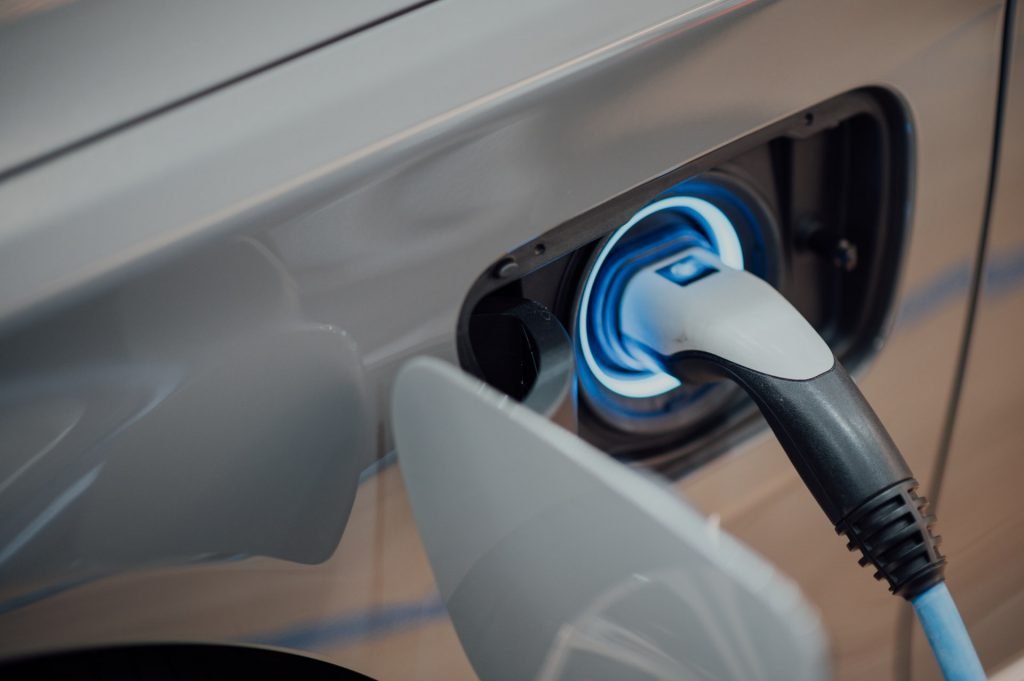
Will Range Anxiety Be a Thing of the Past Soon?
It is unlikely to disappear completely, because every transport system comes with some kind of uncertainty. But it may become much less significant as charging networks expand, vehicles improve, and drivers gain familiarity. In many places, the infrastructure picture is already better than it was when early EV anxiety narratives took hold.
As countries develop and charging infrastructure grows, the practical barriers behind range anxiety should continue to shrink. More public chargers, faster charging, better route integration, and improved battery performance all help turn what used to feel like a gamble into a manageable planning exercise.
That said, “soon” depends on geography. Dense urban networks and major travel corridors are improving faster than many rural areas, and that unevenness is a big reason the issue still feels real to many drivers. The future is moving in the right direction, but confidence often arrives region by region rather than all at once.
FAQ
What is range anxiety?
Range anxiety is the fear that an electric vehicle will run out of battery before reaching a charger or destination.
Is range anxiety still a real problem?
Yes, but it is often more about uncertainty and infrastructure gaps than about modern EV batteries alone. It tends to be worse in areas with fewer chargers or longer rural distances.
How can I reduce EV range anxiety quickly?
Plan routes in advance, keep a battery buffer, know your charger options, and use official tools and apps to check compatibility and availability before you travel.
Should I charge my EV to 100% every day?
Usually not. Many drivers benefit from charging to around 80% or 90% for daily use, while saving full charges for longer trips when the extra range is genuinely useful.
Does regenerative braking really help?
Yes. Used properly, it can improve efficiency and make range more predictable, though it is only one part of a broader efficient-driving approach.
Final thoughts
Range anxiety is understandable, especially for new EV drivers or people traveling in charger-sparse areas. But it is not an unsolvable problem. In most cases, it becomes much more manageable once drivers understand their vehicle, plan their routes sensibly, and stop expecting electric cars to behave exactly like petrol cars.
The more familiar drivers become with charging patterns, battery buffers, and real-world route planning, the less intimidating EV travel tends to feel. Confidence grows with experience, and for many people, range anxiety fades once the unknowns start to disappear.
About the Author
Kitty Bates is a Consumer Spokesperson for Keith Michaels, a leading specialist in insurance for modified cars, EVs and convicted drivers, that works with consumers to lower their car insurance prices.