Material testing is central to adaptive design because it helps architects and sustainability professionals evaluate how construction materials perform under changing environmental conditions. Within sustainable construction, adaptive design focuses on creating buildings that remain energy-efficient and resilient despite climate pressures and regulatory standards.
The built environment faces stricter emissions targets and frequent extreme weather events. Thus, testing procedures have become essential for validating low-carbon materials and predicting life cycle performance. Material science also provides data that improves durability and guides the development of climate-responsive buildings and infrastructure.
Why Material Performance Matters in Sustainable Architecture
Building materials influence embodied carbon and occupant health in the built environment. Choices affect energy consumption, maintenance frequency and a structure’s ability to withstand environmental stress over time. Sustainability goals have become more ambitious, so infrastructure planners rely on life cycle thinking to evaluate environmental impacts from extraction and demolition.
Poor material selection can accelerate deterioration and leave buildings more vulnerable to flooding, heat and other climate-related risks. It can also take 80 years to make up for the impacts of demolishing an existing building and constructing a new one, which reinforces the value of adaptive reuse. Advanced testing procedures improve confidence in alternative materials by validating durability and long-term performance.
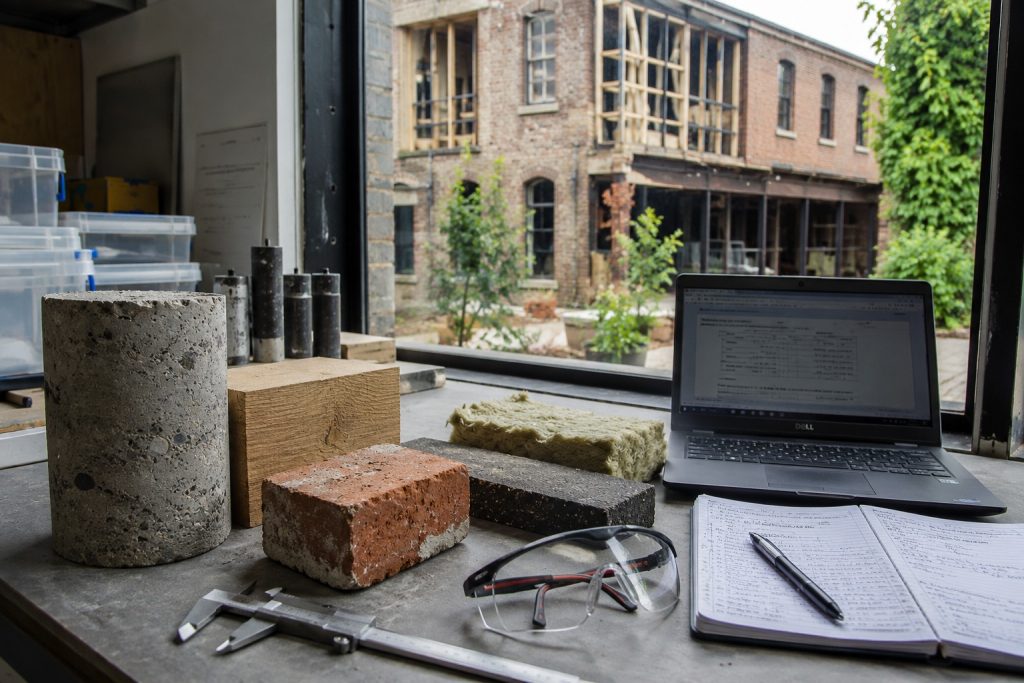
The Role of Material Science in Adaptive Building Design
Sustainability consultants rely on material performance data to guide adaptive design strategies that improve long-term building performance. Testing results help professionals evaluate how materials respond to heat, moisture and other environmental stressors that contribute to structural degradation.
This information supports predictive performance modeling and allows project teams to simulate how buildings and infrastructure may perform under future climate conditions. Effective adaptive design depends on balancing structural integrity and occupant safety with lower environmental impact and long-term sustainability goals.
How Material Testing Supports Sustainability Goals
Testing procedures help validate the safety and environmental claims associated with construction materials before they are used in large-scale projects. Performance evaluations confirm whether they can meet structural requirements and indoor environmental standards under real-world conditions. Testing material limits also plays a crucial role in developing new products and assessing how manufacturing processes influence long-term reliability.
As sustainability regulations become more demanding, material testing provides measurable data for green building standards and environmental reporting. These evaluations also help reduce construction waste because they identify materials with longer service lives and lower failure risks. Performance-driven validation encourages wider adoption of sustainable items by increasing industry confidence in their safety and long-term effectiveness.
Material Testing Techniques That Promote Sustainable Building
Material testing techniques help construction professionals evaluate how building materials perform under operational stress. These procedures improve durability and validate the long-term performance of sustainable items before large-scale implementation.
Mechanical Strength Testing
Tensile and compression testing help engineers evaluate how construction materials respond to repeated stress, heavy loads and long-term environmental exposure. These procedures measure strength and resistance to cracking or structural failure, which allows project teams to identify items capable of maintaining performance over extended service lives.
The resulting data reduces premature material replacement and improves life cycle efficiency across sustainable building projects. This information is also critical for reliable design and meeting regulatory or customer requirements, particularly in projects where safety and durability remain essential performance priorities.
Moisture and Water Resistance Testing
Moisture and water resistance testing help construction professionals evaluate how materials perform when exposed to humidity, flooding and prolonged moisture intrusion. These procedures identify vulnerabilities that can contribute to mold growth, corrosion and long-term structural deterioration under changing climate conditions.
Testing also helps engineers and designers select materials that maintain durability and indoor environmental quality in regions facing heavier rainfall and more frequent extreme weather events. Early detection of moisture-related weaknesses also reduces long-term repair costs and improves overall building resilience.
Fire Resistance Testing
Sustainable construction materials must still meet strict fire safety standards to ensure occupant protection and regulatory compliance without compromising environmental performance goals. Fire resistance testing helps engineers evaluate how low-carbon and bio-based materials respond to extreme heat, smoke generation and flame exposure.
These evaluations are especially important as the industry adopts innovative materials that may behave differently from traditional construction products during fire events.
Making sustainability and resilience decisions at different stages in the building planning and design process can also result in costly changes near project completion or create unintended hazards in the final structure. Integrated testing and coordinated planning help project teams balance environmental responsibility and long-term building performance more effectively.
Life Cycle Assessment Integration
Life cycle assessment integration helps architects evaluate the environmental impacts associated with material extraction, manufacturing and end-of-life disposal. This data identifies products with reduced embodied emissions and greater reuse potential across construction projects.
Incorporating material testing into life cycle evaluations offers several benefits. It helps teams better understand how maintenance demands and environmental performance influence long-term sustainability outcomes. These insights also support circular economy planning by encouraging adaptive reuse and resource-efficient construction strategies that reduce dependence on virgin raw materials.
Data-Driven Design Decisions in Modern Construction
Digital modeling tools enable engineers to integrate material testing data directly into design workflows for more accurate performance evaluation and long-term planning. Digital twins and simulation software help project teams forecast structural behavior and environmental resilience under different operating and climate conditions.
These technologies combine real-world testing results with predictive analytics to identify systems capable of adapting to future environmental stressors. Testing data also helps professionals assess structural integrity and compatibility before modifying existing buildings. Predictive analytics further support sustainable construction by modeling how structures may perform under rising temperatures and changing urban conditions.
Material Innovation and the Shift Toward Regenerative Construction
Regenerative and circular construction principles focus on extending material life cycles and designing buildings that minimize environmental harm. Rather than following a traditional build-and-dispose model, these approaches prioritize recovery and low-impact material systems throughout the construction process.
A truly circular economy can also be achieved through the adaptive reuse of existing structures, which preserves embodied carbon and limits the need for new raw materials.
Material innovation introduces renewable and bio-based alternatives that lower emissions associated with conventional construction products. Testing procedures help validate scalability, structural reliability and long-term feasibility before widespread adoption in commercial and infrastructure projects.
Sustainable Materials Transforming Green Construction
Sustainable material innovation influences how the construction industry approaches energy efficiency and carbon reduction. Advances in renewable and high-performance materials help developers meet environmental goals while improving life cycle performance.
Self-Healing Concrete
Self-healing concrete uses bacteria-infused or chemical-based systems that activate when cracks form. This feature allows the material to seal small fractures before they expand into larger structural problems. This process helps reduce water intrusion and long-term deterioration, which extends infrastructure lifespan and lowers maintenance demands.
Ongoing material testing also helps engineers evaluate how effectively these systems perform under load stresses and moisture exposure levels. For example, the ARTIS Aquarium in Amsterdam incorporated self-healing concrete into its aquarium structure to ensure a longer service life and reduce future maintenance requirements. As sustainable infrastructure projects prioritize durability and life cycle efficiency, self-healing materials gain attention as a practical solution for resilient construction.
Mycelium-Based Composites
Mycelium-based composites use biodegradable fungal materials grown from agricultural waste to create lightweight insulation and low-impact construction alternatives. These materials require less energy to produce than many conventional building products and can naturally decompose at the end of their service life.
Their role in sustainable building strategies reflects increasing interest in renewable materials that balance performance and carbon efficiency. The Hy-Fi structure in New York demonstrated this concept through bricks cultivated from agricultural waste and fungal organisms that were carbon-neutral and fully compostable. After hosting cultural events for three months, the structure was disassembled and composted to help enrich soil in local community gardens.
Bio-Based Insulation Systems
Bio-based insulation systems made from cork and cellulose reduce heat transfer and support more stable indoor temperatures with lower energy consumption. These renewable materials also carry a smaller environmental footprint than many petroleum-based insulation products because they require less energy-intensive manufacturing.
Innovations in sustainable material manufacturing expand the use of plant-based alternatives across construction projects. Lingrove, a materials research and manufacturing company, replaced a significant portion of fossil-based materials with flax and derived resins in its architectural surfaces. With approximately 72% bio-based content, the company provided an alternative to conventional wall and millwork finishes while supporting lower-carbon interior construction strategies.
Climate Adaptation and Resilience in the Built Environment
Rising temperatures and severe weather events affect material selection priorities across the built environment as developers seek products capable of withstanding harsher environmental conditions. Aging infrastructure and rapid urbanization also increase the susceptibility of urban systems to storm surges and rising sea levels, which places additional pressure on transportation networks and public buildings.
As a result, resilient infrastructure has become a central focus in urban sustainability planning, particularly in regions facing escalating climate risks. Advanced material testing supports these efforts by helping engineers forecast how materials may respond to heat stress and repeated environmental loading under future climate scenarios. Adaptive design strategies further reduce operational risks and life cycle costs by supporting long-term infrastructure resilience.
Challenges Limiting Sustainable Material Adoption
Cost barriers and inconsistent testing standards slow the adoption of innovative construction materials. Many low-carbon and bio-based alternatives remain more expensive than conventional products. At the same time, fragmented supply networks pose additional challenges for large-scale implementation.
The push toward more sustainable building practices has also intensified concerns surrounding the scalability and long-term durability of low-carbon materials.
In fact, the U.S. generated 600 million tons of construction debris in 2018, which highlights the environmental consequences of traditional construction and demolition practices. Integrating innovative materials into existing building codes can also prove difficult because many regulatory frameworks were developed around conventional products.
Addressing these challenges requires stronger interdisciplinary collaboration between researchers, manufacturers and construction professionals to accelerate responsible adoption.
Building Resilience Through Material Innovation
Performance validation enables the safer adoption of innovative low-carbon materials under real-world conditions. As material testing improves life cycle assessment capabilities, construction professionals gain greater confidence in deploying sustainable materials across complex building projects.
Industry leaders and sustainability professionals should treat material science as a long-term strategy for climate resilience and regenerative development within the built environment.
Lou Farrell
Lou is the senior editor of environmental science and technology for Revolutionized, with over four years of experience covering topics related to sustainability, eco-friendly practices, green construction, and much more. He greatly enjoys being able to both pursue his passion for writing, and share his knowledge with others.