The U.S. generates an increasing volume of construction and demolition debris. Renovation projects often discard usable materials, highlighting the dire state of waste management in the built environment. Homeowners should choose sustainable materials for their home improvement projects.
What Are the Principles of a Sustainable Home Renovation?

Homeowners can reduce their home improvement project’s carbon footprint by adhering to these principles when choosing materials.
Prioritizing Renewable and Recycled Materials
Both natural and synthetic materials can be sustainable as long as they’re renewable and can be recycled, thereby reducing their environmental impact. Renewable materials come from sources that naturally replenish over time, such as bamboo and cork. Using them helps manufacturers become less dependent on fossil fuels, hardwoods and other finite materials.
Meanwhile, recycling reduces the need for virgin resources by repurposing materials from existing products for new uses. It prevents waste from ending up in landfills, reducing the ecological impact of its extraction and processing.
Verifying Sustainability Claims
As the market for sustainable materials expands, builders and homeowners must verify whether materials actually perform as expected without compromising safety and environmental standards. Otherwise, they risk falling for inadequate or inaccurate claims and facing increased costs down the line.
Third-party testing organizations assess materials based on established criteria to provide unbiased reports on their safety and efficacy. The evaluations vary depending on the material. They may include verifying insulation properties, moisture levels and emissions of volatile organic compounds (VOCs).
Builders and homeowners can request certification or test results from manufacturers to validate claims about a product’s environmental friendliness. They can also look for Energy Star labels or credentials from recognized organizations that specialize in verifying sustainability claims.
True verification goes beyond standard retail labels. Homeowners should demand an EPD (Environmental Product Declaration) and an HPD (Health Product Declaration) for structural materials. These documents break down the material’s cradle-to-gate lifecycle impacts based on ISO 14025 standards, allowing you to audit the literal kilograms of CO2 equivalent ($CO_2e$) embedded in the product before installation.
Ensuring Supply Chain Transparency
Transparency allows stakeholders to fully verify sustainability claims to reduce the risk of greenwashing, which is when companies misrepresent their environmental performance. Knowing the origins of materials helps ensure ethical sourcing practices.
For example, digital ledgers can track the material from extraction to use. They can inform stakeholders whether timber was harvested legally and whether recycled content was fully integrated into the final product. By confirming these details, engineers can ensure their projects truly uphold ethical and environmental standards.
Sustainable Products for Eco-Friendly Home Renovations
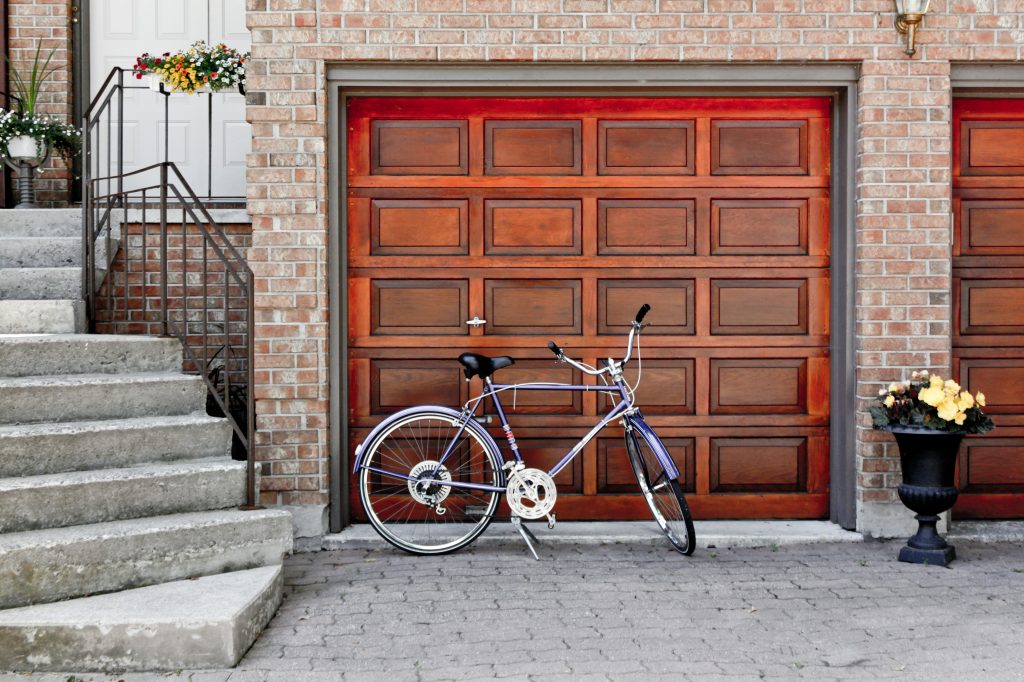
Besides reducing the project’s environmental impact, renovating with sustainable materials can enhance the new feature’s functionality and longevity. Consider these eco-conscious choices.
1. Aluminum Garage Doors
Aluminum accounts for roughly 2% of greenhouse gas emissions, which is significantly lower than the footprint of other metals. Lightweight, versatile and durable, this material can also be recycled repeatedly, which makes it well-suited to various home features.
The best value garage doors for home renovations on the market often use aluminum. They can resist rust, dents and fading, which makes them ideal for various climates. These benefits also translate into less material waste, as they reduce the need for frequent replacements.
Companies like Clopay® take a step further by integrating advanced insulation technology into their garage doors. The added specialized padding improves energy efficiency, reducing heating and cooling costs and contributing to a smaller carbon footprint. Some of the best garage doors for home renovations also feature customizable glass panels to control privacy and natural light.
When auditing an aluminum garage door’s carbon footprint, the metal is only half the story; the insulation core matters equally. Ensure the door utilizes polyurethane injection-molded cores rather than polystyrene. Polyurethane provides a significantly higher R-value per inch and, if manufactured with modern HFO (hydrofluoroolefin) blowing agents instead of older HFCs, reduces the door’s direct global warming potential (GWP) to near zero.
2. Recycled Glass Countertops
Recycled glass countertops are manufactured from post-consumer glass waste. The recycling process means it has a lower environmental impact than manufacturing traditional stone and resin surfaces. Durable, nonporous and stain-resistant, recycled glass can mimic the look of luxury stone countertops with lower carbon emissions.
Brands like IceStone also use manufacturing processes that produce zero harmful VOCs, helping maintain indoor air quality. Products combining glass and concrete offer an attractive alternative for environmentally conscious homeowners.
3. Bamboo Flooring
Bamboo is a highly renewable resource. Some species can grow 50 centimeters daily, while others can reach 20 to 30 meters in a few weeks. This rapid growth rate makes bamboo an excellent material for flooring and other home features.
Bamboo floors are stylish, durable and moisture-resistant. They typically have a higher tensile strength than many hardwoods, making them long-lasting flooring solutions. Companies like CALI offer bamboo flooring options with certifications that ensure their low VOC emissions and eco-friendly sourcing. Some bamboo flooring varieties also come with a scratch-resistant finish.
However, bamboo’s rapid growth rate must be weighed against its manufacturing lifecycle. Because the vast majority of raw bamboo is processed in Asia, its global transport increases its scope 3 downstream emissions. Furthermore, look specifically for phenol-formaldehyde-free (NAF) or ultra-low emitting formaldehyde (ULEF) resins. Many budget bamboo flooring brands use urea-formaldehyde glues to bind the fibers together, completely undermining indoor air quality goals.
4. Reclaimed Wood Wall Paneling
Reclaimed wood paneling repurposes timber that has already served a purpose, such as old barn siding or weathered patio decking. The reclaimed wood can be used for wall paneling and other renovation needs. This practice reduces the need for new lumber and minimizes deforestation while also adding a unique character to renovation projects.
Brands like Centennial Woods source their materials from previously used timber, such as old snow fences and barns. They can meticulously process the material to maintain its quality and prepare it for its next application.
Frequently Asked Questions

Here are the answers to common questions about sustainable renovations.
Are natural materials always more sustainable than synthetic ones?
Both natural and synthetic offer benefits and trade-offs. It depends on their life cycles, which include sourcing, production practices and end-of-life disposal. For example, wool is a renewable insulator that absorbs harmful particles, but sourcing it often requires rigorous farming practices. Alternatively, while polyisocyanurate foam offers a more modern solution with its high R-values and thinner applications, it typically comes with a hefty price tag.
How are energy-intensive industries reducing their carbon footprint?
Many energy-intensive industries, such as construction and mining, have been adopting sustainable practices to reduce their harmful emissions. These include using renewable energy, improving energy efficiency and implementing innovative technologies. For example, Rio Tinto, an Australian mining company, has adopted solar power to power 20% of its daytime operations and reduce its carbon footprint.
What does ‘reclaimed’ mean, and is it better than recycled?
”Reclaimed” defines materials that have been salvaged from their original purposes and reused in their existing form. For example, some artisans use wood from old barns to create wall panels. This practice helps preserve resources by reducing demand for new raw materials and keeping materials out of landfills.
Renovating for a More Sustainable Future
During renovations, homeowners can engage with companies that prioritize sustainability. They can choose local, eco-friendly materials and experts. The closer they are to their resources, the less transportation emissions their project will generate and the more they will support their local economy. The collective choice could inspire others to follow suit, paving the way toward more sustainable communities.