
Saving Energy at Home Starts at the Threshold
Learn how energy-efficient doors, windows, insulation and exterior upgrades can lower energy costs and create a more sustainable home.
sustainability • ethics • climate • waste • renewables • ecology • poverty • equality
 Evelyn Long
Learn how energy-efficient doors, windows, insulation and exterior upgrades can lower energy costs and create a more sustainable home.

Play spaces must adapt to account for climate change. Discover how innovative design can create safer, more sustainable playgrounds for every community.

Studies show that refurbishing and reusing existing goods reduces environmental impact far more than manufacturing new products.

Discover how aging in place can reduce waste, preserve resources and create a safer, more sustainable home for the future.

Properly handling hazardous household waste is a critical part of responsible home ownership and environmental stewardship.
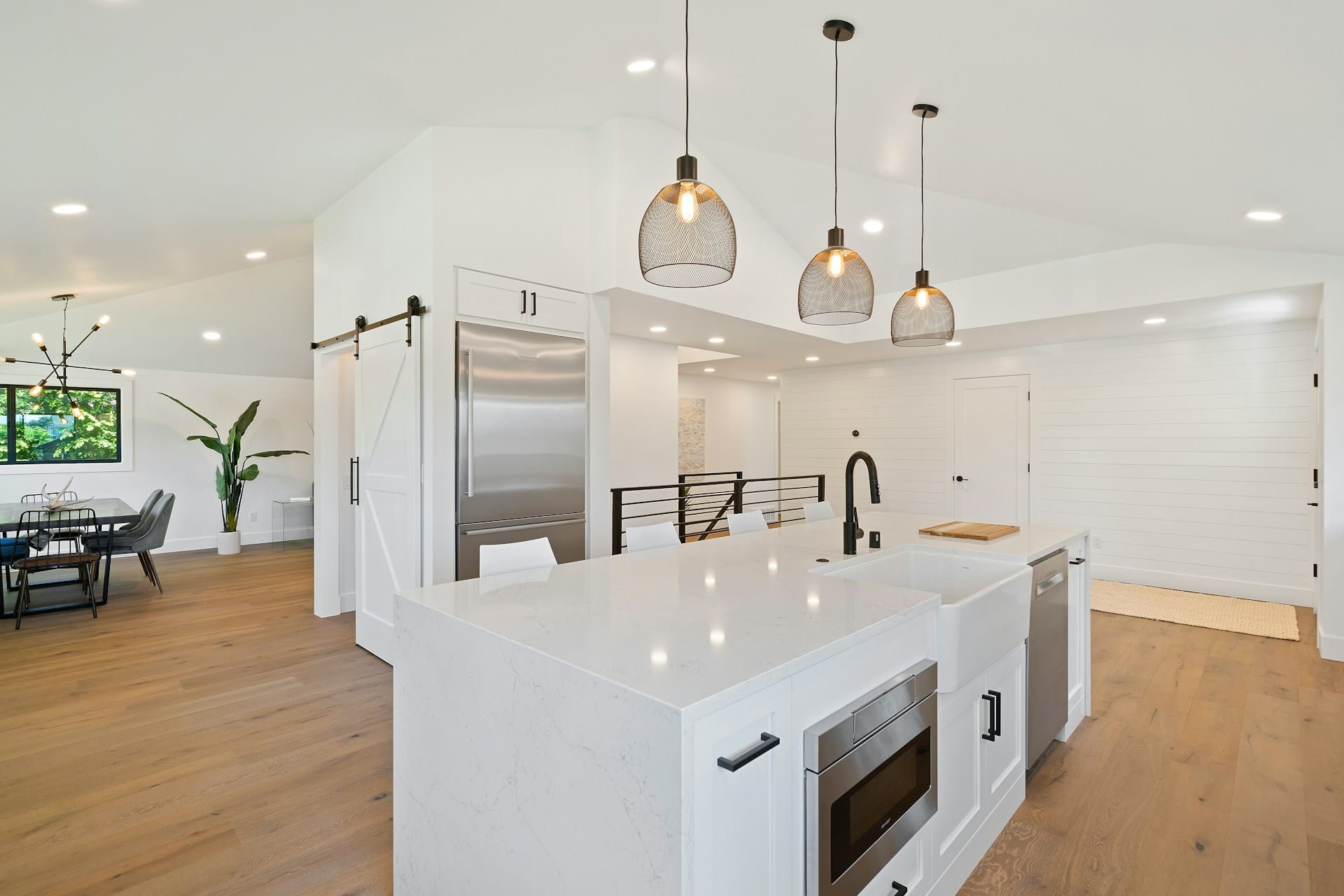
Redesigning and rebuilding have environmental costs. The best decision is one that weighs the home’s current condition against long-term sustainability goals.

Recycling greywater can drastically cut a home’s water consumption, lower utility bills and support a healthier planet.

Climate change is making winters warmer. Amending winterization strategies for homes and businesses can enhance resilience and promote sustainability.

Reducing your household carbon footprint reduces your environmental impact — and often leads to cost savings too.

Discover practical ways to boost residential energy efficiency, cut waste, and keep your home sustainable and resilient through fall and winter.

Real estate investments are a boon to communities only if they’re environmentally, socially and economically beneficial over the long term.

The cost of a smart home varies depending on factors like home size and device types, but most people spend a similar amount on whole-home automation.

With climate change creating more inclement weather, storm-resistant construction is in high demand to ensure sturdy homes.

Sustainable homes do more than help the planet. They also create healthier spaces for residents. Small changes can make a significant impact on well-being and security.

Master your thermostat by avoiding common mistakes and following smart tips to boost energy efficiency, cut bills, and stay comfortable all year long.

Communities can take action to make their houses more energy efficient while waiting for rules to be updated.

Extreme weather and aging power grids make the perfect recipe for widespread blackouts. Resolving it with clean energy isn’t as easy as you think.

When looking at natural versus synthetic, most builders want to know which aligns most with a greener future.

Every benefit of DEI is an advantage for sustainability — the opposite is also true. The willingness to tackle both requires transparency and dedication. By Evelyn Long, editor-in-chief of Renovated There is still little diversity when observing trades like construction, electrical and plumbing. Women, people of color and other minority demographics remain less represented. This reality … Read more

Durability should always be part of the conversation when selecting materials for a sustainable renovation. By Evelyn Long, editor-in-chief of Renovated Balancing durability with sustainability is a big challenge in home renovation, especially for eco-conscious homeowners. Many want materials that can withstand daily wear and tear for decades but also care about reducing their impact on … Read more

Investing in sustainable real estate offers some powerful long-term strategies that benefit people financially and by improving the state of the planet. By Evelyn Long, editor-in-chief of Renovated Building a strong financial portfolio often includes adding real estate to the mix. While investing in properties builds wealth and diversifies a portfolio, focusing on sustainability satisfies environmental … Read more

Many people believe green living is expensive. However, with easy lifestyle changes and a few inexpensive swaps, sustainability is achievable for every budget. As climate change, plastic pollution and other key environmental issues come to light, more people are eager to adopt sustainable practices. However, many people think making eco-friendly decisions about personal behaviors and … Read more

The new administration has brought notable changes that highlight the need for sector leaders and local governments to step up and drive sustainable innovation.

With climate change triggering extreme weather events, the importance of building weather-resilient homes has never been clearer.

Simply using salvage, reclaimed and upcycled materials may slash the footprint to make construction more sustainable.