By Evelyn Long, editor-in-chief of Renovated
Many households accumulate items that no longer serve their original purpose. A garage door motor is failing, appliances show wear and textiles pile up unused. Each item presents a decision to repair, reuse or replace it.
The circular economy offers a framework for making these choices more deliberately. By evaluating the life cycle and potential of household items, individuals can reduce waste while maintaining functional homes.
Understanding the Circular Economy At Home
The circular economy represents a fundamental shift from traditional waste management. Unlike linear systems, where products move from creation to disposal, this model ensures the continual circulation of products and materials through ongoing use.
Circular economy principles require a different way of thinking about ownership and consumption. Rather than viewing products as temporary possessions destined for landfills, individuals consider how items can serve multiple purposes across extended time frames.
The Environmental Protection Agency (EPA) has established a waste management hierarchy. This framework prioritizes actions by their sustainability and guides household decisions toward more environmentally responsible outcomes. Source reduction and reuse rank higher than recycling or disposal.
Studies show that refurbishing and reusing existing goods reduces environmental impact far more than manufacturing new products. Applying these principles at home can create measurable change.
The Life Cycle of Small Electronics and E-Waste
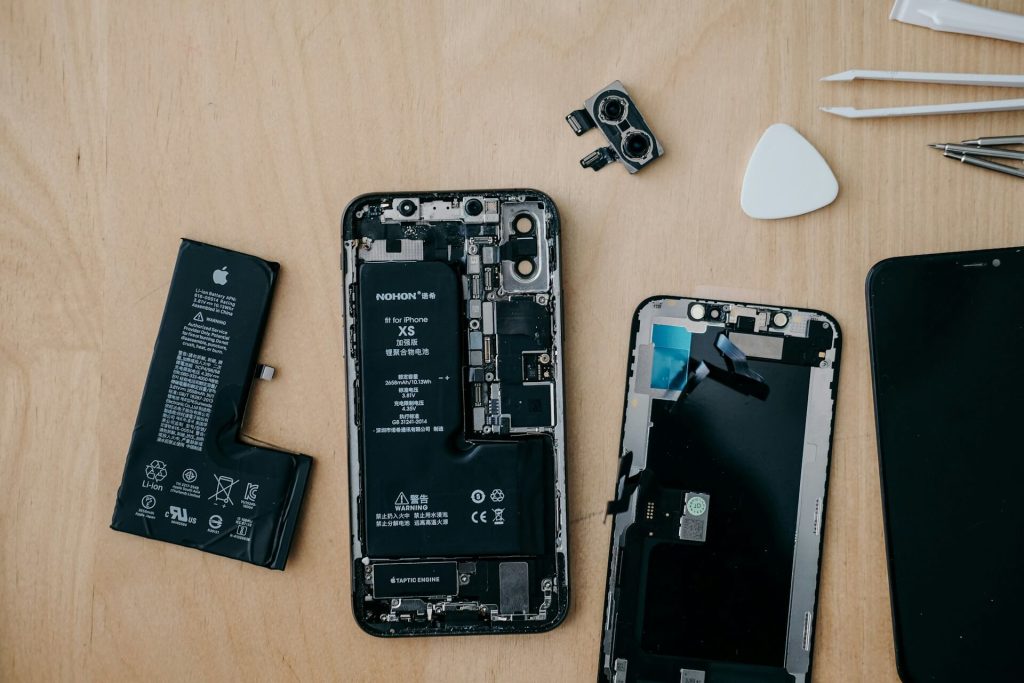
Electronic waste (e-waste) is one of the fastest-growing waste streams globally, with the United States accumulating 7.6 million metric tons in 2024. This staggering volume reflects how quickly consumers replace devices rather than repair them.
Manufacturing new electronics requires substantial energy and rare earth materials with significant environmental impacts across their full life cycle. Mining operations cause environmental disruption, while processing requires substantial carbon emissions. Multiplied across millions of replaced devices annually, these impacts compound substantially.
Electronics recycling proves less efficient than many assume. Even when devices enter proper recycling streams, facilities fail to recover considerable portions of materials effectively. Ultimately, much of what people think they’re recycling still ends up in landfills.
According to iFixit, an organization advocating for repair rights, a single “4.5-ounce iPhone requires 295 pounds of raw material,” including ore and water during manufacturing. This material demand makes repairing electronics a far more sustainable option than replacement or recycling.
How to Approach Common Household Repairs
Most household concerns need straightforward fixes, not a contractor or a trip to the hardware store. For instance, a running toilet is a common problem homeowners often assume requires major repairs, yet it often stems from minor misalignments.
Toilets that run continuously may need nothing more than adjusting the internal mechanisms. Homeowners can often resolve the problem by simply adjusting the fill valve assembly, preventing water waste and avoiding unnecessary part replacement.
Other common household repairs include lubricating squeaky door hinges, installing new weatherstripping on drafty windows, and clearing drain clogs with a plunger or a plumber’s snake. Building confidence with basic repairs encourages individuals to attempt fixes before calling professionals. Each successful attempt reinforces the habit of evaluation.
Assessing Large Home and Garage Systems
Larger household systems present more complex diagnostic challenges, particularly with garage door openers, where symptoms can mislead homeowners about the actual problem. Understanding how to tell if the garage door motor is failing versus experiencing a simpler issue saves both money and resources.
To decide whether a motor is failing, LiftMaster with Clopay, a leading garage door opener manufacturer, recommends trying several troubleshooting steps. Troubleshooting can help homeowners identify alternative solutions before resigning themselves to getting their garage door opener repaired or replaced. According to LiftMaster, the first step is to check connections and circuit breakers, as power source problems often mimic a failing garage door motor.
Safety sensors represent another common culprit in garage door opener malfunctions. LiftMaster with Clopay notes that “dust or misalignment can stop the system from working.” Cleaning and realigning these components frequently restores full operation without any part replacement.
Giving a Second Life to Furniture and Textiles
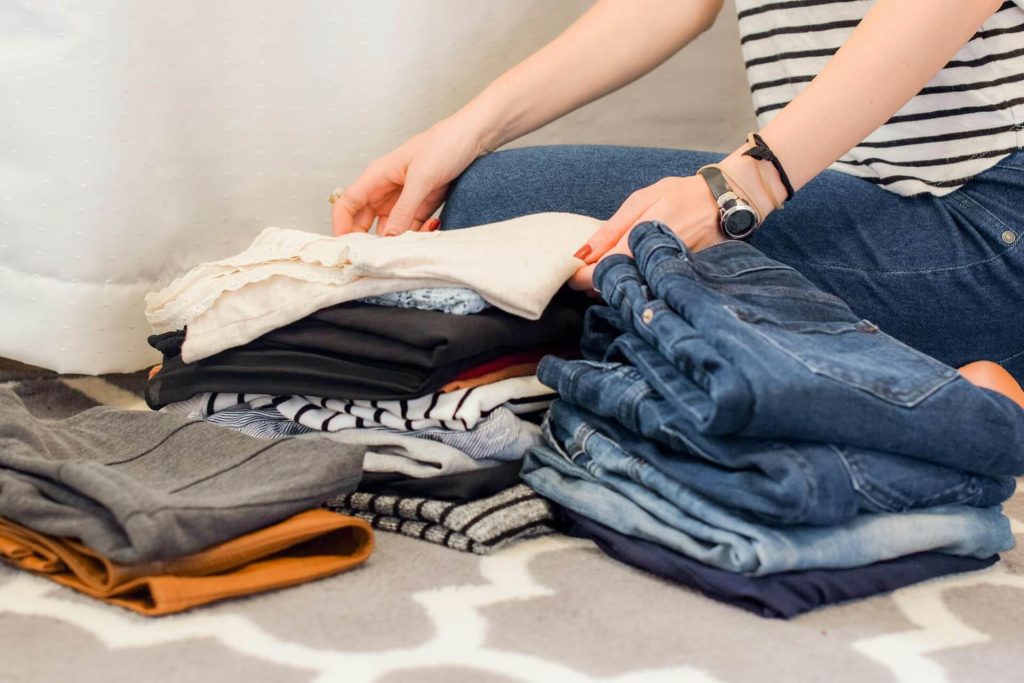
Furniture and textiles sit unused in most homes with plenty of life left in them. For instance, households in the United Kingdom contain 331.58 million household textiles that serve no function, occupying valuable storage space.
Donation programs and resale platforms have made redistributing these items increasingly accessible. For example, online marketplaces connect individuals looking to rehome furniture with those seeking affordable options, extending product life while building community connections around sustainable consumption.
Furniture retailer IKEA says its circular services will be “implemented in at least 80% of our markets” by 2030, including buyback programs that allow customers to return used furniture for credit. This initiative enables the company to refurbish and resell items rather than sending them to landfills.
Corporate programs like these show how circular economy principles can work at scale. What individuals accomplish through donation or resale, large companies can systematize to create a broader environmental impact.
Upleveling Reuse With Modern Upcycling
Upcycling has evolved beyond basic craft projects into sophisticated remanufacturing, employing digital tools to transform reclaimed materials into high-quality products with greater value than their original form. Professional upcyclers even run businesses built entirely around rescued materials, turning old architectural pieces into high-end design elements and industrial scrap into furniture and art.
Technology has especially unlocked precision previously impossible with traditional methods. For instance, advanced processes precisely reshape old wood using laser measurements and three-dimensional modeling, transforming reclaimed lumber into custom furniture and architectural elements that rival new materials in quality.
This technological integration proves that environmental responsibility and high standards can coexist without compromising aesthetics or functionality.
Frequently Asked Questions
Common questions arise when individuals evaluate household items through a repair-reuse-replace framework.
How can someone determine if an item is worth repairing?
Items merit repair consideration when the cost of fixing them is less than half the replacement cost and when the repaired item will serve for at least another year. Environmental impact should also factor into the decision, as repair almost always carries a lower carbon footprint than manufacturing new products.
What types of household items are easiest to reuse?
Furniture, textiles, storage containers and decorative items adapt most readily to new purposes. These objects require minimal modification to serve different functions. Kitchen items and building materials also offer strong reuse potential.
When should replacement be chosen over repair?
Replacement makes sense when safety issues exist that repair cannot adequately resolve, or when energy-efficient newer models will offset their environmental cost through reduced operational consumption. Appliances that have exceeded their expected lifespan and require frequent repairs may also warrant replacement.
Making Sustainable Choices a Daily Habit
The path toward more sustainable household management begins with a single decision. Starting with one category of household items builds momentum for expanding these practices throughout the home. Small changes can accumulate into a significant environmental impact over time.