By Evelyn Long, editor-in-chief of Renovated
As sustainability becomes a bigger priority, housing choices are getting more attention. People often focus on solar panels, efficient appliances or smaller homes. However, one of the most practical low-impact housing strategies may be simply staying in an existing home longer and adapting it over time. This idea is known as aging in place. Instead of relocating later in life, many older adults can remain in their homes and make them safer and more accessible. This decision can support both personal well-being and environmental goals.
Why Aging in Place Is a Sustainable Option
Rather than relying only on new housing developments or specialized facilities, many households can adapt current homes to meet changing needs over time. This approach can reduce waste, preserve resources and encourage more thoughtful long-term living.
Reducing the Need for New Construction
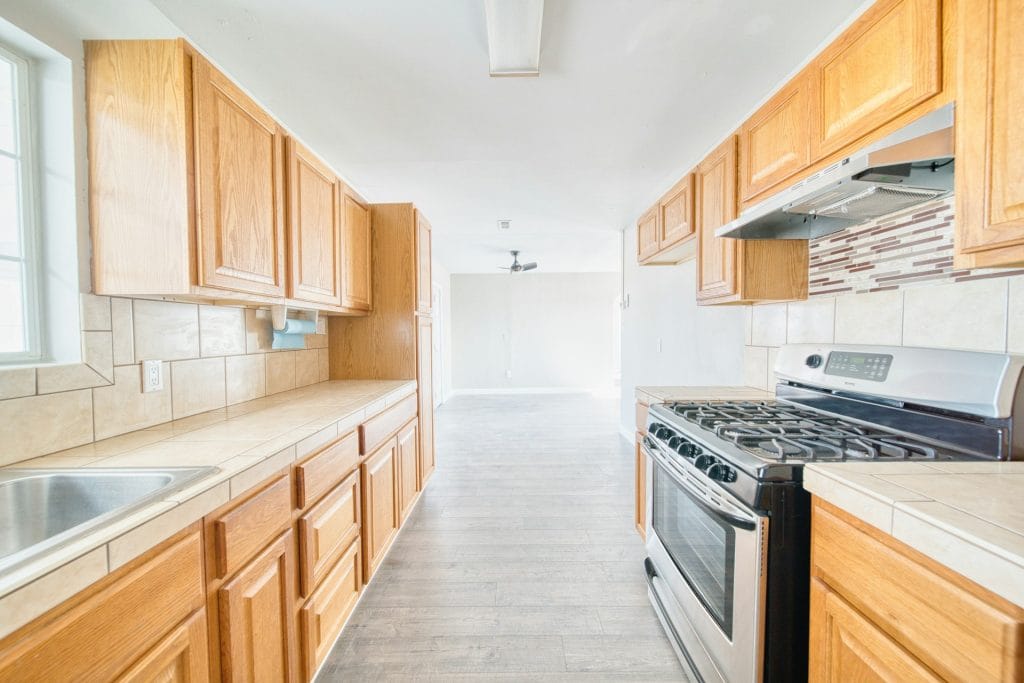
Every new building requires land, materials, transportation and energy. Construction also creates waste. Construction and demolition (C&D) debris is a major waste stream in the United States. In 2018, the United States generated 600 million tons of C&D debris, and 145 million tons were sent to landfills.
Instead of creating more demand for newly built senior communities, care campuses or replacement homes, the idea of aging in place encourages families to improve current properties with better access, safer bathrooms and easier movement between floors.
Reusing items is also an environmentally friendly approach. The most sustainable interior is often the existing one that is preserved, maintained and carefully improved over time.
Making Better Use of Existing Resources
Keeping a home in service longer makes the most of the resources already invested in it. Walls, roofing, foundations and framing have already been manufactured and installed, so reusing those systems is more efficient than starting over. Also, large tear-outs and trend-driven remodels can create waste.
Additionally, the fast furniture phenomenon has led companies to offer a wide variety of products made with synthetic materials or complex mechanisms that break quickly and are hard to repair or recycle. That’s why reusing and restoring these items is sustainable and can also be cost-effective over time.
How Aging in Place Can Support Stronger Communities
Sustainable housing is also about long-term community stability. When older adults remain in familiar neighborhoods, they can stay connected to local services, neighbors and routines, which can reduce social isolation and help communities remain multigenerational.
Demand for aging in place is also substantial, as 92% of older adults express a desire to live out their later years in their current home. When so many people prefer to stay put, adapting existing homes may be a more sustainable response than relying only on new specialized developments.
Ways to Make a Home Better for Aging in Place
Many homes can become more age-friendly through practical upgrades. The best improvements depend on layout, health needs and budget. Below are some common, practical options and upgrades.
1. Easier Movement Between Floors
Stairs are one of the most common barriers in multilevel homes. As people age, climbing steps can become more tiring, painful or risky due to joint issues, balance changes or reduced mobility. In some cases, bedrooms or full bathrooms located upstairs may become harder to reach on a daily basis.
For homes where relocation is not ideal, residential elevator systems can help preserve access to the entire house. Inclinator offers some of the best home elevators for residential use, including the Elevette® home elevator and compact lift systems designed for various layouts. Features like emergency battery-powered lowering, cab lighting and code-compliant safety elements can add practicality in home elevators for residential use, especially when stairs are no longer the easiest route.
2. Safer and More Comfortable Bathing
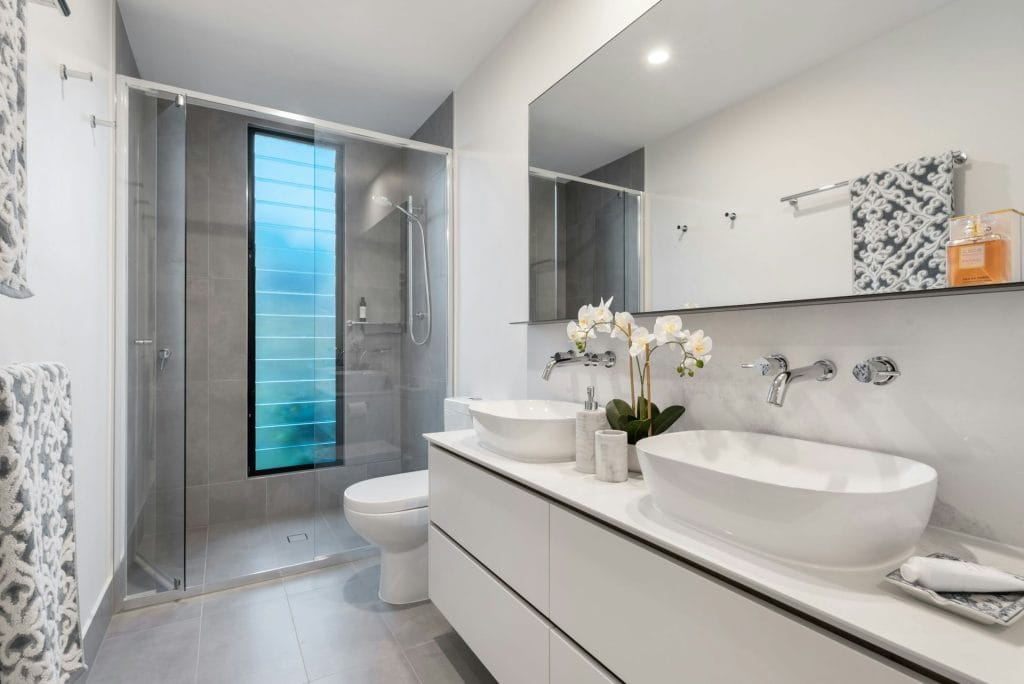
Bathrooms are a frequent location for household falls because of slippery floors, tight spaces and the need to step over tub walls. Tasks that once felt routine, such as standing for a shower or getting in and out of a bathtub, may become more difficult over time.
Kohler offers products such as Walk-In Bath and LuxStone shower systems, which are often considered during accessibility remodels. Low-threshold entry points, seating options and easier-to-clean surfaces can make daily routines more manageable.
3. Better Visibility Throughout the Home
Lighting needs often change with age. Dim hallways, shadows near stairs and poorly lit bathrooms can make navigation harder and may increase the chance of trips or falls, especially at night.
Smart lighting systems such as Philips Hue bulbs and motion-sensing fixtures can improve visibility in key areas of the home. Automatic activation in hallways, bedrooms or entryways may also reduce the need to search for switches in the dark.
4. Smoother and More Stable Flooring
Uneven flooring, curled carpet edges and slippery surfaces can create avoidable hazards. Even small height changes between rooms may become more noticeable for someone using a cane, walker or wheelchair.
Shaw Floors offers low-slip luxury vinyl plank and other durable surfaces that are commonly used in aging-in-place renovations. Replacing worn flooring and improving transitions between rooms can support steadier movement throughout the home.
5. More Accessible Cooking Spaces
Kitchens often require bending, lifting, reaching overhead and working around hot surfaces. These movements can become more challenging with arthritis, reduced strength or balance limitations.
GE Profile sells appliances such as wall ovens with easier-to-reach heights and induction cooktops that cool faster than traditional electric coils. During a kitchen update, appliance placement and safer surface choices can make meal preparation more comfortable and practical.
Pair Accessibility Upgrades With Efficiency Improvements
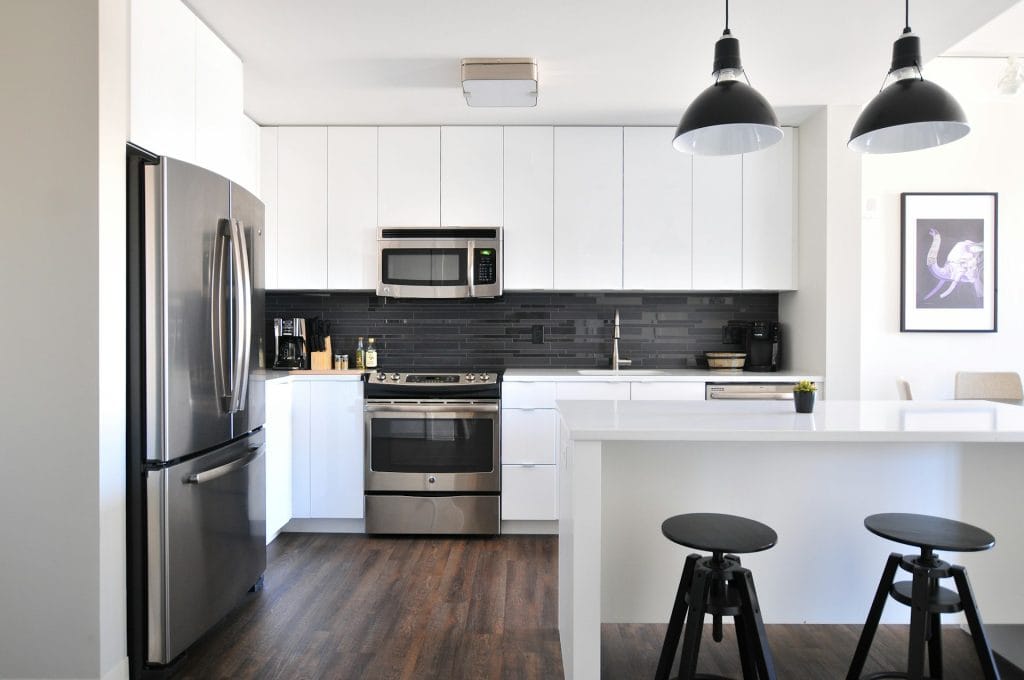
Aging-in-place projects become even more sustainable when accessibility work is done alongside energy upgrades. If a bathroom is already being renovated, it may be a good time to install WaterSense fixtures. If walls are open during remodeling, insulation can be improved at the same time.
The U.S. Department of Energy explains that sealing air leaks and adding insulation are among the most cost-effective ways to improve comfort and lower energy use. This can help older adults manage utility bills while improving their indoor environment.
Additionally, choosing durable renovation materials is essential, whether you’re looking for the best residential home elevators, kitchen appliances or other features. Longer-lasting surfaces and fixtures can reduce the need for future replacements, thereby reducing costs.
A Practical Path to Sustainable Living
Aging in place is a strong sustainability option. It extends the life of existing housing, reduces pressure for additional construction and allows practical upgrades that improve safety and efficiency at the same time. In many situations, it can be one of the smartest and most realistic sustainable housing solutions available.