Practicing financial minimalism to help your wallet and the planet.
By Cora Gold, Editor-in-Chief of Revivalist
Financial minimalism is the deliberate mindset and practice of simplifying how you manage your money. It entails controlling your spending, consolidating bank and investment accounts, and automating saving and investing. While many associate this lifestyle choice with frugal living, it’s really much deeper than that.
Being financially minimalist encourages you to put things into perspective, helping you make informed decisions that can enhance your relationship with money and enrich your life. It’s an effective path to sustainability, as every intentional effort you make toward managing your financial resources responsibly can benefit the environment in general. Here are practical tips to start leading a low-cost, low-waste life.
Conserve Energy at Every Turn
The amount of electricity or fuel you consume directly impacts your wallet and carbon footprint. Using more than necessary is financially and environmentally wasteful, especially because the energy you use isn’t 100% renewable yet.
Fossil fuel consumption is the culprit of many of today’s environmental ills. The rampant extraction of carbon-rich resources has driven the levels of carbon dioxide in the atmosphere to the highest in 3.6 million years, intensifying the greenhouse effect.
A warmer world has resulted in climate change, making weather events more extreme, frequent and unpredictable. Drilling, processing, transporting and burning fossil fuels pollute the air, water and land, and leave various kinds of hazardous waste. The impacted areas experience long-term degradation, harming human and wildlife populations.
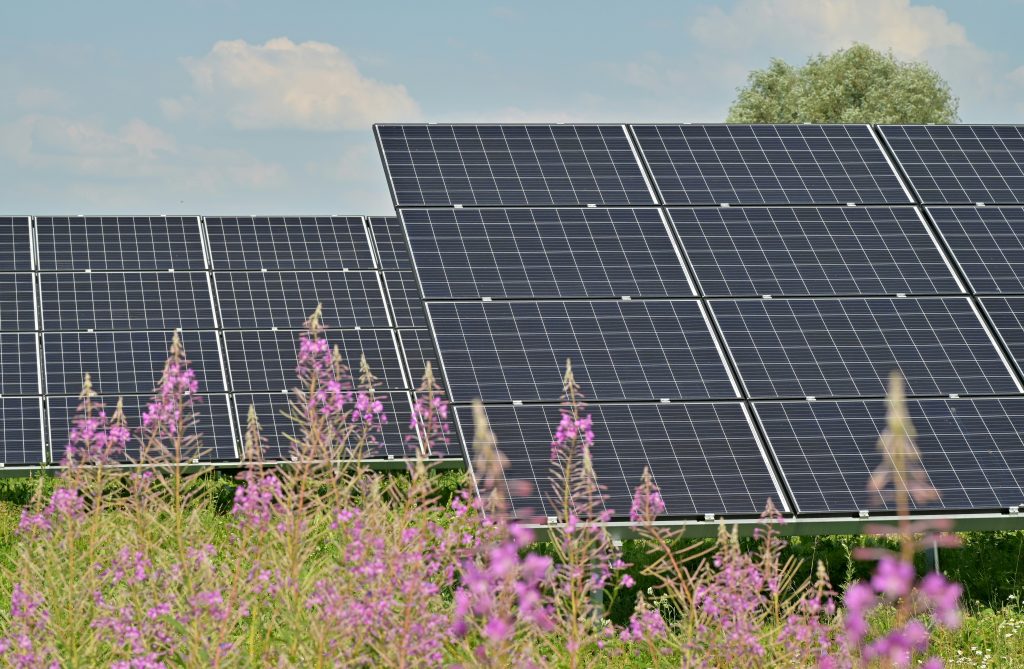
Investing in a photovoltaic panel system to generate solar power is key to living in a net-zero home and cutting electricity costs. However, you can’t bring clean energy with you outside the house.
In contrast, being economical in or mindful of energy consumption allows you to travel more sustainably. Eco-conscious decisions, such as taking the train, booking LEED-certified accommodations and turning off the lights in unoccupied rooms, meaningfully reduce your carbon footprint wherever you go.
Sell or Donate Surplus Belongings
Discarding the items that no longer serve any purpose can make your bank account and the environment greener. Yard sales and donations, whether they be face-to-face or online, fuel the circular economy.
Circularity is the idea of maximizing the value of existing things to minimize waste and reduce the need to manufacture new objects. Circular products help preserve virgin resources and prevent causing further ecological damage through mining, drilling and quarrying.
Recirculating your unwanted items gives others the chance to use and benefit from them. Value stems from utility, and this leads to longevity because people are keen on maintaining things to remain useful for as long as possible.
Aside from earning cash from anything you sell or discontinuing your self-storage lease, living a life free of unneeded items promotes good well-being. A cluttered environment can raise your stress levels, which makes you more prone to retail therapy and unhealthy eating. Although both activities can temporarily lift your mood, a leaner lifestyle nurtures your mental health for longer.
Moreover, reducing the contents of your house makes it easy and less costly to clean, organize and maintain. Freeing up more square feet of floor and wall space makes your residence feel larger and airier without funding home renovation, remodeling, addition and extension projects.
Repair Broken Items
Many people think that an object loses its usefulness when it breaks, instinctively throwing it away and buying a replacement. Minimalist individuals who are mindful of their finances believe that it isn’t necessarily the case. Broken items are fixable, not trash.
Granted, modern products have fragile components, but the “right-to-repair” movement is gaining momentum. This legal concept aims to obligate manufacturers to design devices for repairability, make service manuals publicly available, and ensure that diagnostic tools and replacement parts are more widely accessible.
Right-to-repair typically pertains to more complex objects, such as consumer electronics and car assemblies. However, the principle of self-sufficiency it represents should be your default attitude if and when anything you own breaks. You can’t break what’s already broken any further, so consider fixing it rather than throwing it away.
If you don’t know where to begin, assume that somebody has already done it. Ask someone you know or look for tutorials online for guidance. Not everything is repairable, and you may not be up to the task, but it’s worth the consideration to curb environmental waste, promote circularity and avoid needless spending.

Find Beauty in Imperfection
Minimalism is synonymous with flawlessness, as it’s the opposite of clutter and disorder. However, it’s never about the pursuit of perfection. Minimalist spaces aren’t and shouldn’t be rigidly flawless, as imperfections sometimes make things perfect.
The Japanese believe in the philosophy called “wabi-sabi,” which means “flawed beauty.” It encourages embracing the natural cycle of growth and decay, placing greater value on the authenticity of weathered objects than on the refinement of mass-produced items. Accepting the transience of everything can help you recognize that flaws are part of the wear-and-tear process and are worth appreciating.
If you apply the wisdom of wabi-sabi to financial minimalism and sustainability, you’ll rewire your brain and counter the belief that shiny new things are better than old, worn-out ones. Anything is worth keeping as long as it’s working properly, safely and efficiently. Some may need structural or mechanical fixing, but functional, cosmetically imperfect valuables are beautiful in their own way.
Have an Estate Plan
Estate planning is the ongoing process of arranging how you want your assets distributed when you’re gone. An estate plan is a collection of verifiable documents, such as wills, trusts and powers of attorney. It details who you want to receive what and who you authorize to execute your wishes.
A well-thought-out estate plan aims to ensure that everything you own goes to the exact parties you designate when you die while avoiding probate, a potentially complex legal process. Without an estate plan, a state-level court determines who should inherit your property based on the legal guidelines spelled out by law. Probate’s outcome may be far from your wishes, potentially causing bitter disputes among your loved ones and diminishing the overall value of your assets.
Not creating a plan is agreeing to surrender control over everything in your name to the state. Expecting a court to distribute your assets appropriately is a dangerous assumption. The heirs the law deems legal may not be as financially and environmentally responsible as you. Your money, pets, house and other belongings could end up with people who don’t share your values, such as frugality and sustainability. The organizations you care about may not receive a single penny from your legacy.
An estate plan is a crucial but often overlooked aspect of financial minimalism. It helps prevent the assets you’ll leave behind from going to waste in more ways than one. Only three in 10 adults in the United States have done estate planning, and the idea is more prevalent among higher-earning individuals. You shouldn’t wait until you’re a millionaire before taking steps, as it’s essential regardless of your net worth.

Use Cash When You Can
Some proponents of financial minimalism advocate automating payments and going paperless to make tracking spending easier. Others have a physical-cash-only mindset to discourage impulse shopping. Both sides of the aisle have solid points.
The first camp is right on the money, as automation can help ensure you pay every balance in full by the due date to avoid late charges and interest. Online transactions leave a digital trail you can review and cross-reference at any time, eliminating the need to keep and organize paper bills and receipts that eat up space and fade over time.
Likewise, the other side of the fence is correct with their argument for cash transactions. They do impact you psychologically, as the act of handing over money and seeing it disappear is painful enough to lessen the temptation to spend thoughtlessly. Budgeting your money is easier when forced to spend within your means.
Making it a point to pay for things with cash doesn’t mean you should never use banking services. After all, digital banking renders recordkeeping simple. Driving to the ATM whenever you run low on cash isn’t eco-friendly either, especially if you live in a remote area.
However, transacting in cash does teach self-regulation, which is helpful when training yourself to handle your finances more responsibly. Even the most financially minimalist person on the planet can feel the urge to spend on a whim. Credit can desensitize you, while physical cash makes it more stressful to part ways with your money. Make it a habit to use paper bills and coins as the default for nonessential purchases, and keep plastic as a fallback when outside.
Live a Financially Minimalist Lifestyle to Avoid Waste
Spending less to get more from life takes hard work, discipline and commitment. Beating wasteful financial and environmental habits doesn’t happen overnight, but these tips can help you stay on track.
About the Author
Cora Gold has a passion for writing about life, happiness and sustainability. As Editor-in-Chief of women’s lifestyle magazine Revivalist, she loves to share her insights and find inspiration from others. Follow Cora on Facebook, Pinterest and Twitter.