Written by Cora Gold, Editor-in-Chief of Revivalist
Your health and beauty routine can seem inconsequential when it comes to the state of the environment. However, if you zoom out, it actually makes quite an impact. You can take steps to help reduce your waste and adopt a more sustainable lifestyle, from choosing your cosmetics to handling your product empties and unopened packages.
1. Avoid Plastic Packaging
Plastic packaging is widely used by brands, mainly because of its flexibility and affordability. However, these components are vulnerable to cracks and other damage. Once broken, they’re thrown away and left to pile up in landfills and oceans.
Look for alternatives if you want to reduce your waste. In 2022, the beauty and personal care industry experienced a 40% year-over-year increase in stock-keeping units with sustainable packaging. Support brands that are making these innovations for the environment.
2. Simplify Your Routine
There are so many viral routines with more than 10 steps, conditioning people to need multiple products to pamper themselves. The truth is that a minimalist method when applying your cosmetics and skin care creams is all you need. It saves you money and helps prevent waste. Here’s what you can do:
- Check what other people do: Look for clean health and beauty influencers and check out their routines. Regarding skin care, most stick with the trinity of cleansers, toners and moisturizers. For body care, you can expect to use a wash and lotion along with scrubs every once in a while.
- Identify your essentials: Look at what you’re using and what is considered essential. For example, some people skip using bronzers on their faces. However, if you feel like it gives you more confidence, add it to your list of cosmetics and think of what else you could remove. Maybe you can skip the highlighter or lip liner.
- Use multi-use products: Minimalists enjoy using multi-use products, as it means you can use one item for multiple functions. For instance, you can use petroleum jelly to soften cracked heels and also double it as a balm for your lips.
- Conduct trial and error: There are many recommendations on what you should remove from your routine, but you need to consider what works for you. If you can’t do without your favorite gloss, you will be unlikely to keep up your sustainability routine. Practice trial and error until you get the right routine for you.
3. Restock Only When Needed
One common mistake that most beauty enthusiasts make is buying an excessive amount of products. Simplifying your routine is one step toward avoiding that. However, you also need to practice discipline when you’re shopping.
If you still have a full bottle of cleanser left at home, hold off on buying another one until you’re running out. You can also take advantage of sample sizes if you want to try something new before committing to something that will end up in the trash if you don’t like it.
4. Steer Clear of Harmful Chemicals
Read the ingredient lists of your health and beauty products. Some items contain harmful substances like PFAS chemicals that contaminate soil and water, harming the environment. They can also create a variety of health concerns, like weakening the immune system and triggering hormonal imbalances.
Look for more sustainable alternatives instead. For instance, natural beauty brands use organic ingredients to help clean and pamper without the bad compounds. You can get a sample and run a patch test to see if it works on your skin.
5. Start Prioritizing Reusable Products
Reusable products are key in reducing waste, and there are many opportunities to incorporate them into your beauty routine. For instance, swapping out disposable sanitary napkins for menstrual cups or reusable pads helps you get through your monthlies while minimizing environmental harm. These items also have a similar effect:
- Cleansing balm: Removing your makeup with multiple wipes at the end of the day can pile up waste. They also leave plenty of grime on the skin and cause too much friction. Swap them out for cleansing balms or oils instead— a spoonful is all you need to gently remove all the gunk and dirt from your face.
- Reusable cotton rounds: Some may prefer using micellar water as a makeup remover. In those cases, swap out your regular cotton pads with reusable rounds instead. These remove cosmetics and can also be used with toner and other liquid products. Put them through the washing machine afterward.
- Brushes: Do you use disposable sponges and spoolies when applying your makeup? Look for reusable alternatives instead. Brushes can help you apply your cosmetics with ease and are easy to wash and sanitize for future use. There are many versions made of bamboo, recycled plastic and other sustainable materials.
- Travel bags: Traveling with your makeup and skin care products must be sustainable. Single-use plastic bags generate waste that goes to landfills, harming the environment. Use reusable and durable ones instead. Fabric bags are quite popular since you can chuck them into the washing machine for cleaning.
6. Buy Larger Sizes
If you’ve found a holy grail item and know you’re going to continuously buy it, you can indulge in purchasing larger sizes. A bigger product will mean less hassle in replacing it, minimizing your future orders or trips to a physical store.
You can also take advantage of refill pouches and products. These typically give you bang for your buck, and you get to reuse your existing makeup or skin care component. Fewer products bought means less packaging waste plaguing the environment.
7. Experiment With DIY Products
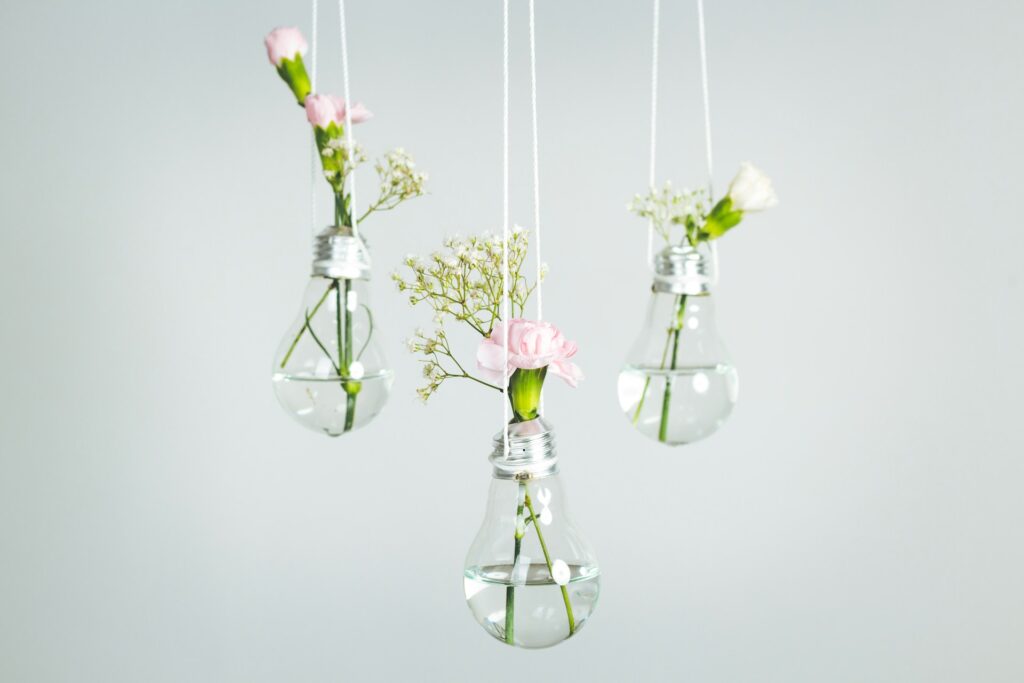
Another way to have a minimalist beauty routine is to explore the world of DIY products. Use existing items in your cupboard that would have otherwise gone bad. For instance, you can make a coffee body scrub with stale grounds, hot water and coconut oil.
The beauty of creating home remedies is using organic items that will break down easily without harming the environment. You can also make as much or as little product as you want. Just seal away the goods in a reusable jar and whip it out as needed.
8. Recycle Product Packaging
You are bound to end up with tubes, jars and other product packaging after consistently following your routine. Make sure to reuse them in your everyday life. For example, you can use the tubs to hold miscellaneous items like charms, sponges and more.
Take advantage of nearby recycling programs. as well. These will typically involve mailing your emptied beauty items to a hub or taking them to a drop-off point. These components will be cleaned and sorted out to create raw materials for future products.
9. Donate the Excess
If you’re new to minimalism, you may have several products to declutter. Consider donating your extras to a women’s shelter or charity instead of throwing them away. Aside from keeping them out of landfills, you’d be helping out those in need of cosmetics and skin care products.
Remember to check out the organization’s terms and conditions for in-kind donations. Some may only accept unused and new beauty products, while others may take secondhand products if they have been properly sanitized.
10. Develop Sustainable Habits
Make your routines more sustainable by building good health and beauty habits. For example, you can skip using the curling iron and try heatless curls with foam rollers instead. That way, you achieve flawless beach waves while conserving energy.
Some people recommend using a silicone lip brush when applying mousse or cream. However, you can still get the blurred effect with your fingertips. Experiment with different techniques and save yourself from consumerism.
Reduce Your Waste
Leading a sustainable life means changing many aspects of your routine, including adopting a minimalist approach to your health and beauty. Implement these tips to make a positive environmental impact in the long run.
About the Author
Cora Gold has a passion for writing about life, happiness and sustainability. As Editor-in-Chief of women’s lifestyle magazine Revivalist, she loves to share her insights and find inspiration from others. Follow Cora on Facebook, Pinterest and Twitter.