
Outdoor Home Renovations for a Green Home and a Green Thumb
Wise choices preserve precious resources for future generations. These sustainable outdoor home renovations will help you grow a green home and a green thumb.
sustainability • ethics • climate • waste • renewables • ecology • poverty • equality
A sustainable garden works with local climate, soil and wildlife. It uses regionally appropriate plants, protects soil, reduces synthetic chemical use, captures rainwater, limits unnecessary lawn and provides food, shelter and water without creating new invasive-species or water-use problems.
Garden focuses on cultivating green spaces that support biodiversity, resilience, and connection to the natural world. These stories explore regenerative gardening, native plants, soil care, pollinator support, and low-impact practices suitable for beginners and seasoned growers alike.
From small balcony pots to community food gardens, this category celebrates the ways gardening can restore ecosystems and bring people closer to the rhythms of nature.
Wise choices preserve precious resources for future generations. These sustainable outdoor home renovations will help you grow a green home and a green thumb.

Eco-friendly fencing for modern gardens is not just a trend; it’s a responsible choice that aligns with collective environmental goals. We discuss the details.

No green thumb required! Learn about these 11 beginner-friendly ways to compost regardless of your living situation and take your first steps towards a greener future.

Creating a beautiful garden is a rewarding endeavor that brings joy and tranquility to your outdoor space. This guide offers some simple and practical tips!

Whether you’re setting aside your tiny balcony, or you are applying for a spot in the nearest allotment, it’s possible to pick up the urban gardening bug.

Sustainable gardening is all about working with the environment around you to create beneficial and beautiful vegetable plots, orchards, and green spaces.

This article explores suggestions for designing eco-friendly outdoor spaces, with the goal of making your green living areas environmentally friendly.
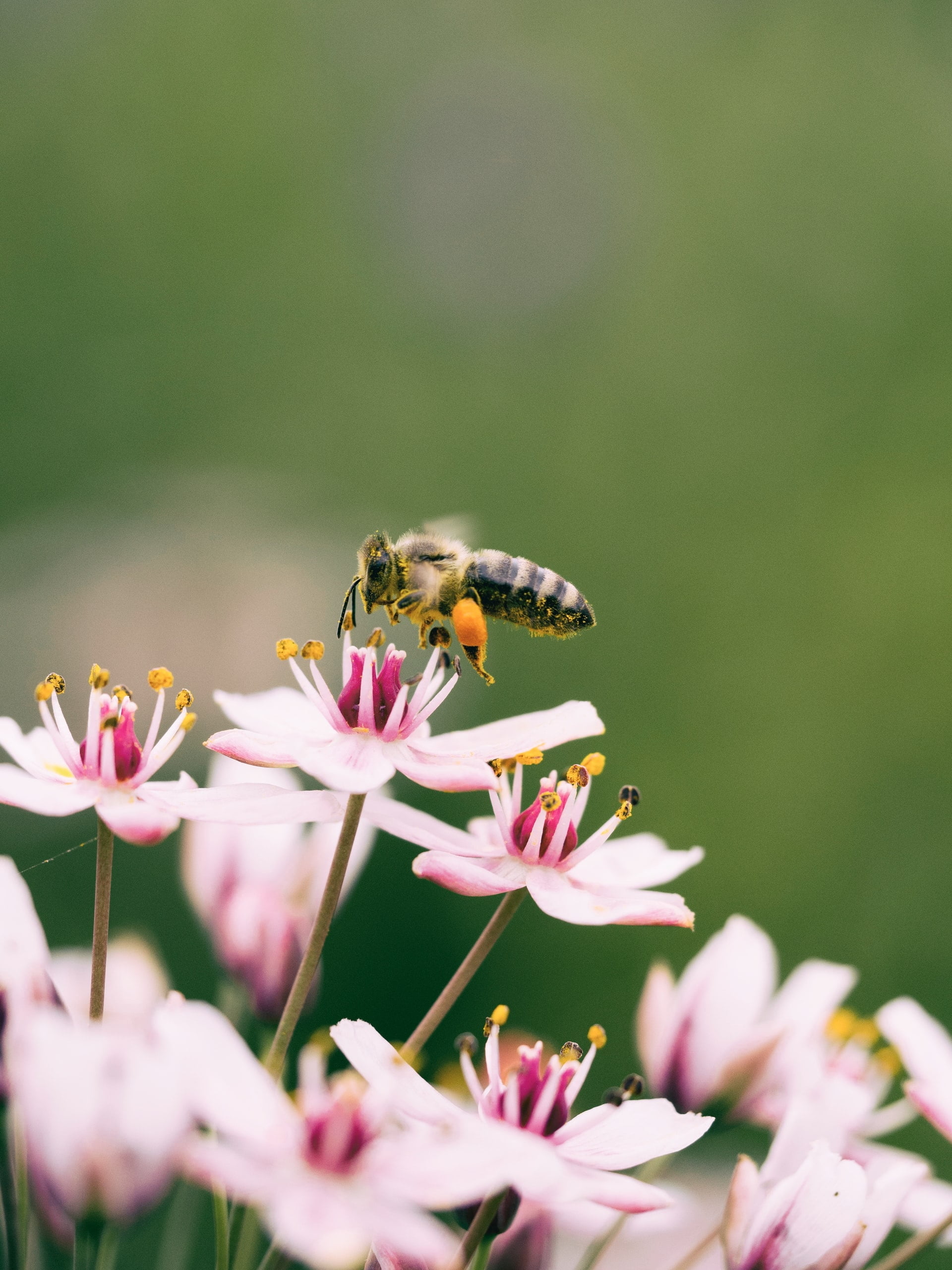
A Comprehensive Guide on Why and How to Attract Bees to Your Garden

I’d been gardening off and on ever since I was about ten. That inner drive to grow resumed in earnest when I moved from Hawaii to Fairfield, Iowa.

If simplicity is a hallmark of reliability, then our reliance on the global network that is our current industrial food system needs to be questioned.

Green grass lawns are largely considered a staple of well-kept yards, but they require enormous amounts of water and fertilizer to keep green and beautiful.

Trees play a vital role in combating climate change. Do your part to plant more today and become a hero for the earth.
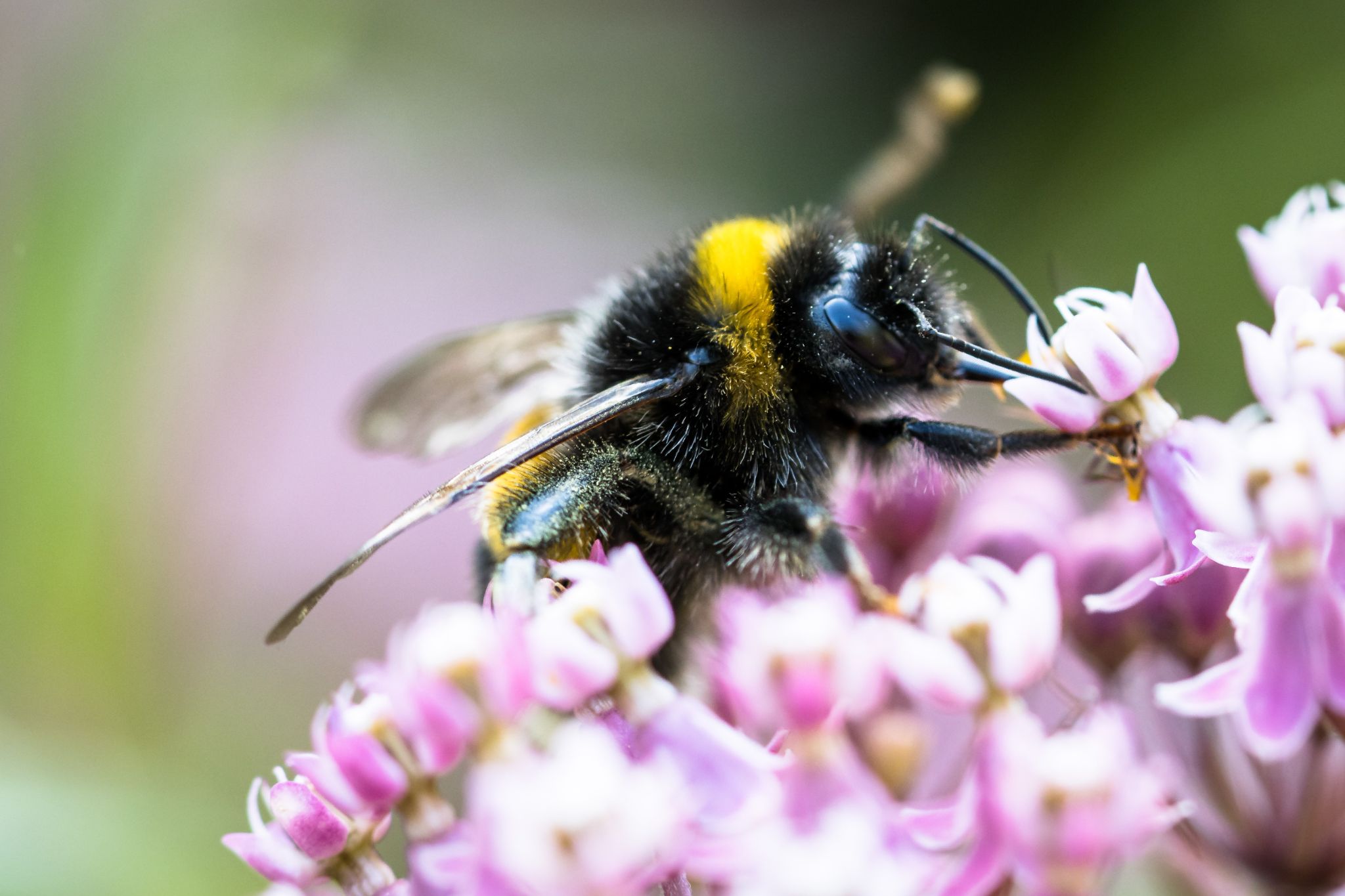
Guide to Attracting Wildlife Into Your Garden: Even the most modest of gardens can become an outdoor metropolis where wildlife can thrive. Small changes can open up a window for you to observe and enjoy what nature creates. By Monty George, co-founder of online furniture store, Furniturebox The key to attracting wildlife is to provide … Read more

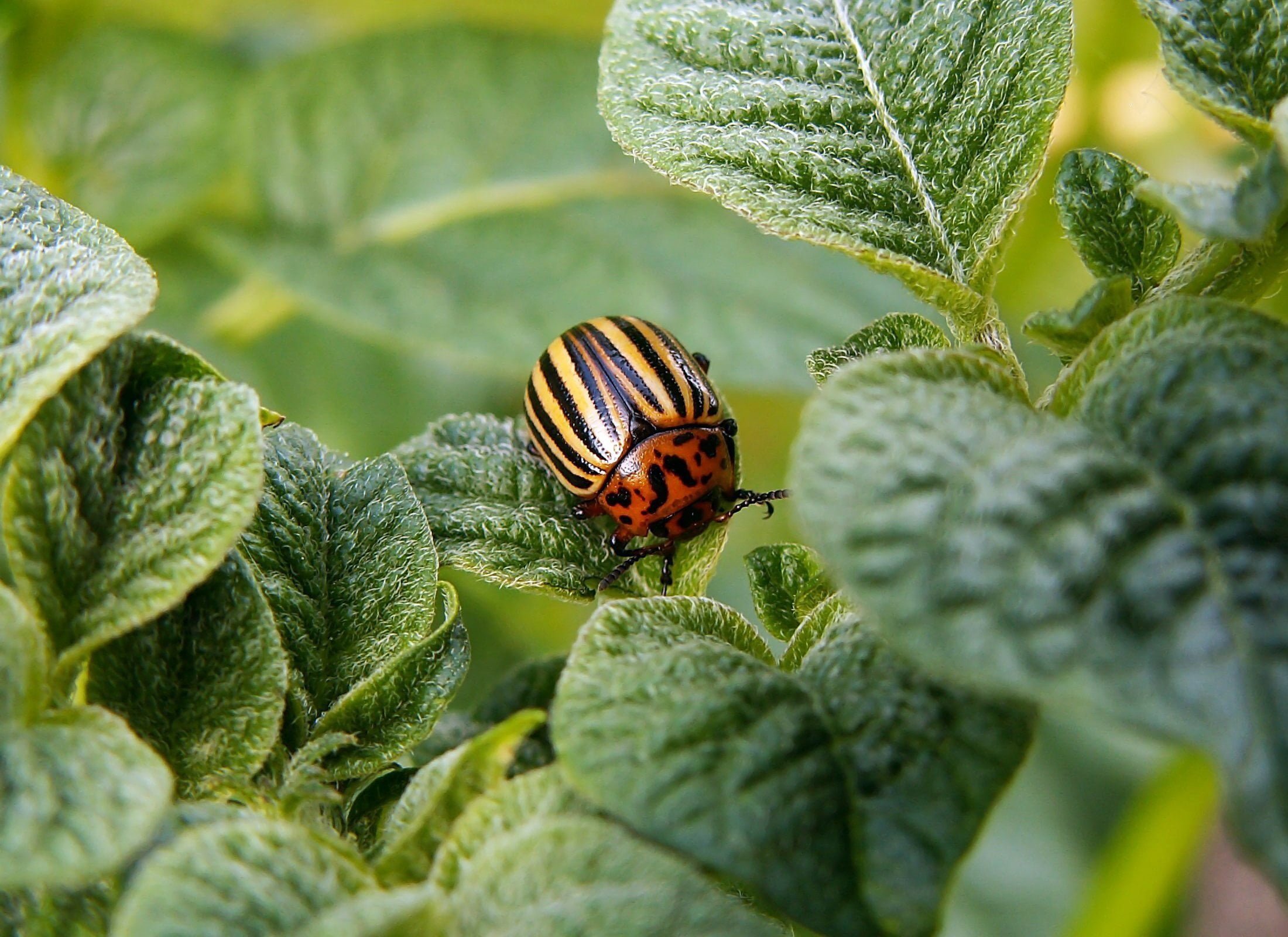
Managing pests in an organic garden is a complex and challenging–though often rewarding–endeavour. Companion planting might help.
Growing your own organic food has many benefits: It’ll bring you pleasure, help you stay healthy, and be a way of introducing sustainability to your family, friends and future generations.