
Capitalism and The Advent of Garbage
Could the end of capitalism pave the way from a reduction in our creation of garbage, towards a truly sustainable future?
sustainability • ethics • climate • waste • renewables • ecology • poverty • equality
Sustainability sits at the heart of Unsustainable Magazine. This section brings together stories that explore how people, communities, and ecosystems adapt to a world in rapid transition. Here you’ll find reporting and reflections on climate change, ecological resilience, waste systems, energy futures, and the everyday choices that shape our collective impact.
Our aim isn’t just to document environmental challenges, but to examine how they intersect with justice, inequality, and lived experience. From new research on carbon emissions to local efforts to restore biodiversity, these articles connect the global and the personal, the structural and the immediate.
Whether you’re looking for clear explanations, in-depth analysis, or grounded ideas for creating change, the Sustainability category offers a wide-ranging view of the forces reshaping our planet — and the possibilities that still remain.
Could the end of capitalism pave the way from a reduction in our creation of garbage, towards a truly sustainable future?
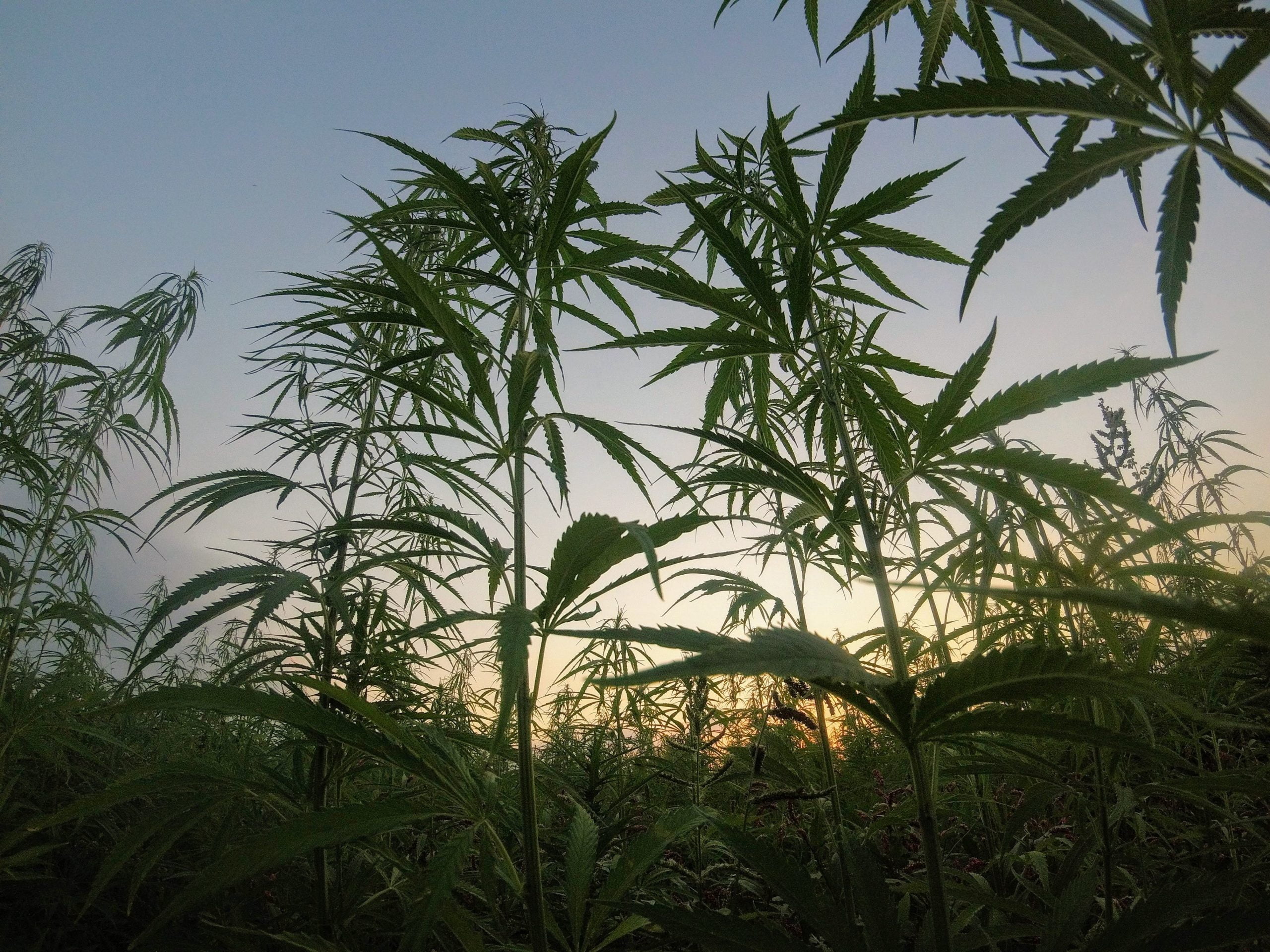
Does the question of why cannabis should or shouldn’t be legalized create an unnecessary distraction from world hunger and the climate crisis?

When a nearby farm is sprayed, we have to shut all our windows and doors to keep the fumes out of the house, but there’s nothing we can do to save the bees.

This Earth is our home, it gives us shelter, food, and nurtures us; yet we continue to destroy this planet day after day. This is not right.

Due to the complex interaction between human activities and the ecosystem, humanity’s food system is facing severe threats.