
Architects As Sustainable Actionists
International architecture and design studio SOUR dedicated their Journal Issue 03 to the footprint created by architects, products, and our built environment.
sustainability • ethics • climate • waste • renewables • ecology • poverty • equality
Climate change is the long-term shift in temperatures and weather patterns, driven today mainly by greenhouse gas emissions from fossil fuels and land-use change. This section explains the science, impacts, policy responses, adaptation strategies and practical solutions shaping a safer and more resilient future.
The Climate section explores the science, impacts, and lived realities of a rapidly warming world. Here we examine extreme weather, rising emissions, global policy responses, community adaptation efforts, and the structural forces driving climate change.
Our stories connect global trends with local experiences, highlighting both vulnerability and resilience. From new research to frontline reporting, this category offers clear, grounded insight into the most urgent environmental challenge of our time — and the possibilities that remain for meaningful action.
International architecture and design studio SOUR dedicated their Journal Issue 03 to the footprint created by architects, products, and our built environment.

Biochar: It’s an ancient practice that can eliminate carbon emissions in a way that scientists are only now beginning to appreciate.

With a great deal of investment, cooperation, education, and hard work, Solar Energy has come to contribute a significant amount to the electicity needs of our species.

A guide to holding corporations more accountable as mounting concerns about climate change and global warming reach their highest levels yet.

The world is officially heating up. Climate change doesn’t get more in face than wild fires ravaging Europe, heatwave baking the USA& Canada, droughts in California. What’s next? The Arctic melting? Oh wait, that’s happening too.

Practical ways to reduce everyday pollution: transport, energy, waste, food and water, with low-cost steps, reliable sources and clear safety advice.

If every country aimed to improve the efficiency of its 5%-10% most carbon-emitting powerplants, we’d be more likely to actually hit the 30-50% reductions target.

To address the Malawi water crisis, a collaboration between the government and key NGOs is attempting to curb the disastrous lack of access to this resource that is affecting broad swathes of the country.

Dismantling the white supremacist foundation underpinning all three of these movements will take everyone working together. Get involved undoing the harms ravaging your local community using these 3 tips.

Water, Air and Land (WAL) Nexus: Creating a Safe Space for Preserving Climate and Achieving Food Security while wisely using the free gifts of nature.

Combating the climate crisis requires a global effort, but governments of poorer nations must also consider economic development, and the needs of their struggling populations.

Albeit some very powerful figures encourage denial, we have to stop ignoring the damage caused by greenhouse gases and start acting towards stopping climate change.
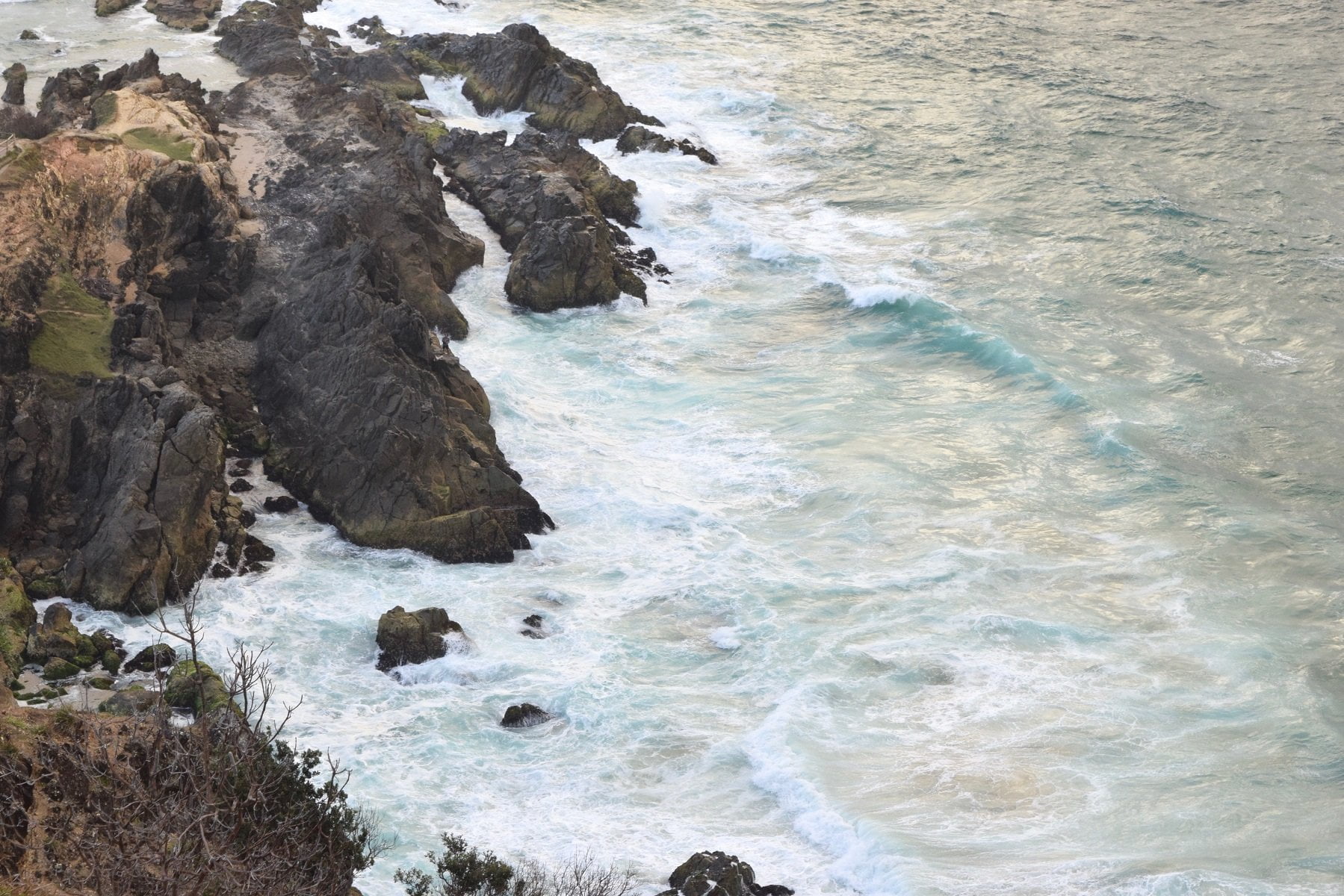
This Earth is our home, it gives us shelter, food, and nurtures us; yet we continue to destroy this planet day after day. This is not right.