
When Justice Depends on Money
Wealth can shape legal outcomes through bail, defence resources, expert access, and mitigation. Here’s how money distorts justice in practice.
sustainability • ethics • climate • waste • renewables • ecology • poverty • equality
Equality explores how access, opportunity, and representation shape the path toward a more just and sustainable world. These stories investigate the ways inequality intersects with climate change, public health, migration, gender, race, and economic systems.
We look at both structural barriers and grassroots efforts that challenge discrimination and build more inclusive communities. This category is for readers interested in the human rights dimensions of sustainability — and how fairness becomes a foundation for long-term resilience.
Wealth can shape legal outcomes through bail, defence resources, expert access, and mitigation. Here’s how money distorts justice in practice.
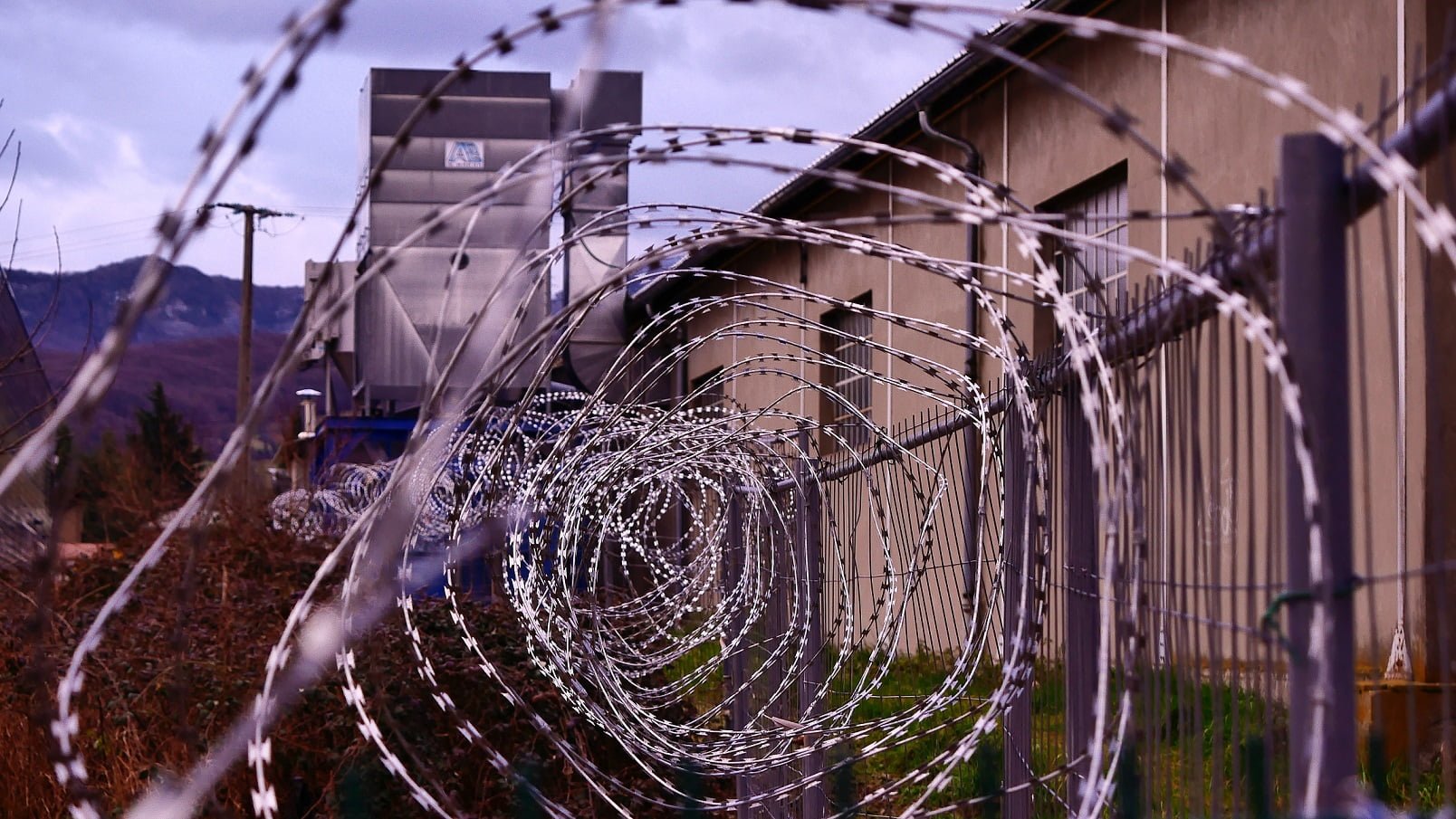
When most people think of slavery, images of historic racist abuse come to mind. However, those in power have found ways to abuse loopholes in legislation.

Clear Yoruba translation improves access, trust, and participation in education and community programs when language is treated as core infrastructure.

Seeing more examples of renewable energy initiatives created by marginalized communities may inspire you to enact similar, empowering change where you live.

A grounded look at middle-class money stress—cost-of-living pressures, debt, mental load, and practical ways to regain breathing room without shame.

Kasiya’s rutile and graphite discovery brings hope for jobs and services—but also raises concerns about land loss, pollution, and fair benefits.

Health literacy shapes health outcomes worldwide. Here’s how communities, schools, and health systems can improve access, understanding, and trust.

If we want a future that is sustainable and prosperous, we must teach the next generation how to balance the heavy scales of freedom and responsibility.

Civilization’s origin story is often told as pure progress. Here’s what that narrative leaves out: surplus, power, and the rise of inequality.

Just Grace is an NGO working in one of the oldest townships in South Africa. Its team is dedicated to bringing about long-lasting and sustainable change.

Lack of public transportation in Malawi has led to the growing of an informal sector of motorbike taxis popularly known as Kabaza across the country.
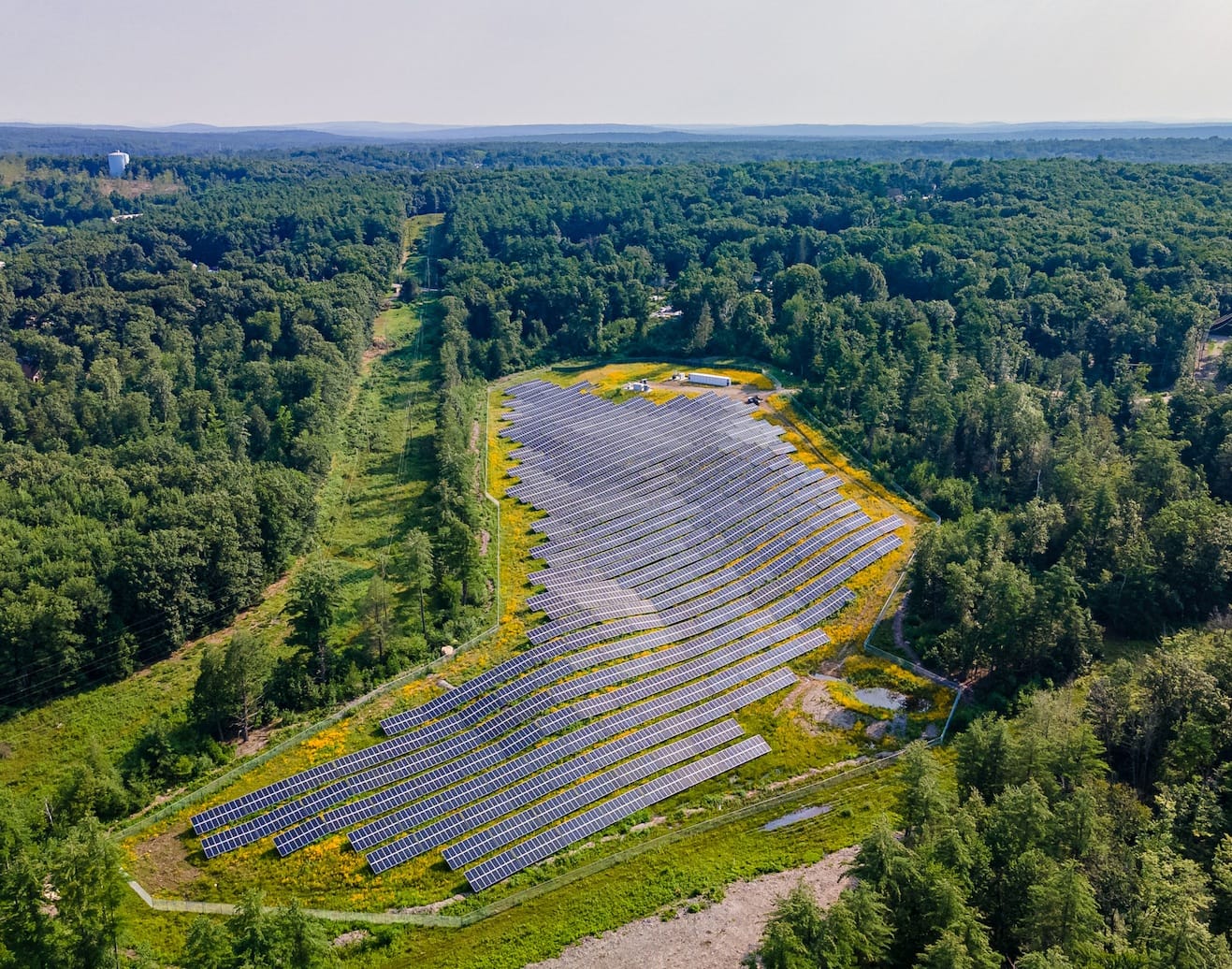
More than just generating electricity or energy, these micro-projects serve as engines for inclusive economic growth, resilience, and environmental stewardship.

The cost of data in Malawi had been a cause for concern to many consumers where, in 2020, consumers were paying US$25 per one gigabyte.

How can children thrive when the institutions designed to safeguard them fall short? Let’s discuss raising children in today’s world.

Malawi continues to be rated “mostly unfree economy” as seen in the latest 2025 index of Economic Freedom, published by the WSJ and the Heritage Foundation.

Helping older adults in ways that make them feel useful and included is not only generous—it is essential to their emotional health and quality of life.

In Malawi, a majority of the population don’t have access to piped water. Their only way to access safe drinking water are boreholes. We explore the issues.

Every benefit of DEI is an advantage for sustainability — the opposite is also true. The willingness to tackle both requires transparency and dedication. By Evelyn Long, editor-in-chief of Renovated There is still little diversity when observing trades like construction, electrical and plumbing. Women, people of color and other minority demographics remain less represented. This reality … Read more

Affordability, sustainability and transit accessibility significantly impact people’s abilities to live fulfilling lives. Let’s explore the details.

From gender equality to reproductive freedom, women in Singapore face many complex issues related to feminism and fertility. Let’s take a closer look.

Even though developed nations have made significant strides in modern medicine, the current state of maternal health care remains unacceptable. Let’s discuss.

Rwanda’s national parks attract millions of tourists each year, but not many know that they have come at a high cost for the indigenous Batwa people.

Nearly 100 Indigenous leaders from the seven socio-cultural regions of the world have reached unanimous agreement on defining a Just Transition.

What is a mental health space and how do you go about creating one? Here we discuss environments that are truly restorative for both people and the planet.

The climate crisis impacts all living things, but certain populations are more vulnerable. Let’s discuss the connection between climate change and inequality.

There are known socioeconomic benefits to upgrading the U.S. power grid. What are they, and how can the nation capitalize on them for a better tomorrow?

In a land adorned with a tapestry of history and culture, Indian block printing is a tradition that has been meticulously passed down through generations.

We explore the challenges faced by team members from varied backgrounds, and discuss some tips to improve the workplace experiences of underrepresented groups.

This article looks at environmental and social issues in Timor Leste, and proposes that green tourism be a cornerstone of development for the next few decades.

Many states in the US and many countries around the world are discussing psychedelics legalization or decriminalization, for good reasons. Let’s talk about it.

This article looks at fast fashion in India, exploring the challenges facing the industry and the adverse effects on the environment and on garment workers.

This guide to the current state of accessibility in tourism around the world offers facts, figures, key insights, and hope for the future.

Going vegan is a big decision, but it doesn’t have to prevent you from expressing yourself. Vegan tattoos are becoming more common and more accessible.
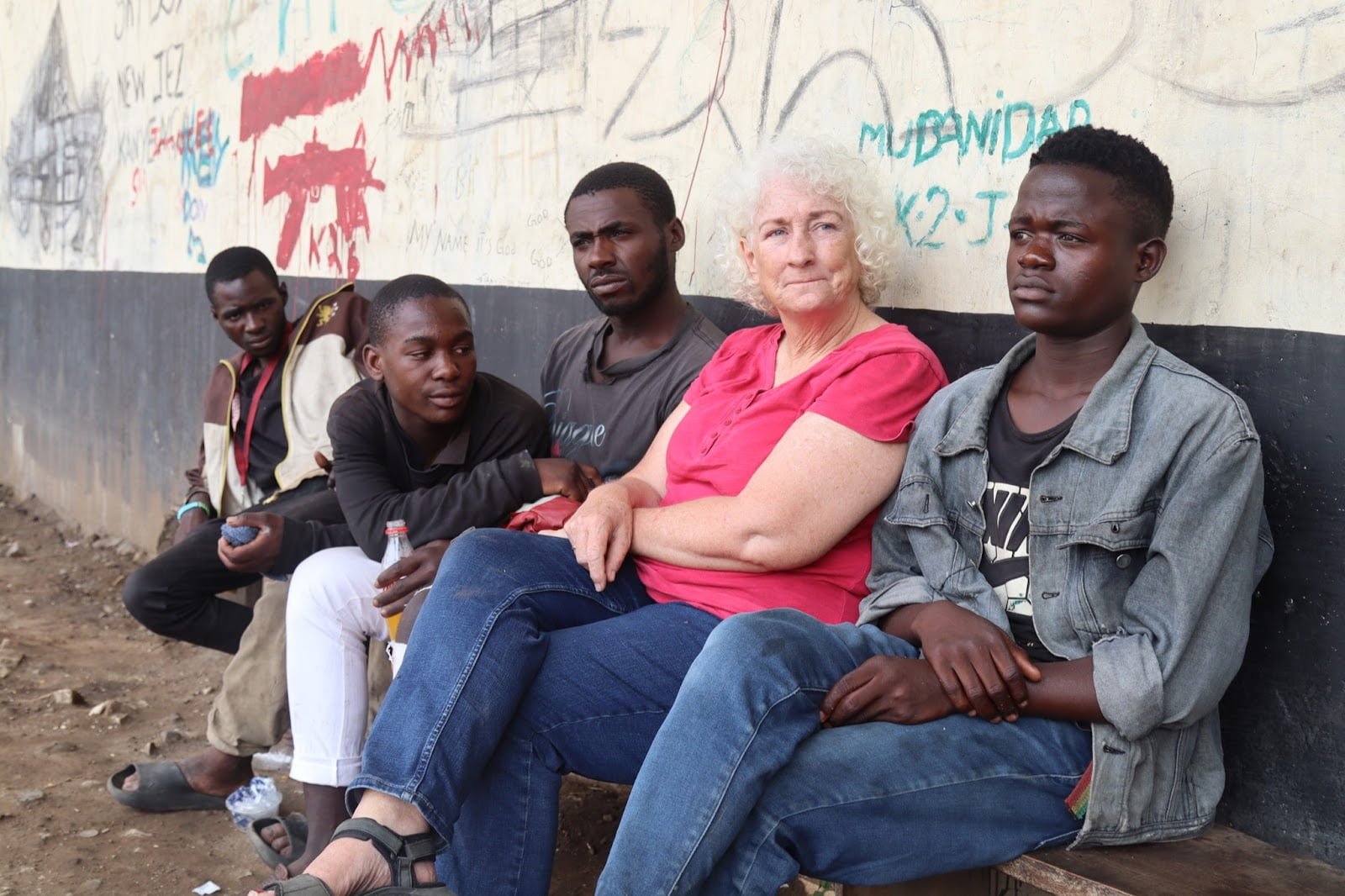
Carol McBrady, known around Zambia’s capital Lusaka as ‘Mama Carol,’ has dedicated her life to rescuing street children and helping them get a better future.

Establishing meaningful partnerships is key to empowering women and indigenous communities. Find out how Asia Pulp and Paper is creating positive change.

Guide to buying conflict-free and ethical diamonds: We examine just what constitutes “ethical” when sourcing items of jewelry, and diamonds in particular.