
Recycling in the UK: Facts, Figures, Issues, and Initiatives
In this article, we explore the state of recycling in the UK, issues the country is facing in its waste management efforts, and various positive initiatives.
sustainability • ethics • climate • waste • renewables • ecology • poverty • equality
The Waste section examines how societies produce, manage, and rethink the materials we discard. Here you’ll find stories on circular economy models, recycling realities, plastic pollution, food waste, and the innovations — small and large — that aim to reduce our collective footprint.
We look beyond simple solutions to uncover the economic, cultural, and policy dynamics that shape global waste systems. This category offers practical insight and critical context for anyone interested in transforming a throwaway culture into one where resources are valued and cycles are closed.
In this article, we explore the state of recycling in the UK, issues the country is facing in its waste management efforts, and various positive initiatives.

In this article, we delve into the importance of sustainable practices and the role of glass recycling in addressing the challenges posed by climate change.

A discussion of the Green Revolution, with a focus on minimizing E-waste, and why this global issue requires a concerted effort to address in the Digital Age.

A look at the eco-friendly initiatives and practices implemented for Hajj 2023, showing how a spiritual journey can be aligned with environmental stewardship.

We explore the role of design in a circular economy from a regenerative and social perspective, and discuss how designers can contribute to a more just future.

We take a closer look at what happens to garbage, and why it might not be taken to landfill, as seen through this tour of a local garbage-burning facility.

The Fourth Industrial Revolution reflects humanities efforts to harmonize the environment and society with digital technology. We discuss some of the details.

We take a look at digital sustainability, with solutions and technology that historically caused environmental problems now becoming part of the solution.

The biomedical waste management practices that we have in place today are not sustainable in the long term. We look at the current situation and future plans.
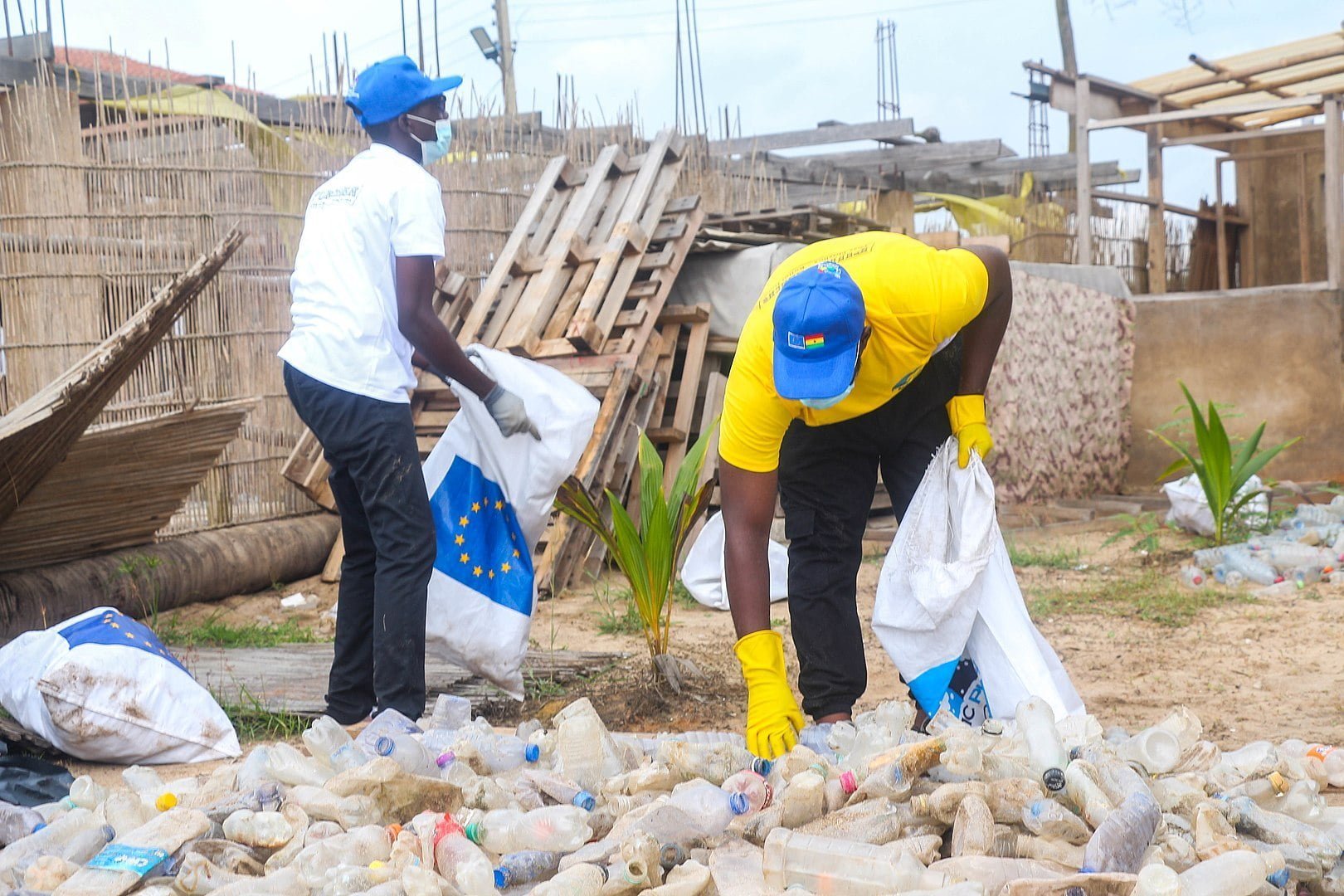
We explore some deeper aspects of the plastic waste dilemma, including the global impact of China’s National Sword Policy and how nations have responded.

We look at sustainability best practices for today’s large facilities, such as office buildings, hospitals, manufacturing plants, and others.
Where are microplastics found? And where does it all come from? We dig a little deeper, and look at the dilemma faced by countries the world over.

An introduction to microplastics, the prevalence and the harm they are causing all around the world, in environments, in wildlife, and inside all of us.
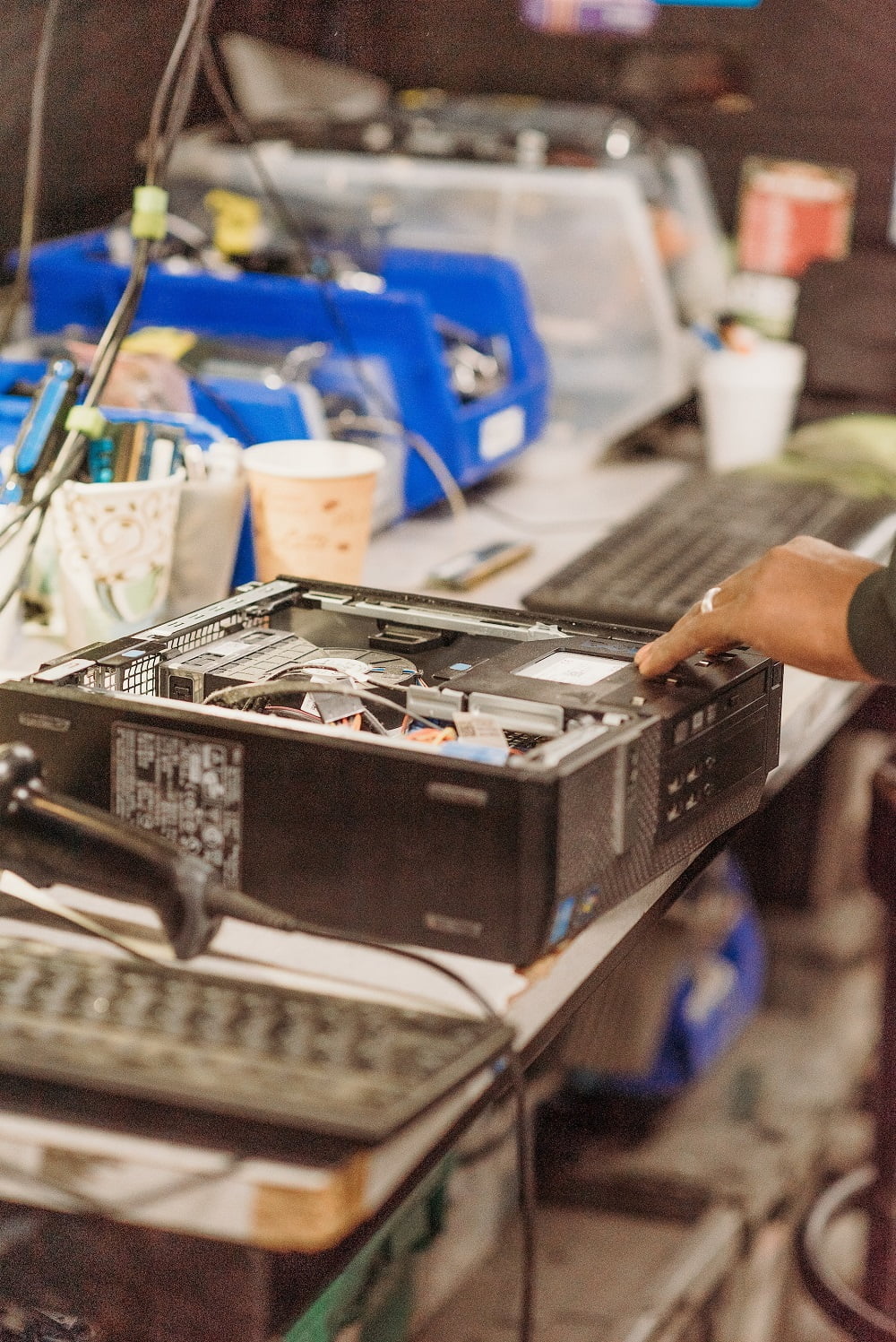
The more people get involved in environmentally friendly practices, the easier it will be to solve the e-waste problem and other issues we face today.

SOUR, an ethical design studio, just launched a new interactive online test tool on behavior around individual and corporate waste patterns and management.

In an attempt to help address the Ghost Net problem, Tangle is recycling end-of-life fishing nets into new, long-lasting pet products, and sustainable dog leads.

With these tips for planning a sustainable beach trip, you can do your part to protect this essential part of our natural environment for generations to come.
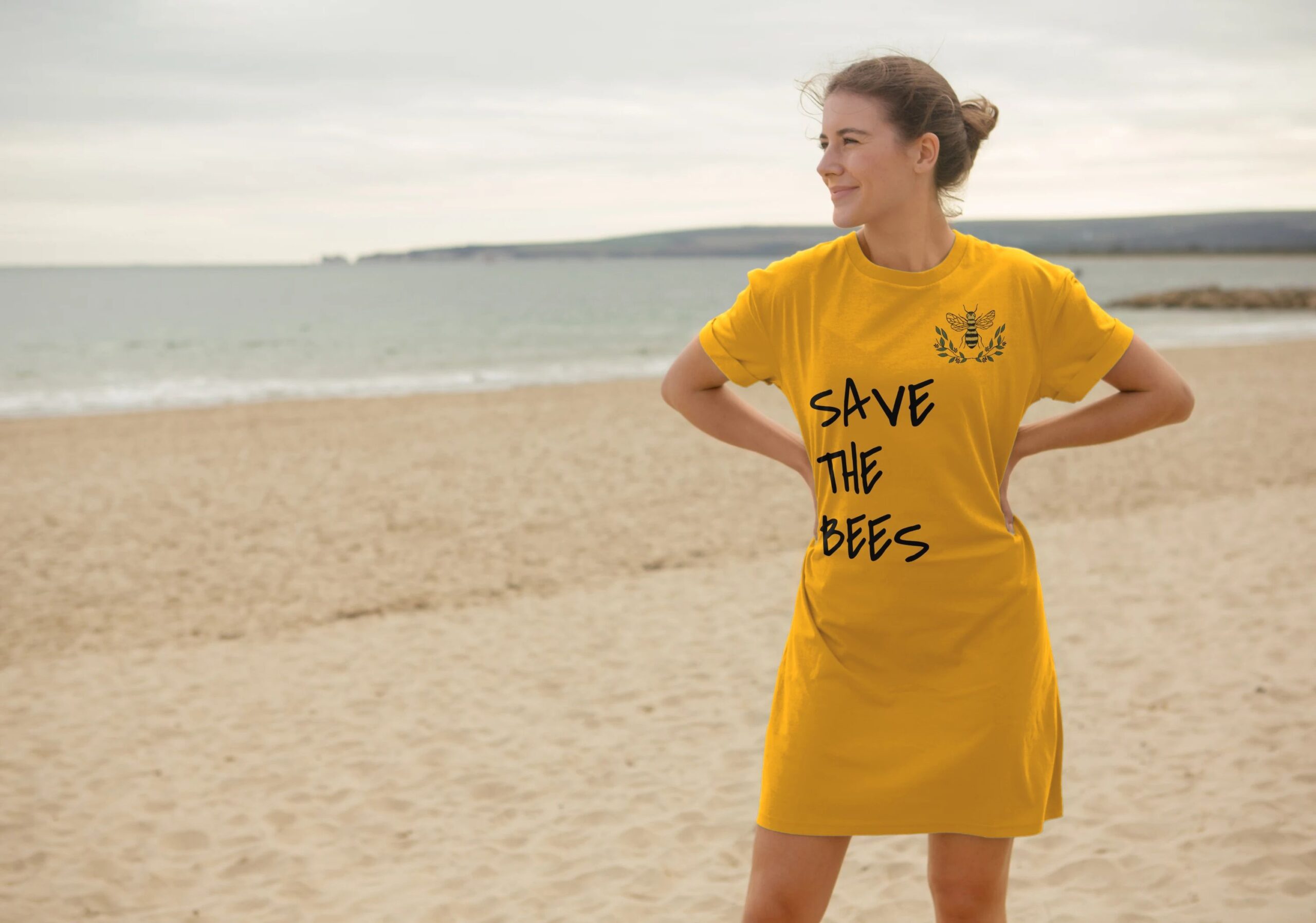
The story of an everyday t-shirt doesn’t have to be a bleak one, we can change this story, we can make it the story of a sustainable t-shirt.

The Lithium Fever: What Is the Price of Europe Going Green?

Preventing pollution and improving public health are only some of the benefits of global recycling. It also creates employment, saves money, and reduces waste.

Here are some eco-friendly things you can do to reduce e-waste, reduce your carbon footprint, and reduce the number of electronic devices being made.

It can be the most wasteful day of our lives. Here’s how we’re planning a (nearly) zero waste wedding—and coping with whatever judgements come our way.

Many consumers have experienced the bandwagon effect on Apple products, associating the brand with quality, innovation, universality, and fun.

This article will discuss the negative effects of e-waste and how younger generations can be more proactive about minimizing those effects.
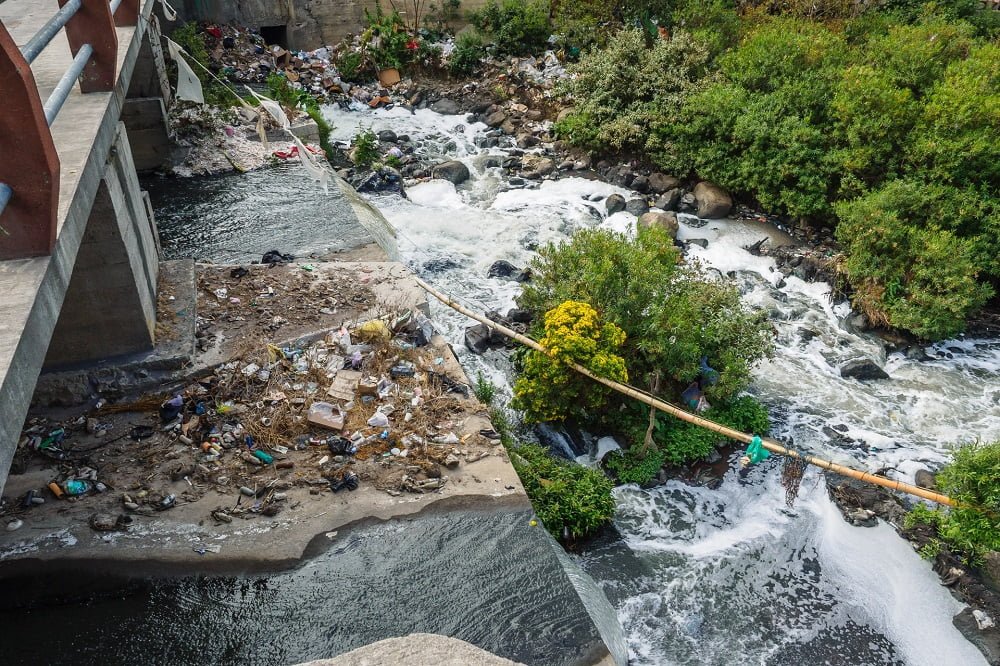
We are living in a toxic world, and there are many things that we, and those in power, should be doing.

It’s can be a wonderful time of the year, filled with celebration and merriness. Unfortunately, it’s also a time of trash.

It’s the most wonderful time of the year, but lurking behind the magic is an unsettling reality that perpetually taints the joy of Christmas: overconsumption.
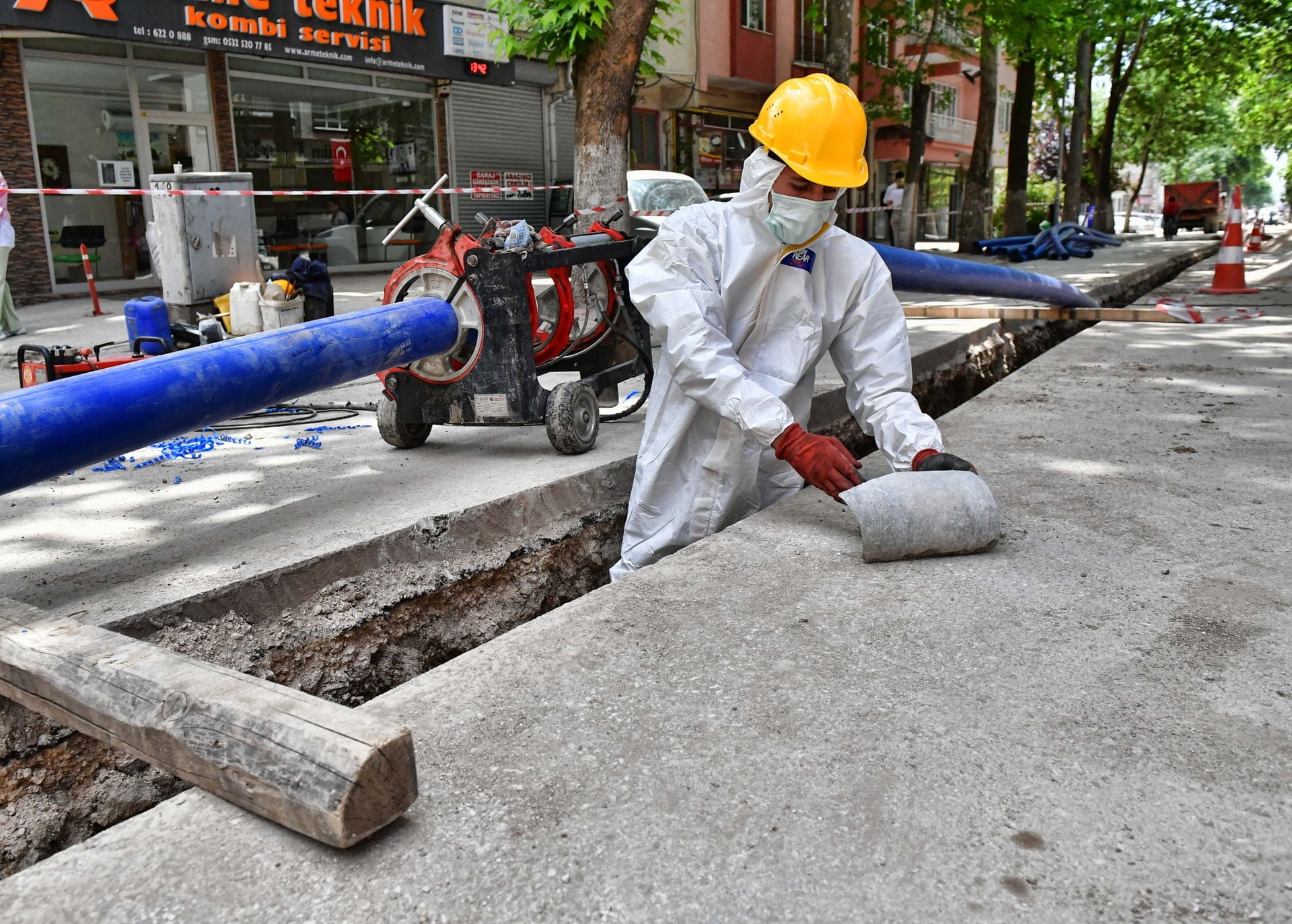
Exposure to asbestos can cause multiple negative health effects, but asbestos can also pollute the air, water, soil, and settle on different objects.

Green Halloween Guide: It is almost upon us, from pumpkin carving to trick-or-treating, yet amidst all the fun is a scary reality: waste, waste and more waste!

How this food waste solution captured a country’s imagination and continues to spread across the globe

Sustainable shaving not only reduces waste and helps support small businesses, but it also saves you money and let’s face it, it just feels more luxurious!

Tips for a Plastic-Free Home: If you’re looking for a great place to start, swap out these 11 household items for a more sustainable alternative.

A personal essay on the difficulty of trying to live in an environmentally progressive way, accepting imperfection, without losing all hope.

Banana, pineapple, and coconut might make you think of a fruit salad; yet all three plants are now being used to make durable and sustainable fabrics.

It’s important to educate people on the negative effect of excessive light and what they can do to reduce energy consumption and preserve the darkness of the night sky.

Although some people may be intimidated by the zero waste movement and its restrictions, those of us who aren’t able to ‘go zero’ can also do their part.