
Biofuels: Environmental Pros and Cons
Biofuels can cut fossil fuel use, but their environmental impact depends on land, feedstocks, and scale. Here are the key pros and cons.
sustainability • ethics • climate • waste • renewables • ecology • poverty • equality
Biofuels can cut fossil fuel use, but their environmental impact depends on land, feedstocks, and scale. Here are the key pros and cons.
A seasonal diet is a fundamental aspect of living sustainably, improving your health, supporting the local economy and promoting environmental well-being. However, you might face specific challenges in enjoying one when local harvests end or aren’t accessible. Thankfully, practical strategies can help you enjoy seasonal foods year-round, even when local produce is scarce. Following these … Read more

You’ve probably felt its absence without knowing just what was missing. Dinner used to mean something — a table, shared plates, conversations that stretched longer than the meal itself. Now, it’s often a container in one hand and a phone in the other, eaten between tasks or in separate rooms. Family dinner statistics show that … Read more

Create a more personal, less wasteful home by buying less, displaying what matters, and choosing decor you will want to keep.

The best gifts for makers are the ones that get used for years, not admired for a week and forgotten in a drawer.
Better storage can help households use what they already own, avoid unnecessary buying, and make existing homes work harder with less waste.

Learn simple ways to make your garden pond more eco-friendly with better water care, healthier oxygen levels, and more wildlife-friendly design.

How a better-organized garage can support safer storage, easier repairs, and longer-lasting vehicles, tools, and household equipment.

Everyday products and habits can leave skin dry, irritated, or uncomfortable. Here’s how soaps, fabrics, and friction may play a role.

The greenest office chair may already exist. Why durability, reuse, and thoughtful restoration often beat buying new.

Many greeting cards are designed for a very short life. Why materials, waste, and plantable alternatives deserve more attention.

A closer look at the environmental impact of home saunas, from electricity and materials to durability, maintenance, and whether long-term use justifies the footprint.

Labs consume large amounts of energy and generate waste streams that cannot simply be dropped into ordinary recycling systems.

Custom apparel is often treated as disposable merch, but small runs, better fibres, and long-term use can change the waste equation.

Sustainable signage is less about green slogans and more about durability, waste prevention, careful materials, and honest environmental claims.

Better sleep often starts with a cooler, darker, less distracting bedroom, not a pile of wellness products. Here’s the lower-waste way to rest better.

A petrol moped is not guilt-free, but for some short trips it can be a lower-impact choice than driving a larger car. Here is the honest trade-off.

GPS trackers for older adults can help in the right circumstances, but the real test is dignity, reliability, and whether the tech solves a real problem.

Shipping waste is not just about cardboard. Smarter fit, reuse, and freight design can cut waste, but durable cases only help when the system does.

A lower-waste room refresh starts with restraint. Decorative wall panels can help in some cases, but sustainability depends on materials, durability, and avoiding needless rip-outs.

Sustainable gifts are not about buying greener stuff. They are about durability, restraint, repair, and avoiding waste disguised as thoughtfulness.

How food service can reduce packaging waste with better materials, clearer procurement, and more realistic thinking about compostables and reuse.

Phishing wastes time, money, storage, and trust. Here’s how better email security fits into a lower-friction, more resilient digital workplace.

Medieval-inspired decor is not inherently sustainable. Here is how to borrow the look with less waste, better materials, and more honesty.

Cutting waste in construction is not just about materials. Smarter maintenance, repair, and sourcing can keep machines working longer and reduce costly downtime.

Safer playgrounds depend on more than soft surfacing. A reader-first look at shade, drainage, maintenance, accessibility, and material trade-offs.

Seasonal decorating does not have to mean seasonal waste. Here is how to build lower-waste traditions with reuse, restraint, and durable design.

Digital business is not weightless. Here’s how smarter deployments, leaner sites, better demos, and longer-lived hardware can cut hidden waste.

From citrus waste to single-use barware and straws, here’s how to make cocktails more sustainable without draining the pleasure from the glass.

Raw data does not train useful AI on its own. Here is how teams turn messy inputs into structured, validated, AI-ready training datasets.
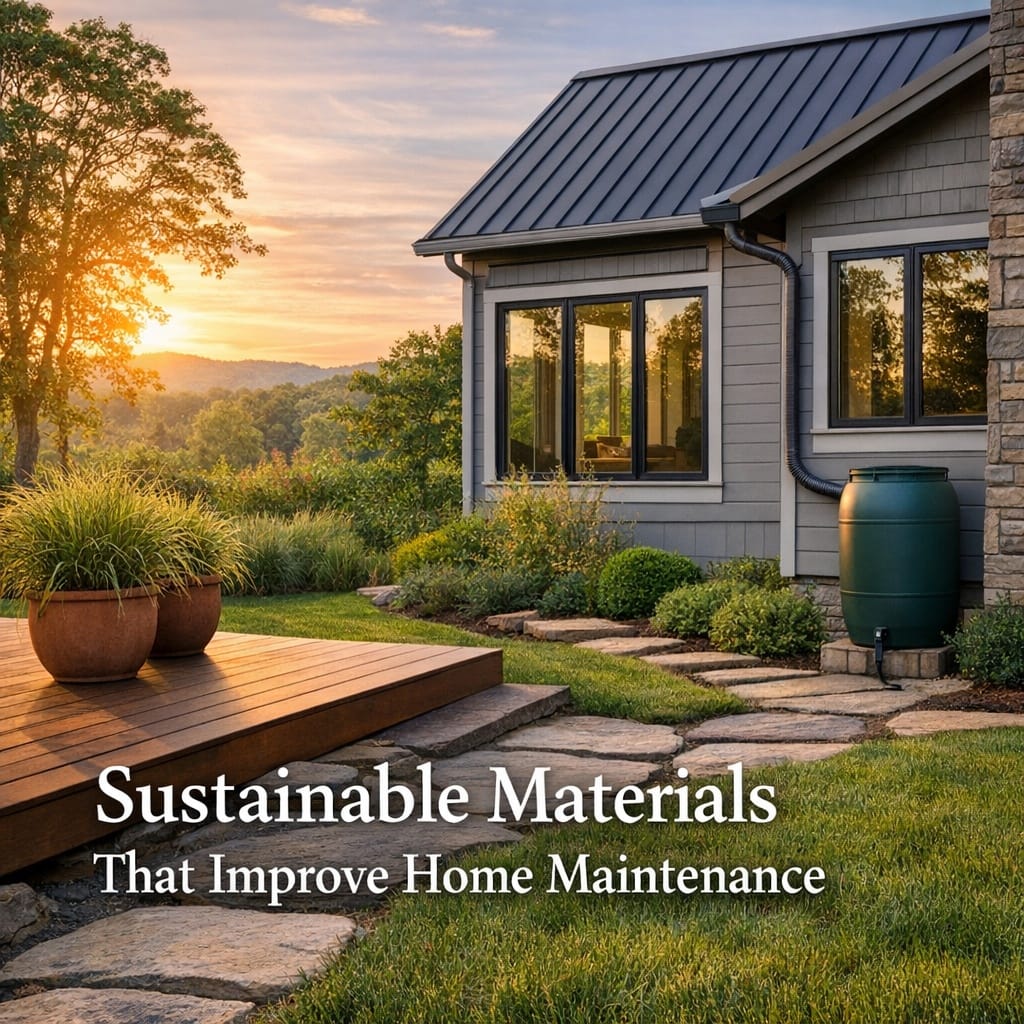
Sustainable home materials can reduce repairs, waste, and upkeep. Here’s how to choose durable options that hold up over time.

Properly handling hazardous household waste is a critical part of responsible home ownership and environmental stewardship.

Moving house can create a surprising burst of waste. Here’s how to cut the clutter, damage, packaging, and replacement purchases.

Sustainable home protection goes beyond locks and alarms to include moisture control, air quality, durable materials, and lower-waste prevention.

Rethinking healthcare waste means looking beyond bins and disposal, toward fragmented care, medical devices, facility design, and more efficient long-term systems.

Sustainable beauty is more than “clean” branding. Here’s what matters: packaging, ingredients, microplastics, refill systems, and greenwashing.