
Environmental Goals for Companies: Panel Discussion Notes
A recent panel discussion focused on how companies can advance sustainability and environmental goals. We look at some of the key takeaways.
sustainability • ethics • climate • waste • renewables • ecology • poverty • equality
Sustainability sits at the heart of Unsustainable Magazine. This section brings together stories that explore how people, communities, and ecosystems adapt to a world in rapid transition. Here you’ll find reporting and reflections on climate change, ecological resilience, waste systems, energy futures, and the everyday choices that shape our collective impact.
Our aim isn’t just to document environmental challenges, but to examine how they intersect with justice, inequality, and lived experience. From new research on carbon emissions to local efforts to restore biodiversity, these articles connect the global and the personal, the structural and the immediate.
Whether you’re looking for clear explanations, in-depth analysis, or grounded ideas for creating change, the Sustainability category offers a wide-ranging view of the forces reshaping our planet — and the possibilities that still remain.
A recent panel discussion focused on how companies can advance sustainability and environmental goals. We look at some of the key takeaways.
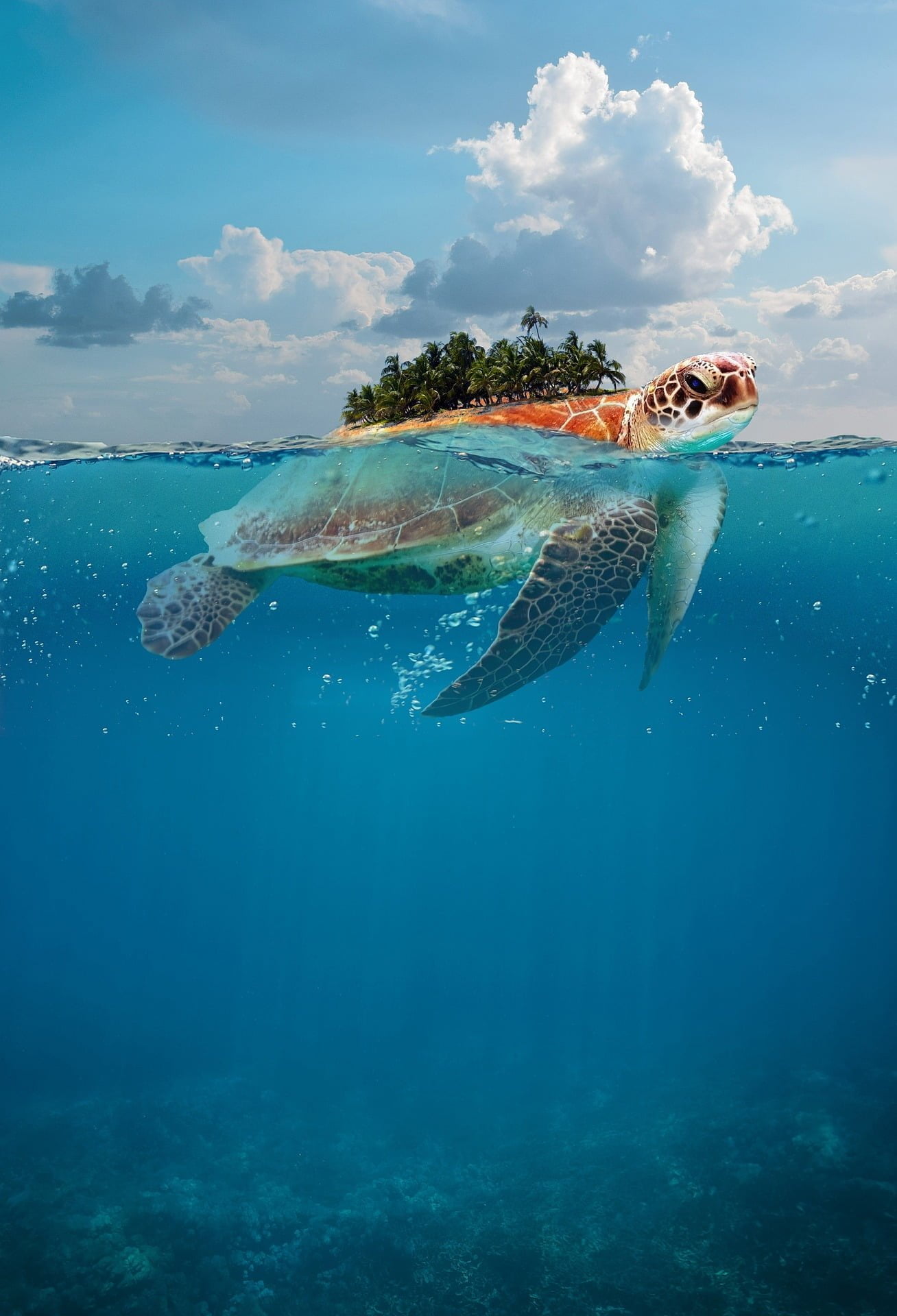
The Fourth Industrial Revolution reflects humanities efforts to harmonize the environment and society with digital technology. We discuss some of the details.

We take a look at digital sustainability, with solutions and technology that historically caused environmental problems now becoming part of the solution.

Technology can accelerate habitat loss and pollution—or enable monitoring and protection. A practical look at drivers, risks, and leadership.

This article explores our deep-seated connection with the natural world, and why a regular dose of dirt is fundamental to our health and well-being,

The biomedical waste management practices that we have in place today are not sustainable in the long term. We look at the current situation and future plans.

Ice Stupas, glaciers created by people, enable storage of the winter water surplus in proximity to the villages to be utilised in the dry early summer months.
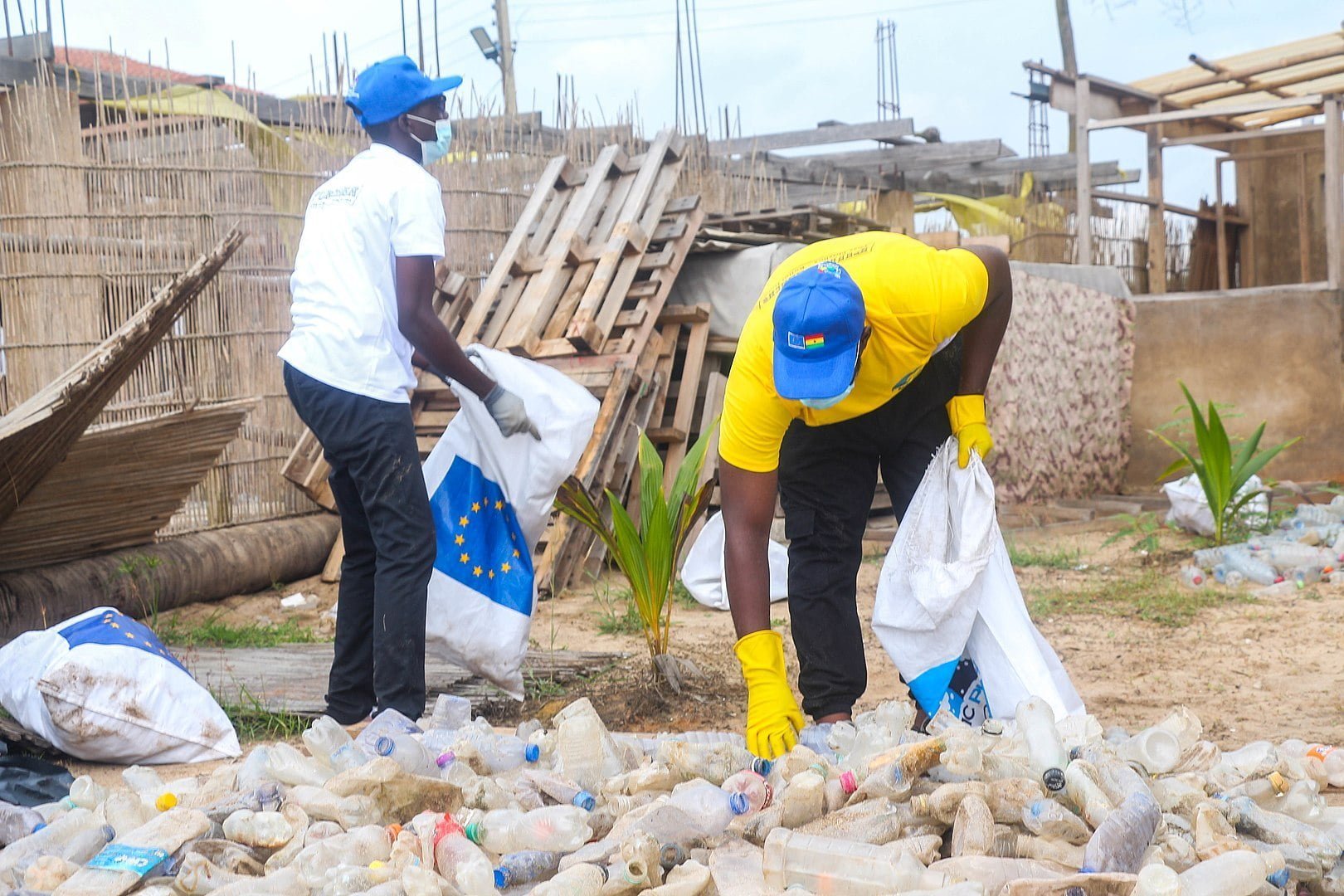
We explore some deeper aspects of the plastic waste dilemma, including the global impact of China’s National Sword Policy and how nations have responded.

Creating sustainable farmland requires an overhaul of modern agricultural thinking, but with some work we can become better farmers and environmental stewards.
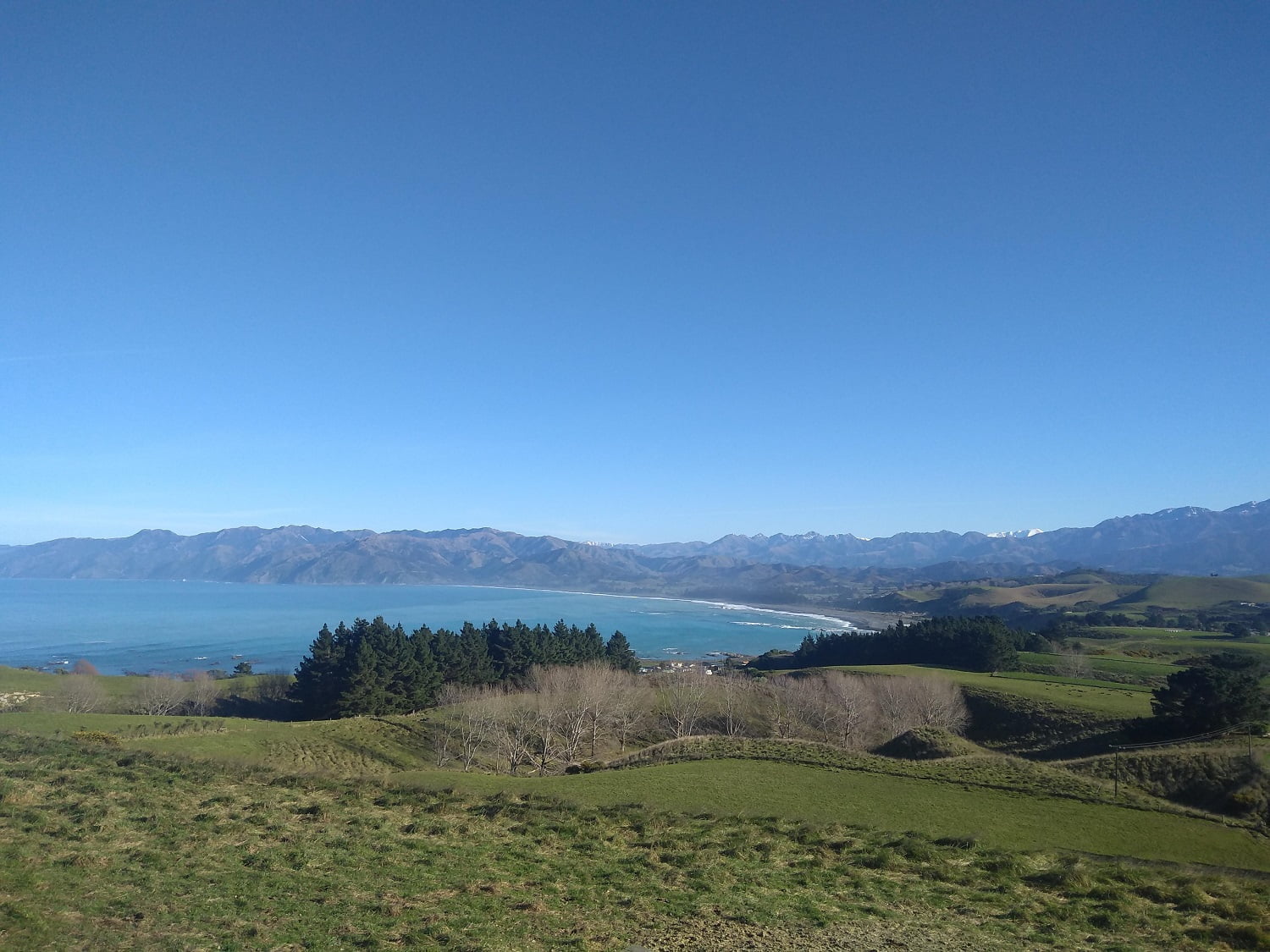
Farming is a significant contributor to global warming, but these practices can improve agricultural sustainability and reduce the need for new farmland.

We explore the rise of environmental elitism, the inaccessibility of sustainable living, and how we can change the climate narrative so nobody is left behind.
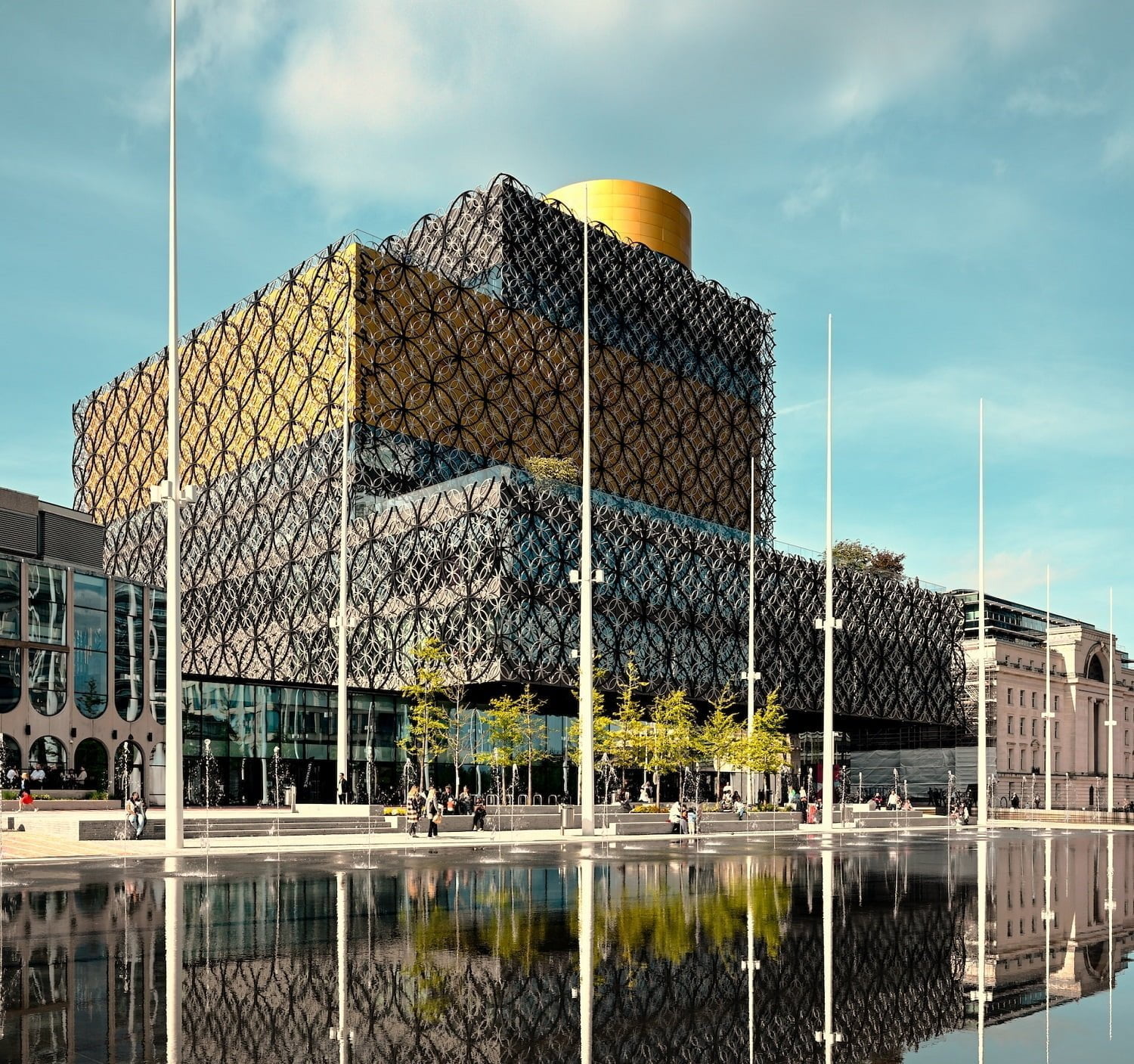
We look at sustainability best practices for today’s large facilities, such as office buildings, hospitals, manufacturing plants, and others.
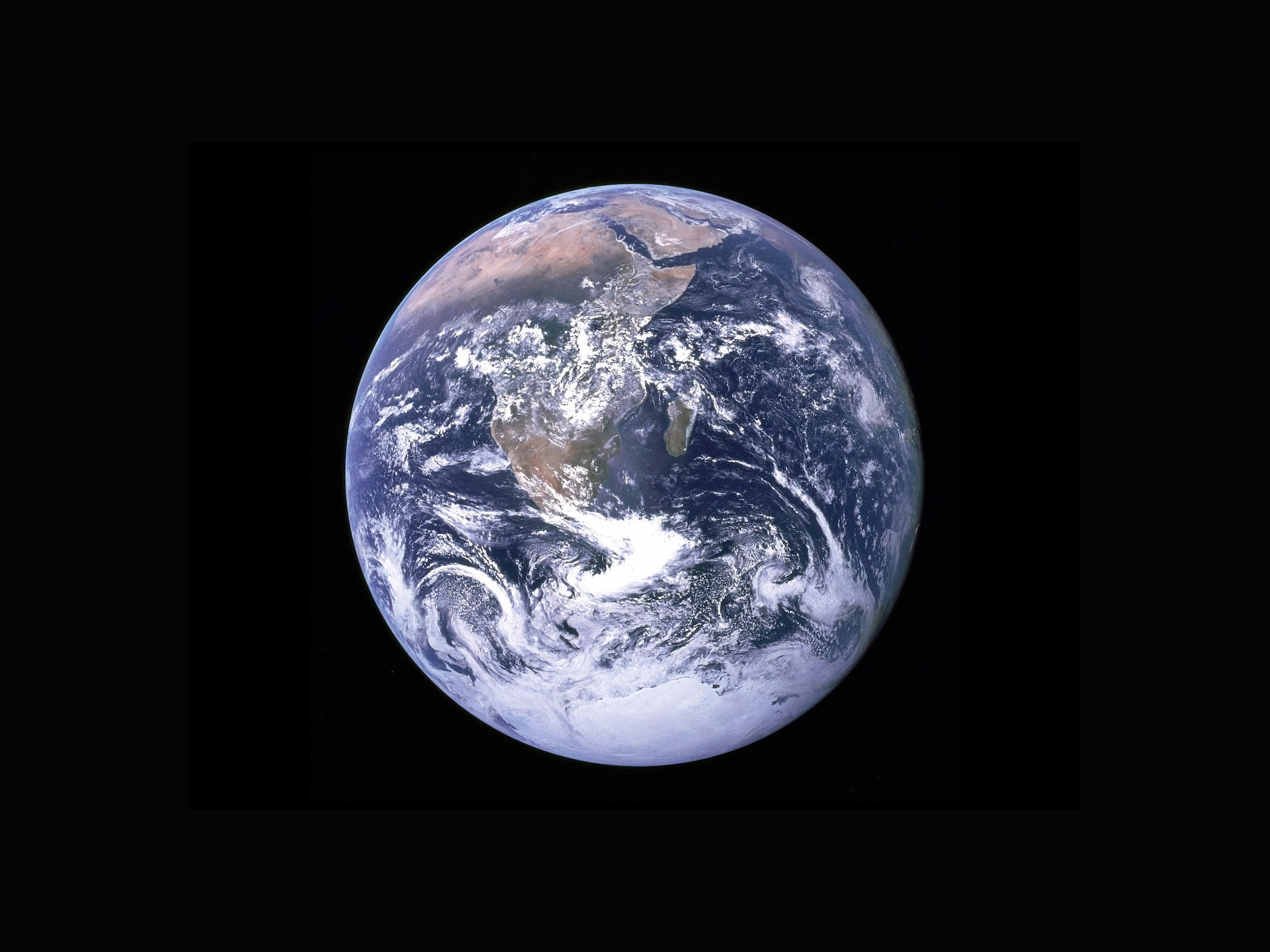
Where are microplastics found? And where does it all come from? We dig a little deeper, and look at the dilemma faced by countries the world over.
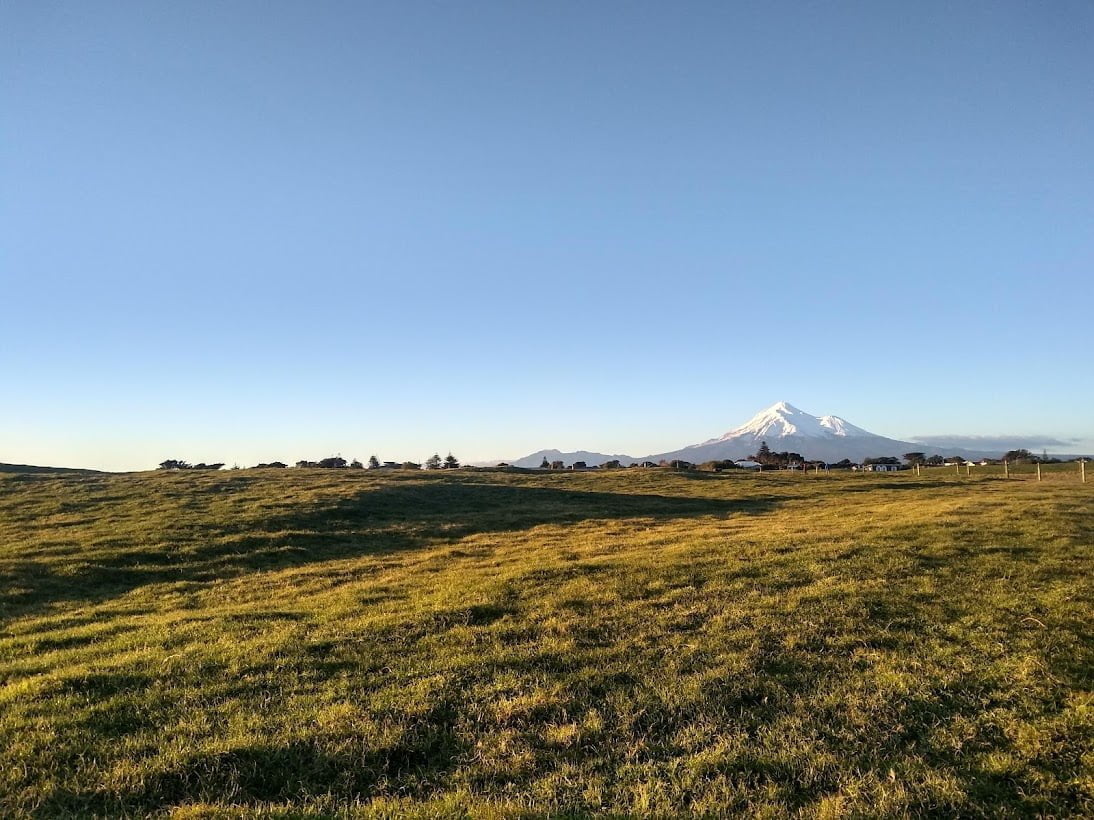
The three pillars of sustainability — environmental, social and economic — offer practical solutions to improve conditions here on Earth.
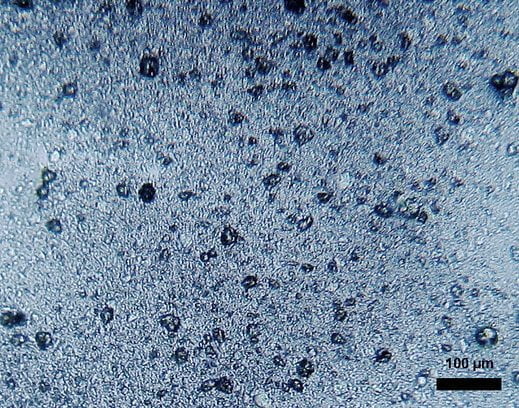
An introduction to microplastics, the prevalence and the harm they are causing all around the world, in environments, in wildlife, and inside all of us.
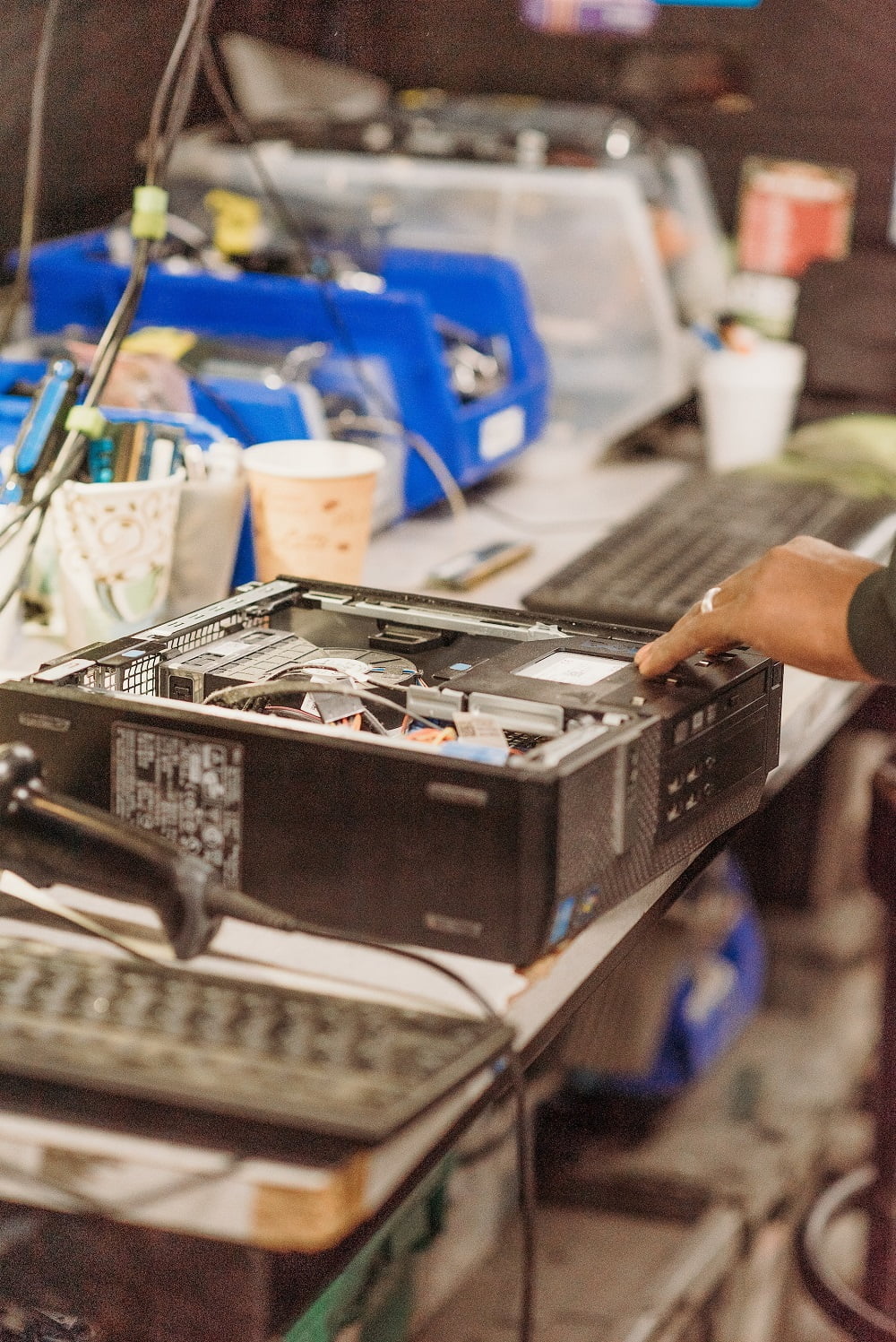
The more people get involved in environmentally friendly practices, the easier it will be to solve the e-waste problem and other issues we face today.

We look at the focus of this year’s climate summit, COP27: Adaptation projects for emerging countries, sustainable transport solutions, and methane emissions.

SOUR, an ethical design studio, just launched a new interactive online test tool on behavior around individual and corporate waste patterns and management.

Considering the ethical comparison of train vs plane, and other types of travel, Jane Cahane reviews the pros and cons of alternatives to cheap flights.

We Discuss the Prevalence of Regenerative Agriculture in Countries Around the World, including Statistics, History, Definitions, and the Future.

We look at Greenwashing. As global warming continues amidst an energy crisis, the terminology has never been more important to understand – and avoid.

With microalgae as a prospective game-changer in biomass, it could lead to the circular economy we need to obtain carbon neutrality.
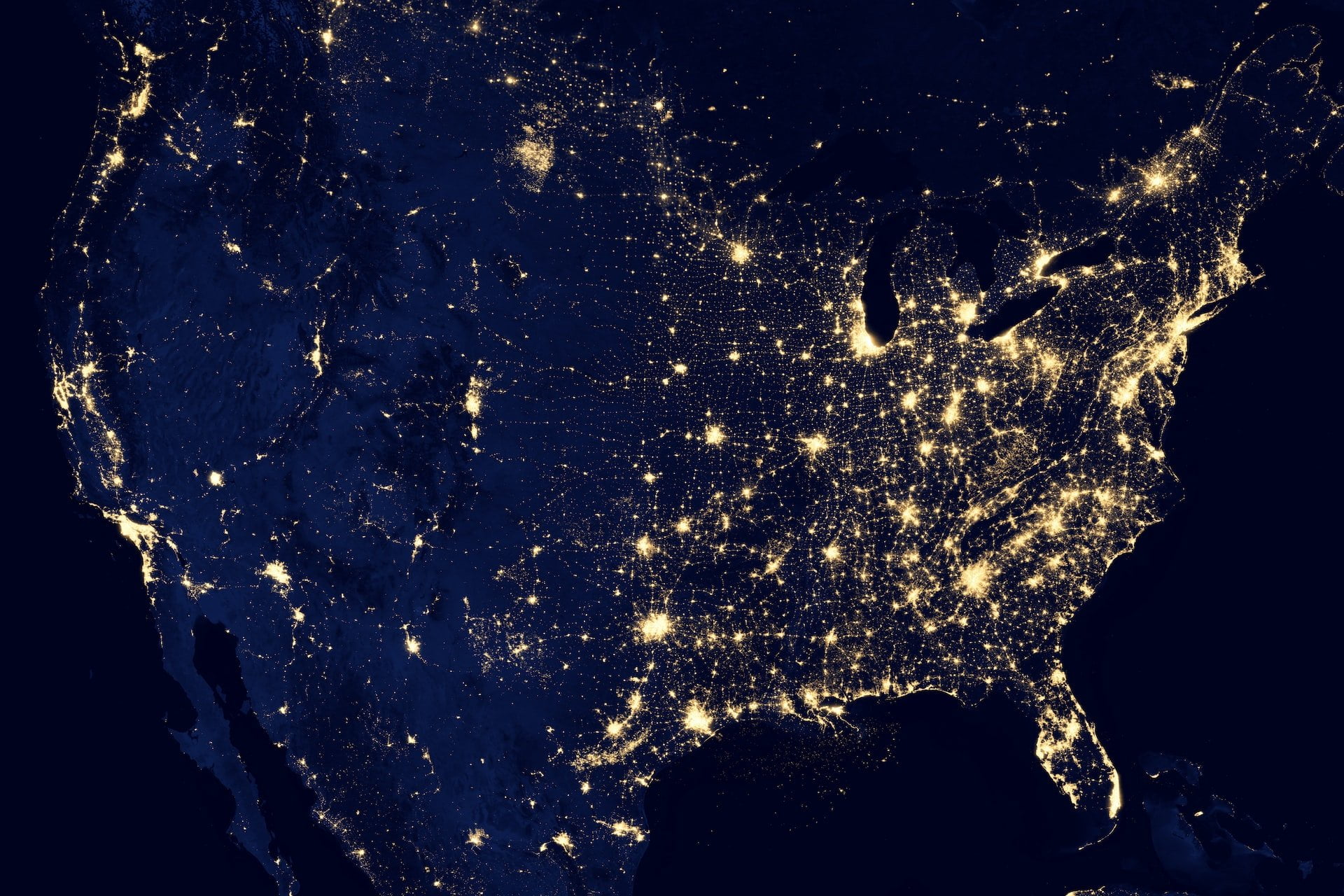
While science delivered warnings on the dangers of climate change, Americans have had differing opinions on how big of a threat it poses. That tide is changing.

The Power of Natural Irrigation: We explore 4 methods to use rainwater irrigation to help create a Water-Conscious Garden in these times of unpredictability.

Water infrastructure has buckled under the pressure of recent heavy rainfalls, leaving around 150,000 residents without clean drinking water.

An examination of the production of solar cells, solar modules, and the incredibly futuristic assembly lines behind solar energy technology.

In an attempt to help address the Ghost Net problem, Tangle is recycling end-of-life fishing nets into new, long-lasting pet products, and sustainable dog leads.

This Report Examines the Most Dangerous and Safest Areas for Real Estate Ownsership and Investment, Including Maps
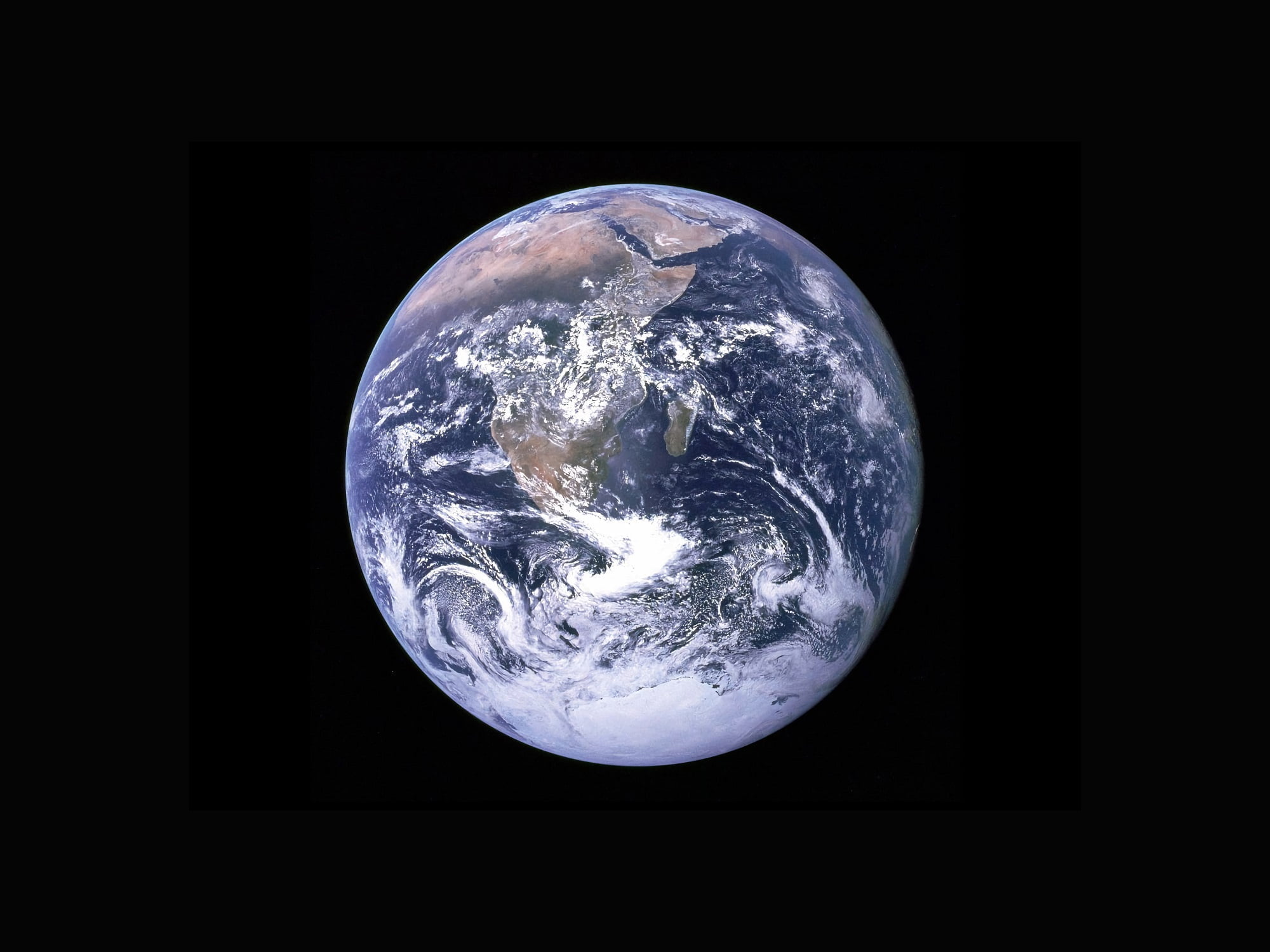
More and more people are looking to invest in green home renovations, recognizing the environmental advantages, and also the family health benefits.
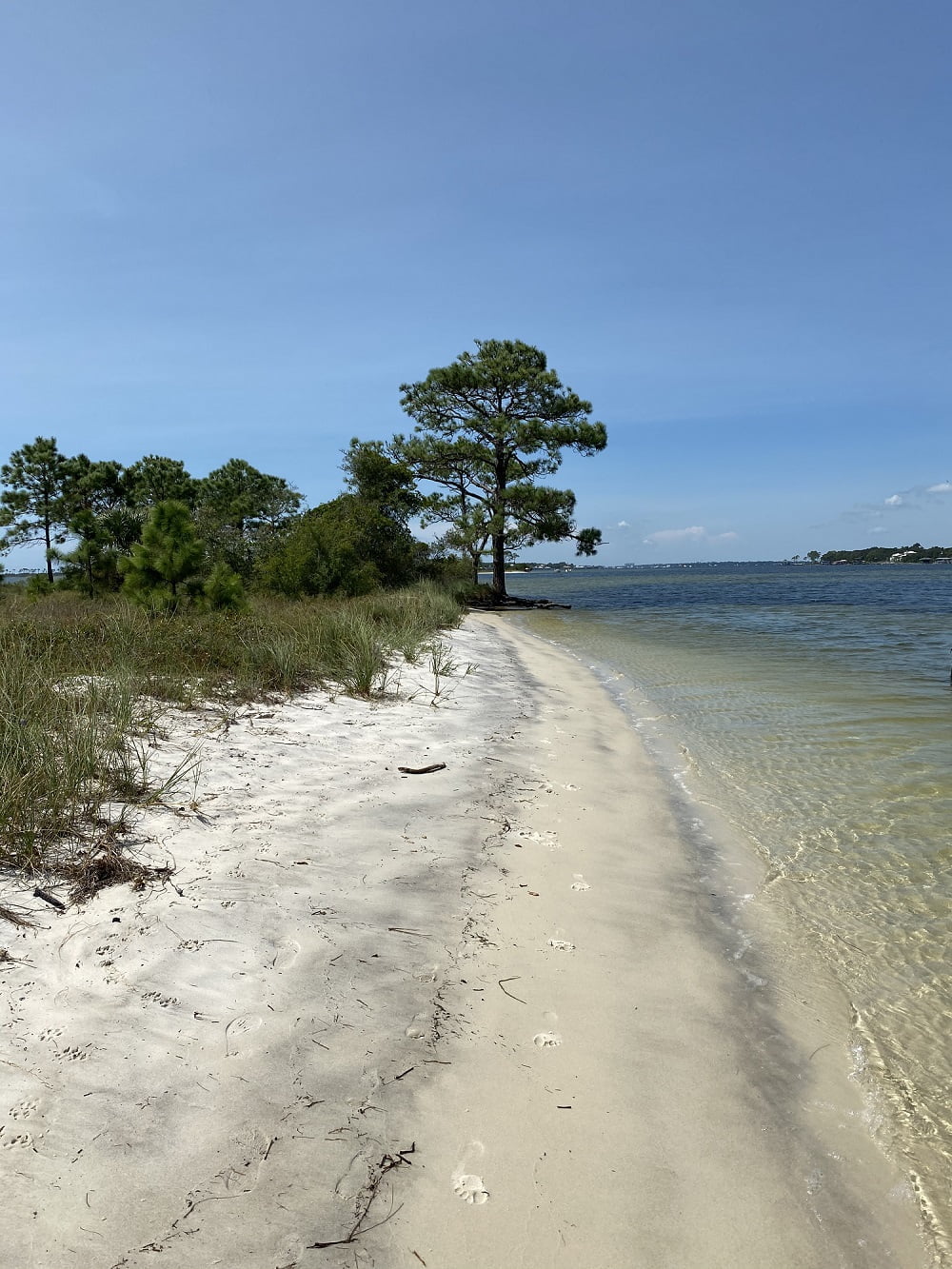
With these tips for planning a sustainable beach trip, you can do your part to protect this essential part of our natural environment for generations to come.
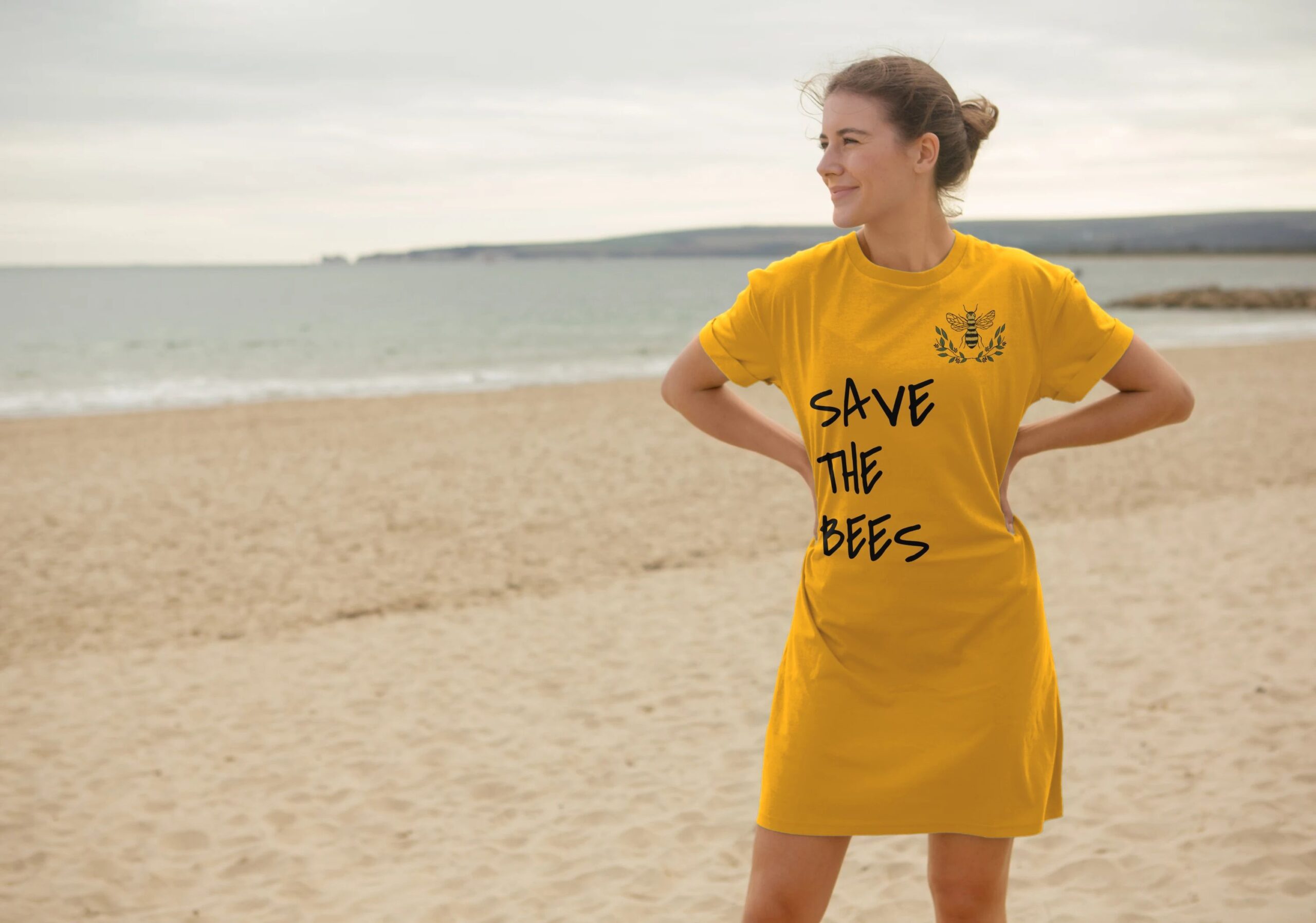
The story of an everyday t-shirt doesn’t have to be a bleak one, we can change this story, we can make it the story of a sustainable t-shirt.

Celebrity makeup artist Campbell Ritchie is proof that we don’t need to compromise our values, our skin’s health, or the planet to feel beautiful.
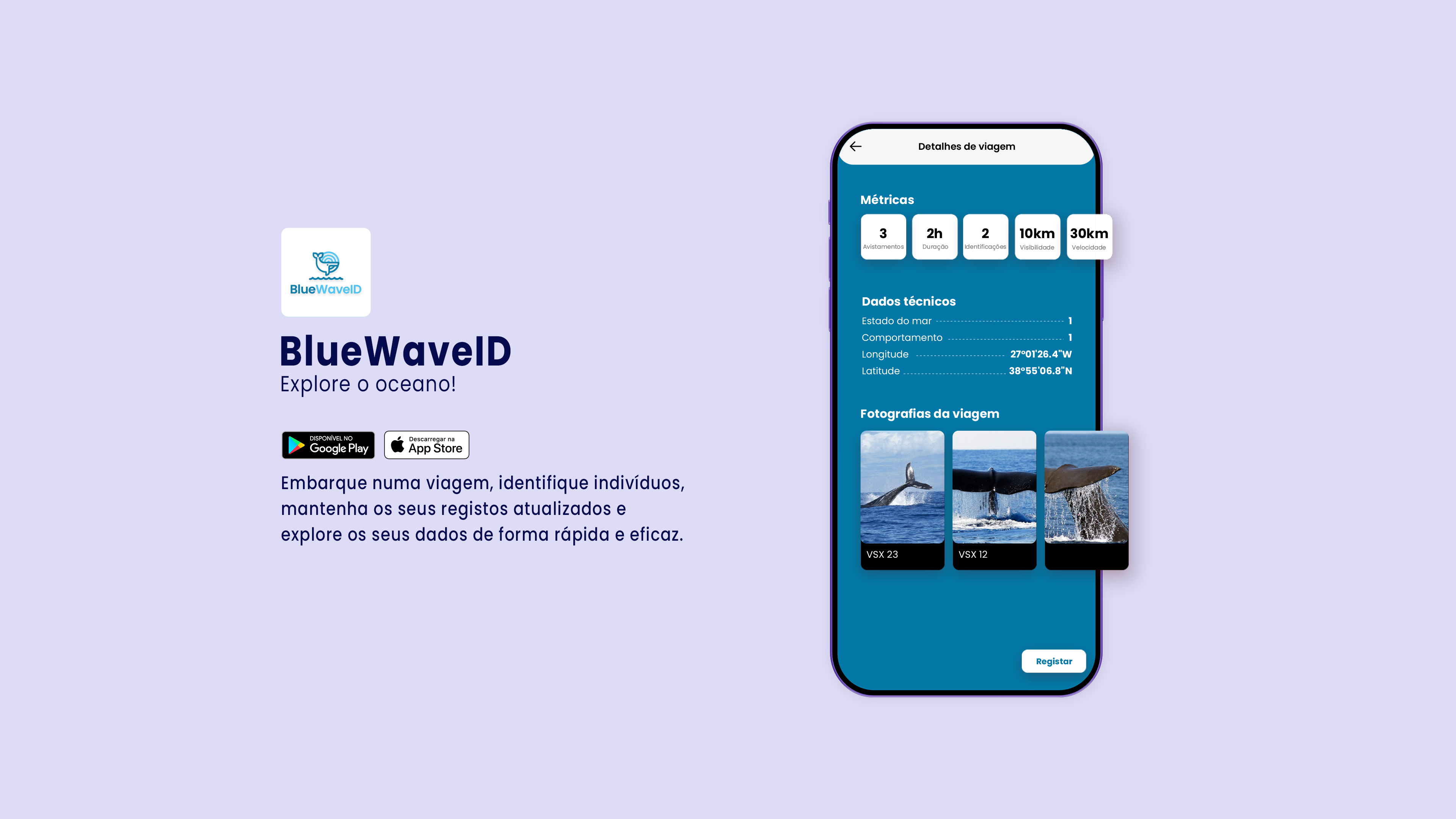
Called BlueWaveID, this app records and stores cetacean information, and allows the collection of data related to sightings in real-time through dynamic forms.

If you want to grow healthier fruits and vegetables, aid our rich agricultural heritage, and help maintain genetic diversity, what can you do? Save Seeds!

A Closer Look Into The Differences Between Conventional and Organic Cotton Production – On Society, Workers, and the Environment.

The Lithium Fever: What Is the Price of Europe Going Green?